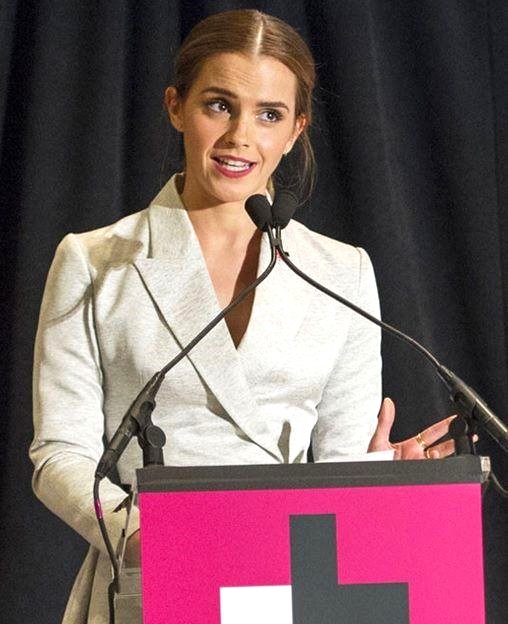
- Ashford Kimani reflects on Emma Watson’s message about self-identity, encouraging students, teachers and professionals to define their own lives through authenticity and purpose.
- Emma Watson’s words challenge individuals to define themselves rather than be shaped by society’s expectations.
- Self-awareness, authenticity and courage are the foundation of personal growth and lasting fulfillment.
- True success comes from living according to one’s values rather than seeking external validation.
“I don’t want other people to decide what I am. I want to decide that for myself.” — Emma Watson
In a world where people are constantly judged, labelled and defined by others, Emma Watson’s powerful statement offers a refreshing reminder of the importance of self-identity and personal agency.
The actress, activist and advocate for gender equality challenges us to reject the limitations imposed by society and embrace the freedom to define ourselves.
The quote may appear simple, but it contains a profound lesson: each individual has the right and responsibility to determine who they are.
Whether we are students, teachers, professionals, parents or leaders, our identities should not be dictated by other people’s opinions, expectations or stereotypes.
Instead, we should strive to become the authors of our own stories.
From childhood, people begin placing labels on us. Some are positive, while others are limiting.
A child may be labelled “bright,” “slow,” “quiet,” “troublesome,” or “gifted.”
As we grow older, society continues to categorize us based on academic performance, profession, social status, appearance, gender or background.
While labels may sometimes provide a sense of identity, they can also become cages that restrict personal growth.
Many people spend years trying to meet the expectations of parents, teachers, friends or society.
They pursue careers they do not love, suppress their talents or hide their authentic selves simply because they fear judgment.
Emma Watson’s quote reminds us that true fulfilment comes from self-definition rather than external validation.
When we allow others to decide who we are, we surrender control of our lives.
When we define ourselves, we reclaim our freedom.
Self-awareness comes first
Being the author of your own story begins with self-awareness.
Before deciding who we want to become, we must first understand who we are.
Self-awareness involves recognizing our strengths, weaknesses, values, passions and aspirations.
It requires honest reflection and a willingness to confront uncomfortable truths about ourselves.
This process is not always easy. It demands courage, humility and introspection.
People who understand themselves are less likely to be influenced by peer pressure, public opinion or temporary trends.
They possess an inner compass that guides their decisions.
They know what they stand for and are less likely to compromise their values for approval.
In an age dominated by social media, self-awareness has become even more important.
Many individuals compare their lives with carefully curated online images and seek validation through likes, shares and comments.
Yet genuine confidence cannot be measured by digital approval.
It grows from knowing who you are and remaining true to yourself.
Students must write their own stories
For students, Emma Watson’s message carries particular significance.
Too often, young people believe that examination grades define their worth.
A poor result can make a learner feel like a failure, while an excellent grade may become the sole source of self-esteem.
Academic achievement is important, but it is only one chapter in a person’s story.
Some of the world’s most successful innovators, entrepreneurs, artists and leaders experienced academic challenges at different stages of their lives.
Their success came not because others defined them but because they refused to accept limiting definitions.
Students should understand that they are more than their report cards.
Character, creativity, resilience, kindness and determination matter just as much as academic performance.
Every learner possesses unique gifts that deserve recognition and development.
The future belongs to those who believe they can shape their own destiny rather than allowing circumstances to define them.
Beyond titles and institutions
Emma Watson’s message also speaks to educators and leaders.
Many professionals become attached to titles, institutions and positions.
Some derive their entire identity from the organizations they serve.
Yet positions change, careers end and institutions evolve.
A teacher’s value should not depend solely on the prestige of the school where they work.
A leader’s worth should not be determined by the title they hold.
What truly matters is the impact they create, the lives they influence and the principles they uphold.
Great teachers inspire learners regardless of the school’s status.
Great leaders remain influential even after leaving office.
Their identity is rooted in purpose rather than position.
This perspective encourages professionals to focus on substance rather than labels.
It reminds us that lasting significance comes from character and contribution.
The courage to be different
Defining yourself often requires courage because it may involve challenging social norms and expectations.
People who choose unconventional paths frequently encounter criticism and resistance.
History is filled with individuals who dared to write their own stories.
They rejected society’s limitations and pursued their visions despite obstacles.
Their willingness to think independently enabled them to transform industries, communities and nations.
The same opportunity exists for every person today.
We may not all become world-famous figures, but we can choose authenticity over conformity.
We can make decisions based on our values rather than the expectations of others.
The pen is in your hands
Emma Watson’s statement is more than a personal declaration; it is an invitation to live intentionally and authentically.
It challenges us to reject labels, embrace self-awareness and take ownership of our identities.
The world will always have opinions about who we should be.
Family members, colleagues, friends and society may attempt to define us according to their expectations.
Yet our greatest responsibility is not to satisfy every expectation but to discover and become our true selves.
Ultimately, the most meaningful life is one that is consciously written rather than passively accepted.
Each of us holds the pen.
Each day presents a new page.
The question is whether we will allow others to write our story or whether we will have the courage to become its author.
The choice, as Emma Watson reminds us, belongs to us.
By Ashford Kimani
Ashford is a teacher of English and Literature who writes about education and social affairs.
You can also follow our social media pages on Twitter: Education News KE and Facebook: Education News Newspaper for timely updates.
>>> Click here to stay up-to-date with trending regional stories
>>> Click here to read more informed opinions on the country’s education landscape