- Teachers have raised concerns over delayed payments for national examination duties, warning that it could affect their willingness to take up assignments in 2026.
- Teachers have revealed that examination-related payments and reimbursements from the previous exercise were delayed, creating financial strain.
- KNEC has been urged to introduce a transparent payment schedule and efficient claims processing ahead of the 2026 examination season.
Teachers are raising fresh concerns over delayed payments for national examination duties, with some warning that last year’s experience could make them reluctant to participate in the 2026 examination exercise.
The concerns emerge as preparations for the national examinations enter a critical phase, with the Kenya National Examinations Council (KNEC) expected to deploy teachers to examination centres across the country. Teachers speaking on condition of anonymity say delays in receiving allowances and reimbursements after the previous examination exercise have dented morale and created uncertainty over this year’s assignments.
One teacher who took part in the previous examination exercise said transport to the examination centre was facilitated through transport credit, enabling the teacher to report for duty as required. However, after completing the assignment, the expected examination-related payment and reimbursement were not received as promptly as anticipated. The teacher said the delay turned what should have been a routine national assignment into a financial burden, particularly after incurring additional expenses while away from the regular workstation. The experience, the teacher said, has left some colleagues questioning whether to accept similar assignments in 2026 without clear assurances that payments will be made on time.
ALSO READ:
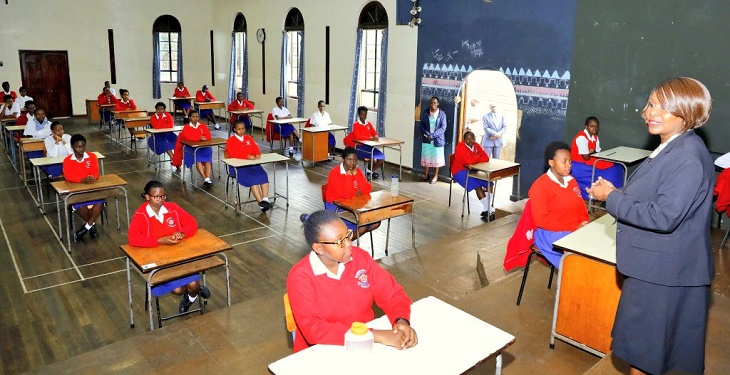
National examinations depend heavily on teachers, who serve as invigilators, supervisors, centre officials, examiners and in other roles essential to the successful administration of the exercise. The assignments can involve early reporting, long working hours and, depending on deployment, travel away from teachers’ normal stations, meaning some teachers incur transport, meals and other expenses before receiving examination-related allowances or reimbursements. When payments are delayed, teachers can find themselves financing official assignments from their personal resources while waiting for settlement, a situation that can create considerable financial pressure for those living on fixed monthly salaries.
The reported reluctance among some teachers has not been confirmed as an organised boycott, but it has been raised as an early concern ahead of the 2026 examinations. National examinations operate on strict schedules, and examination activities cannot easily be postponed because of personnel shortages, making the resolution of payment concerns before deployment a priority for education authorities.
ALSO READ: KNEC should adopt a balanced, needs-based system for sourcing exam personnel
KNEC and other agencies involved in examination administration face the task of addressing the payment concerns ahead of the 2026 examination season. Teachers have called for a transparent payment schedule, efficient processing of claims, prompt reimbursement and clear communication on payment procedures and settlement timelines, as well as an efficient mechanism through which delayed or disputed claims can be followed up and resolved.
By Hillary Muhalya
Get more stories from our website: Education News
To write to us or offer feedback, you can reach us at: editor@educationnews.co.ke
You can also follow our social media pages on Twitter: Education News KE and Facebook: Education News Newspaper for timely updates.
>> Click here to stay up-to-date with trending regional stories