- KNEC and TSC have been urged to adopt a balanced, needs-based framework for sourcing examination personnel that accounts for individual schools’ staffing levels.
- Recommendations have included teacher rotation, geographical balance, a central deployment database and earlier notice to schools to protect uninterrupted classroom learning.
The deployment of teachers to administer national examinations is an essential national responsibility, but it should not leave schools struggling to provide basic classroom instruction at a time when learners require their teachers most.
As preparations for the 2026 national examinations gather pace, the Teachers Service Commission (TSC) and the Kenya National Examinations Council (KNEC) face an important challenge: how to secure enough competent examination personnel without creating serious staffing gaps in the schools from which those teachers are drawn. The answer lies in a more balanced, transparent and needs-based system of sourcing teachers for examination duties.
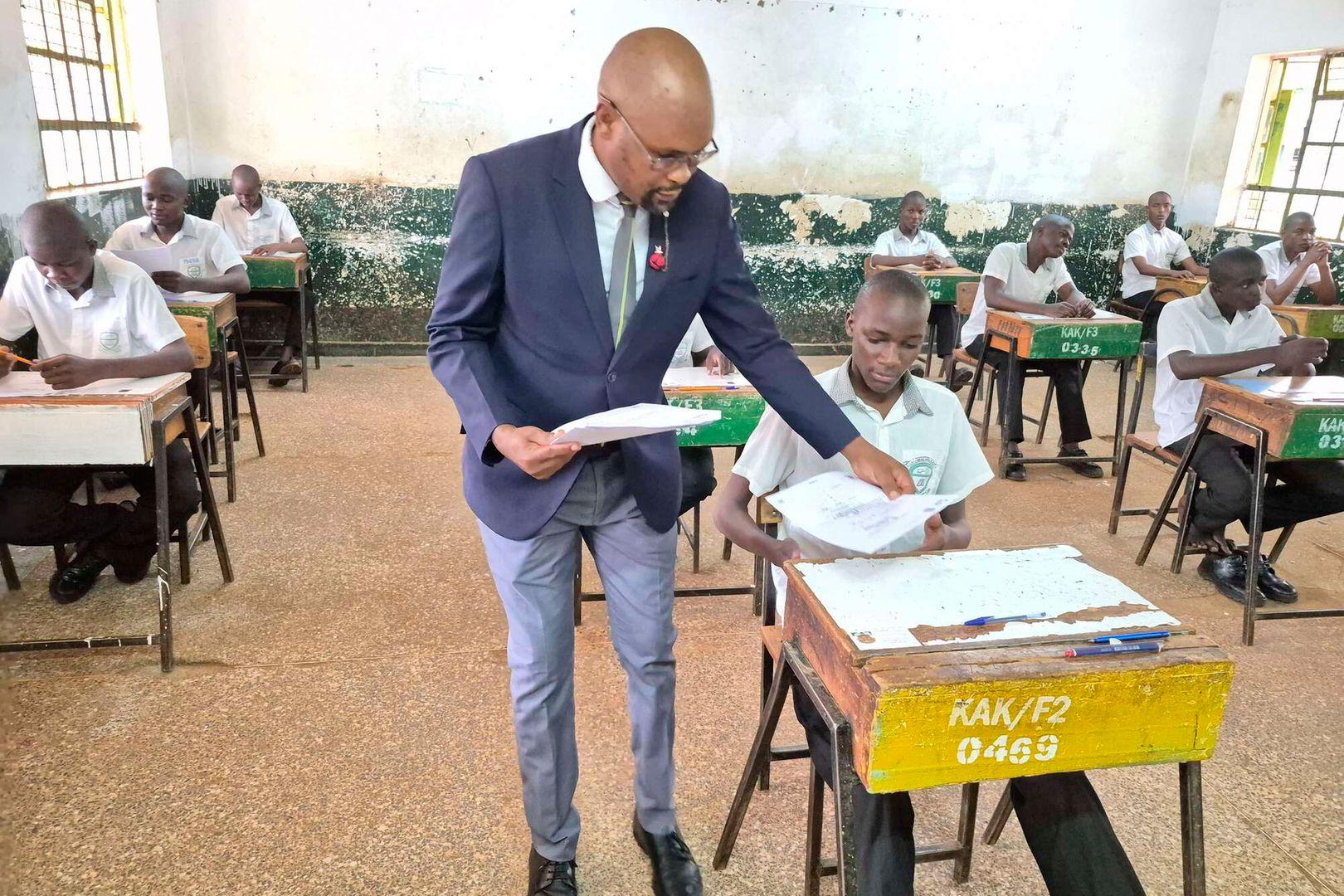
Teachers are central to the credibility of national examinations. Their work at examination centres ensures that candidates are supervised properly, examination materials are handled securely and the process is conducted according to established regulations. But those same teachers have responsibilities that do not disappear when they are deployed elsewhere.
ALSO READ:
TSC begins 2026 exam deployment as CP2 system enforces new teacher selection rules
Consider a secondary school with only one Chemistry teacher: as national examinations approach, the teacher is expected to prepare candidates for practical examinations, organising practical lessons, checking laboratory apparatus, preparing chemicals and experimental materials, and familiarising candidates with procedures they are likely to encounter. When the examination deployment notice arrives, and the teacher is selected to report to a KNEC examination centre, the school is left with a difficult question: who will prepare its Chemistry candidates for their practical examination?
The same dilemma can confront schools in Physics and Biology. A Physics teacher may be the only specialist available to organise practical work involving measuring instruments and electrical equipment, while a Biology teacher may be responsible for preparing specimens, microscopes, slides and other practical materials. When such a teacher is deployed, the school does not simply lose a person from its timetable; it may lose the only specialist capable of preparing an entire group of candidates for an important component of their examination. This illustrates why teacher deployment cannot be viewed purely as a matter of filling vacancies at examination centres.
There is also an institutional cost at the other end of the deployment. When several teachers leave one institution, lessons may have to be redistributed, classes combined and timetables altered, with remaining teachers required to take on additional lessons and larger classes. The burden becomes heavier in schools that already have staffing shortages. For a well-staffed school, the temporary absence of two or three teachers may be manageable; for a school operating below its staffing establishment, the same number could severely disrupt learning. Timing compounds the issue, since schools must complete the curriculum, conduct assessments, provide remedial instruction and prepare candidates for examinations during the same period, with science teachers in particular needing adequate time for practical preparation.
KUPPET threatens strike over alleged intimidation of newly posted Principal by clergy
This does not mean teachers should be excluded from KNEC duties; the country needs experienced teachers to administer national examinations, and the integrity of the examination system depends on competent personnel. The issue is how those personnel are sourced. TSC and KNEC should consider a formal teacher-sourcing framework that takes into account the staffing position of individual schools before teachers are deployed, allowing a well-staffed school to contribute more eligible teachers than an institution already experiencing a critical shortage. The framework should also identify teachers who are the sole specialists in particular subjects, ensuring that a school does not lose its only Chemistry, Physics or Biology teacher during a critical practical-preparation period without an appropriate alternative.
Rotation should become another important component of the system, so that teachers who have repeatedly served in examination administration do not automatically form the permanent pool for such assignments when other qualified personnel are available. A fair rotation system would distribute the responsibility more widely and create a larger pool of experienced examination personnel, while geographical balance would ensure examination personnel are sourced from a wider range of schools and locations rather than repeatedly drawing heavily from the same institutions. Technology could strengthen the process further: a central database tracking teachers’ previous examination assignments, schools, subjects and deployment history would help authorities identify qualified personnel while avoiding excessive reliance on particular teachers or institutions. Schools should also receive adequate notice of deployment, allowing headteachers and principals to reorganise timetables, redistribute workloads and protect critical lessons.
ALSO READ: Five Kakamega High School stars earn Harambee Junior Stars U-20 call-ups
Examination security must remain non-negotiable throughout, and any effort to balance deployment must never compromise confidentiality, professionalism, impartiality or the competence required to administer national examinations. The goal is not to reduce the number of teachers available to KNEC, but to ensure the responsibility is distributed intelligently, guided by one fundamental question: can this teacher be deployed without leaving the school critically exposed?
National examinations are a national responsibility, but teaching learners is also a national responsibility. KNEC needs competent teachers at examination centres, and schools need competent teachers in classrooms and laboratories. As the 2026 examination season approaches, TSC and KNEC have an opportunity to strengthen the deployment model by making it more equitable, transparent and sensitive to school staffing realities, so that no examination centre is adequately staffed at the unnecessary expense of another school’s classroom or laboratory.
By Hillary Muhalya
Get more stories from our website: Education News
To write to us or offer feedback, you can reach us at: editor@educationnews.co.ke
You can also follow our social media pages on Twitter: Education News KE and Facebook: Education News Newspaper for timely updates.
>> Click here to stay up-to-date with trending regional stories