- Education CS Julius Ogamba says government support will be based on students’ financial circumstances rather than uniform allocations.
- Vulnerable students will receive greater support, while families with stronger financial capacity will contribute a larger share.
- The revised framework will retain scholarships and student loans while strengthening means testing and accountability.
Kenya’s higher education financing system is entering a new phase following the government’s decision to revise the university and college funding framework in a move aimed at making access to tertiary education more equitable, transparent and sustainable.
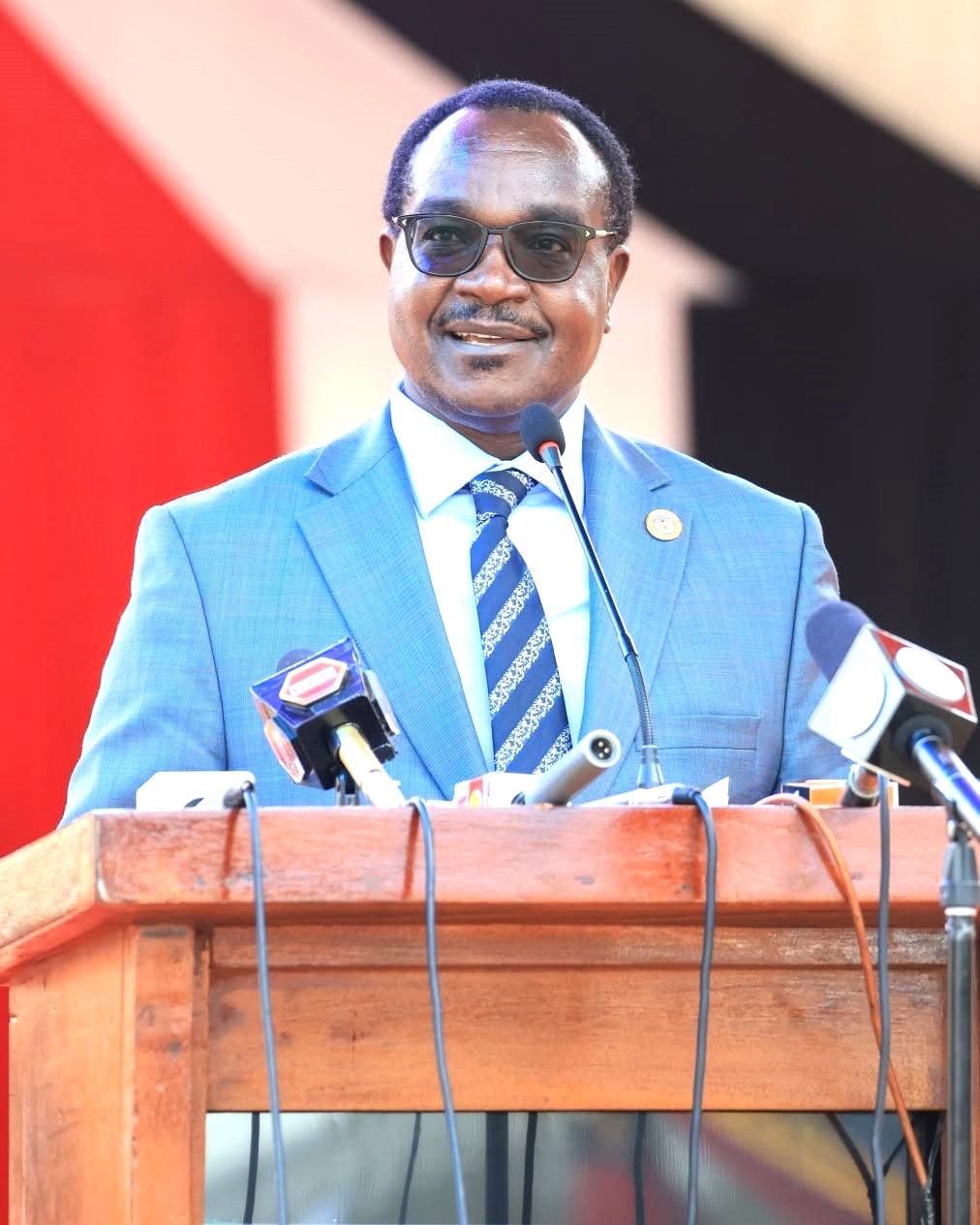
Education Cabinet Secretary Julius Ogamba has provided fresh insights into how the revised funding model will operate, saying the approach is intended to ensure that deserving students are not denied opportunities to pursue higher education because of financial constraints.
The reforms follow President William Ruto’s announcement of changes to the higher education funding framework, with students’ financial circumstances expected to play a central role in determining government support.
Unlike a uniform funding approach, the revised model seeks to tailor financial assistance according to each student’s assessed level of need.
According to Ogamba, the framework is built on the principle of equity rather than equality. While eligible learners will have access to government support, the amount awarded will depend on an assessment of their socio-economic circumstances.
This means students from low-income and vulnerable households will receive greater government support than those from families with stronger financial capacity.
Means testing to determine support
At the heart of the revised funding model is an enhanced means-testing process that assesses the financial circumstances of applicants.
The assessment considers factors including household income, family composition, economic vulnerability and other indicators intended to provide a clearer picture of a student’s financial circumstances.
The outcome will determine the level of government assistance for which each learner qualifies.
Students identified as the most financially vulnerable will receive higher levels of support through scholarships and affordable student loans, while households with greater financial capacity will be expected to contribute a larger share towards tuition and related educational expenses.
Ogamba said the revised framework does not eliminate student loans or scholarships. Instead, it reorganises government assistance into a package combining scholarships, loans and household contributions.
The objective is to maximise the impact of public resources while ensuring students from disadvantaged backgrounds receive adequate support.
Transparency remains critical
The reforms follow months of debate surrounding university financing, with students, parents, universities and other education stakeholders raising concerns over transparency, categorisation of beneficiaries, delays in disbursement and the need for a predictable system reflecting families’ economic circumstances.
The government says the revised framework seeks to address these concerns through a fairer and more responsive allocation mechanism.
Education analysts have welcomed efforts to refine the funding system but maintain that implementation will determine whether the changes achieve their intended objectives.
Transparency in means testing, efficient verification of applicants’ information, timely disbursement of scholarships and loans, and an accessible appeals process will be critical in building public confidence.
Stakeholders have also called for sustained public awareness to help students and parents understand the assessment process, eligibility criteria and procedures for accessing financial assistance.
Universities and colleges will equally be expected to guide students through the process and provide accurate information regarding scholarships, loans and institutional requirements.
Focus on sustainable higher education financing
The reforms also seek to strengthen accountability in the management of public education funds.
By aligning financial assistance with demonstrated need, the government hopes to improve the utilisation of resources while safeguarding the long-term sustainability of higher education financing amid increasing enrolment and demand.
The Ministry of Education has urged students, parents, guardians and institutions of higher learning to rely on official government communication for information on implementation timelines, application procedures, eligibility requirements and additional guidelines.
For thousands of young Kenyans preparing to join universities and Technical and Vocational Education and Training (TVET) institutions, the revised framework could determine how much government financial assistance they receive.
READ ALSO: Educational trips must go beyond recreation to advance CBE and learner safety
Ultimately, the success of the reforms will depend on transparent implementation, efficient administration, timely disbursement of financial support and collaboration among government agencies, institutions, students and parents.
By Hillary Muhalya
You can also follow our social media pages on Twitter: Education News KE and Facebook: Education News Newspaper for timely updates.
>>> Click here to stay up-to-date with trending regional stories
>>> Click here to read more informed opinions on the country’s education landscape