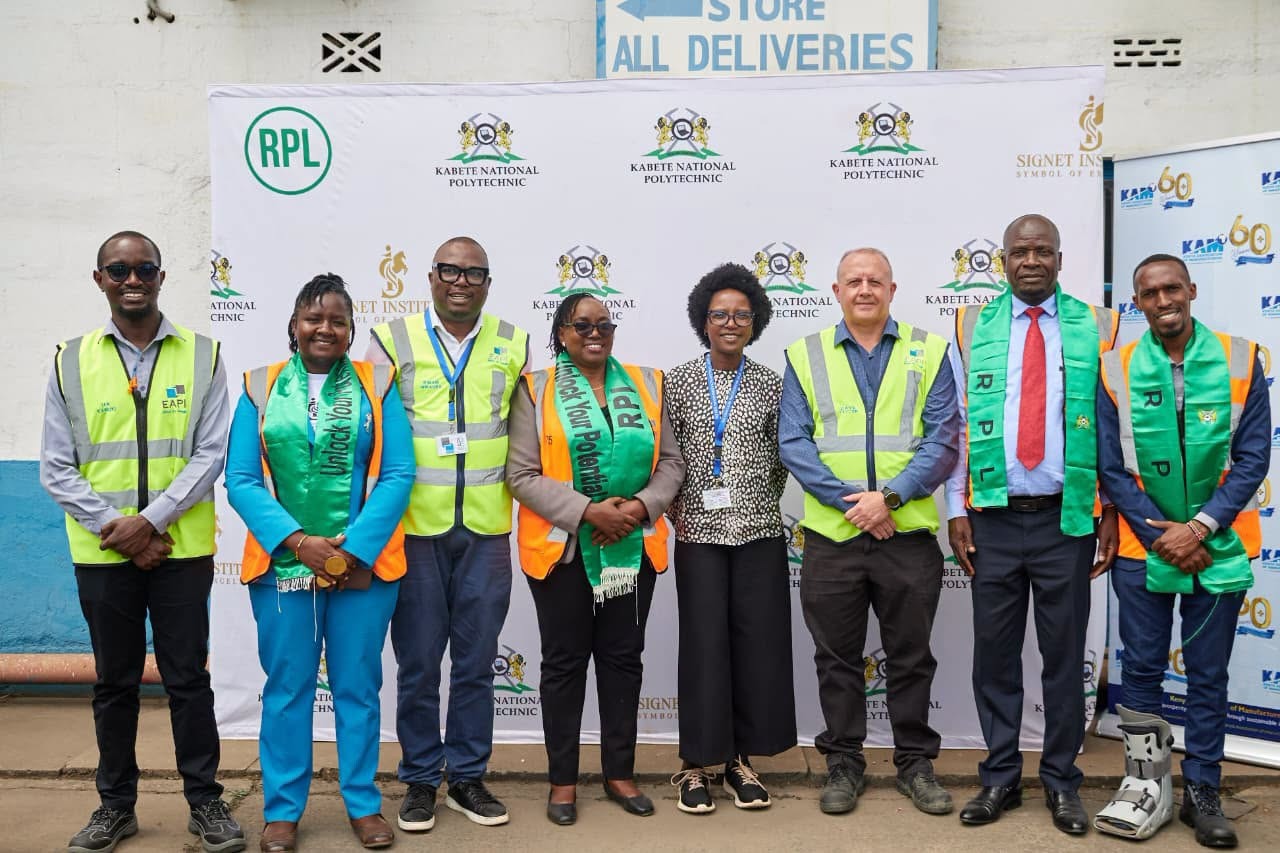
- Astiba Kebongo argues that educational trips should be deliberately designed to support curriculum delivery and competency development.
- She says schools, parents and industry partners share responsibility for making excursions meaningful, inclusive and financially accountable.
- Kebongo maintains that learner safety must remain paramount through proper planning, supervision and strict adherence to education guidelines.
The second term of the school calendar is traditionally the busiest period in most learning institutions. It is marked by co-curricular engagements such as sports championships, music festivals, academic symposia and educational excursions.
As these programmes conclude, schools transition into the third term, during which institutions concentrate on curriculum consolidation and national examination preparedness. Amid this busy calendar, educational trips remain one of the most significant, yet often underestimated, pedagogical strategies in contemporary education.
The central question, therefore, is not whether schools should organise educational trips, but whether these excursions are deliberately designed to advance curriculum delivery, learner development and national education goals.
Educational excursions are far more than recreational outings. They are structured instructional experiences that extend learning beyond the classroom and bridge the gap between theoretical knowledge and authentic practice.
They provide learners with opportunities to engage directly with the social, cultural, scientific, environmental, technological and industrial realities that shape the world they are preparing to enter.
As Confucius observed, “I hear and I forget. I see and I remember. I do and I understand.” His observation continues to resonate with modern educational philosophy, where authentic learning experiences can produce deeper understanding than passive instruction.
Educational trips strengthen competency-based learning
The emergence of competency-based education has elevated the strategic importance of educational trips. Competency-based learning is founded on learner agency, experiential learning, critical thinking, collaboration, creativity, communication and problem-solving.
These competencies cannot be cultivated exclusively within classroom walls. They require purposeful engagement with real-life environments where learners can observe, inquire, analyse, innovate and reflect.
Educational excursions therefore constitute an important component of effective competency-based education. They enable learners to connect classroom concepts with practical applications while appreciating diverse career pathways.
Visits to industries, agricultural enterprises, innovation hubs, museums, conservation centres, universities, research institutions, courts, media houses, hospitals and manufacturing plants can transform learning into authentic experiences that nurture competence and career awareness.
Equally important is the role of industry and the wider community. Educational institutions cannot implement competency-based education in isolation.
Industries, professional organisations, research centres, public institutions and private sector partners should embrace their responsibility as co-educators by providing structured learning opportunities, mentorship, demonstrations and career exposure.
Such partnerships strengthen school-community collaboration while preparing learners for an increasingly dynamic labour market.
Educational trips also promote competencies that transcend academic achievement. Learners can develop leadership, resilience, teamwork, communication, intercultural competence, environmental stewardship, ethical decision-making and responsible citizenship.
They encounter diverse communities, appreciate national heritage and cultivate a broader understanding of their social responsibilities.
Planning, accountability and safety are critical
Educational excursions require substantial financial investment, a responsibility largely shouldered by parents and guardians. Consequently, parental engagement should not be viewed merely as financial support but as an important pillar of successful curriculum implementation.
Parents deserve transparent communication regarding educational objectives, expected learning outcomes, risk management measures, logistical arrangements and financial accountability.
Every educational excursion should demonstrate educational value and justify the resources entrusted to schools.
School leadership therefore bears a professional obligation to ensure prudent planning and resource stewardship. Advance planning enables families to prepare financially while allowing schools to negotiate cost-effective transport, accommodation and institutional partnerships.
Educational excursions should be integrated into annual curriculum implementation plans rather than organised as isolated or routine events. Schools should also adopt inclusive approaches that minimise financial barriers and promote equitable learner participation.
Learners themselves are active participants in the success of educational excursions. They are expected to demonstrate discipline, personal responsibility, respect for institutional regulations, punctuality and appropriate conduct throughout the programme.
Teachers equally assume responsibilities that extend beyond supervision. They are instructional leaders, mentors, facilitators of experiential learning and custodians of learner welfare.
Effective educational excursions require comprehensive pre-visit planning, clearly articulated learning objectives, learner orientation, risk assessment, continuous supervision, emergency preparedness and structured post-trip reflection to consolidate learning outcomes.
Institutional leadership must ensure compliance with national requirements governing educational travel. Every excursion should follow applicable procedures regarding approvals, parental consent, learner supervision, transport safety, emergency preparedness, safeguarding and accountability.
Learner safety must remain paramount
Recent tragic events within the East African region, where learners lost their lives following a road traffic accident during an educational excursion, have once again underscored the importance of safeguarding learner welfare.
As we mourn the lives lost and wish those receiving medical care a full recovery, the education fraternity is reminded that learner safety must remain paramount.
Every educational institution carries a duty to exercise the highest standards of care whenever learners are under its supervision. Every journey undertaken by a school should therefore reflect meticulous planning, comprehensive risk mitigation and adherence to established safety protocols.
Kenya’s legal framework recognises children’s rights to protection and security, reinforcing the responsibility of educational institutions to safeguard learners participating in school programmes.
Educational philosopher John Dewey argued that education is not merely preparation for life but part of life itself. His philosophy remains relevant in contemporary competency-based education, where meaningful learning emerges through purposeful experience and reflection.
Educational excursions therefore derive their value not from the distance travelled but from the quality of learning intentionally embedded within the experience.
As education systems continue shifting towards competency-based, learner-centred and future-oriented models, educational excursions should be recognised as strategic investments rather than optional activities.
Their success should be measured by the competencies developed, aspirations ignited, partnerships established and learning achieved.
Ultimately, educational trips should embody high standards of educational planning and governance. They must be curriculum-driven, pedagogically sound, financially accountable, professionally managed, legally compliant, inclusive and uncompromisingly safe.
When school leaders, teachers, parents, policymakers, industry partners and learners embrace their shared responsibilities, educational excursions become powerful ecosystems of learning that prepare young people not only for examinations but also for responsible citizenship, lifelong learning and meaningful participation in an increasingly interconnected world.
READ ALSO: Four Endebess secondary schools receive new buses in education infrastructure boost
This is the true promise of competency-based education and the enduring value of learning beyond the classroom.
Astiba Kebongo is the author of this opinion article.
You can also follow our social media pages on Twitter: Education News KE and Facebook: Education News Newspaper for timely updates.
>>> Click here to stay up-to-date with trending regional stories
>>> Click here to read more informed opinions on the country’s education landscape