-
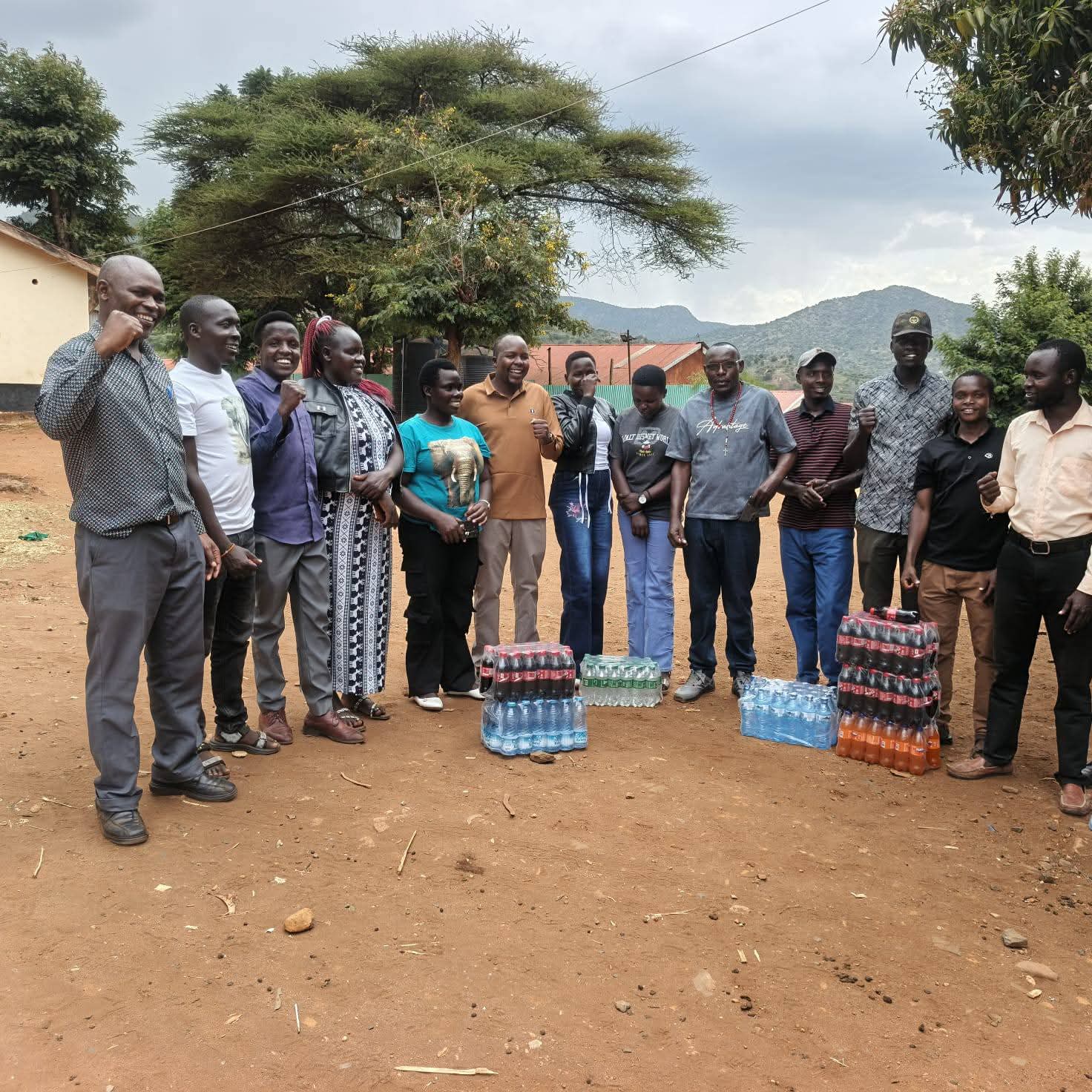
KUPPET West Pokot Branch Chairperson Geoffrey Doywan has hailed the ongoing CEMASTEA capacity-building programme for JSS teachers, saying that it has enhanced teachers’ ability to implement CBE.
-
He also commended the Government, TSC and CEMASTEA for designing a training programme that directly addresses the challenges teachers face in implementing CBE in classrooms.
The ongoing Centre for Mathematics, Science and Technology Education in Africa (CEMASTEA) capacity-building programme for Junior Secondary School (JSS) teachers has significantly enhanced teachers’ ability to implement Competency-Based Education (CBE), KUPPET West Pokot Branch Chairperson Geoffrey Doywan has said.
Speaking after assessing the training sessions at Ortum Junior Secondary School in West Pokot County, Doywan described the programme as practical, timely and responsive to the evolving demands of the Competency-Based Curriculum (CBC) at the Junior Secondary level.
He commended the Government, the Teachers Service Commission (TSC) and CEMASTEA for designing a training programme that directly addresses the challenges teachers face in implementing CBE in classrooms.
According to Doywan, the programme equips teachers with the knowledge and practical competencies required to deliver learner-centred instruction, noting that the shift to CBE has compelled teachers to adopt new teaching methods, innovative assessment approaches and a deeper understanding of competency-based learning.
“The training is practical rather than theoretical. It exposes teachers to modern instructional strategies that promote critical thinking, creativity, collaboration and problem-solving among learners, which are key pillars of Competency-Based Education,” he said.
He noted that the training modules are tailored to the day-to-day realities of Junior Secondary School teachers, offering practical solutions on lesson delivery, learner assessment, classroom management, technology integration and effective implementation of competency-based teaching strategies.
ALSO READ:
Doywan emphasized that the success of curriculum reforms depends largely on the preparedness and competence of teachers.
“Although the Government has invested heavily in infrastructure, learning materials and policy reforms, teachers remain the most critical factor in successful curriculum implementation. Continuous professional development must therefore remain a priority,” he said.
He encouraged participating teachers to make full use of the training by actively engaging in discussions, sharing classroom experiences and adopting best practices that will improve learning outcomes.
He further observed that education is constantly evolving, making lifelong learning essential for teachers to remain effective and relevant in the profession.
While acknowledging that the implementation of CBE has presented both opportunities and challenges since its introduction, Doywan expressed confidence that structured in-service programmes such as the CEMASTEA training would bridge existing knowledge gaps and strengthen teachers’ confidence in delivering the curriculum.
He said the initiative demonstrates the Government’s commitment to ensuring teachers are adequately prepared to implement ongoing education reforms.
“Investing in teachers’ professional knowledge ultimately translates into better learning experiences, improved learner achievement and a stronger education system,” he noted.
ALSO READ:
Six CBE-compliant classroom sitting styles every teacher should know
Doywan also praised the programme’s practical orientation, saying participants are exposed to real classroom scenarios, collaborative learning approaches and innovative instructional strategies that they can immediately apply in their schools.
He underscored the need for continued collaboration among the Ministry of Education, TSC, teacher training institutions, school administrators, teachers’ unions and parents to ensure the successful implementation of Competency-Based Education.
“As a union, KUPPET remains committed to supporting initiatives that strengthen teachers’ professional competence while continuing to advocate for improved welfare, adequate teaching resources and better working conditions. Professional development and teacher welfare should go hand in hand because motivated teachers deliver quality education,” he said.
Doywan called on the Government to institutionalize regular in-service training programmes, noting that curriculum implementation is a continuous process that requires teachers to update their skills in response to emerging educational trends, technological advancements and changing learner needs.
He also urged teachers to view professional development as an investment in their careers and in the future of Kenya’s children, saying every new skill acquired contributes to improved classroom effectiveness and the development of competent, innovative and responsible citizens.
ALSO READ:
Govt disburses Ksh4.2 Billion to support 400,000 university students
He concluded that KUPPET’s assessment of the ongoing CEMASTEA programme confirms that the training is effectively responding to the practical demands of CBE implementation.
The union expressed appreciation to the Government, TSC and CEMASTEA for organizing a programme that equips teachers with the knowledge, skills and confidence needed to deliver quality competency-based education.
Teachers participating in the training expressed optimism that the skills acquired will enhance their classroom practice and improve learner outcomes, further strengthening the implementation of education reforms in Kenya.
By Hillary Muhalya
You can also follow our social media pages on Twitter: Education News KE and Facebook: Education News Newspaper for timely updates.
>>> Click here to stay up-to-date with trending regional stories
>>> Click here to read more informed opinions on the country’s education landscape