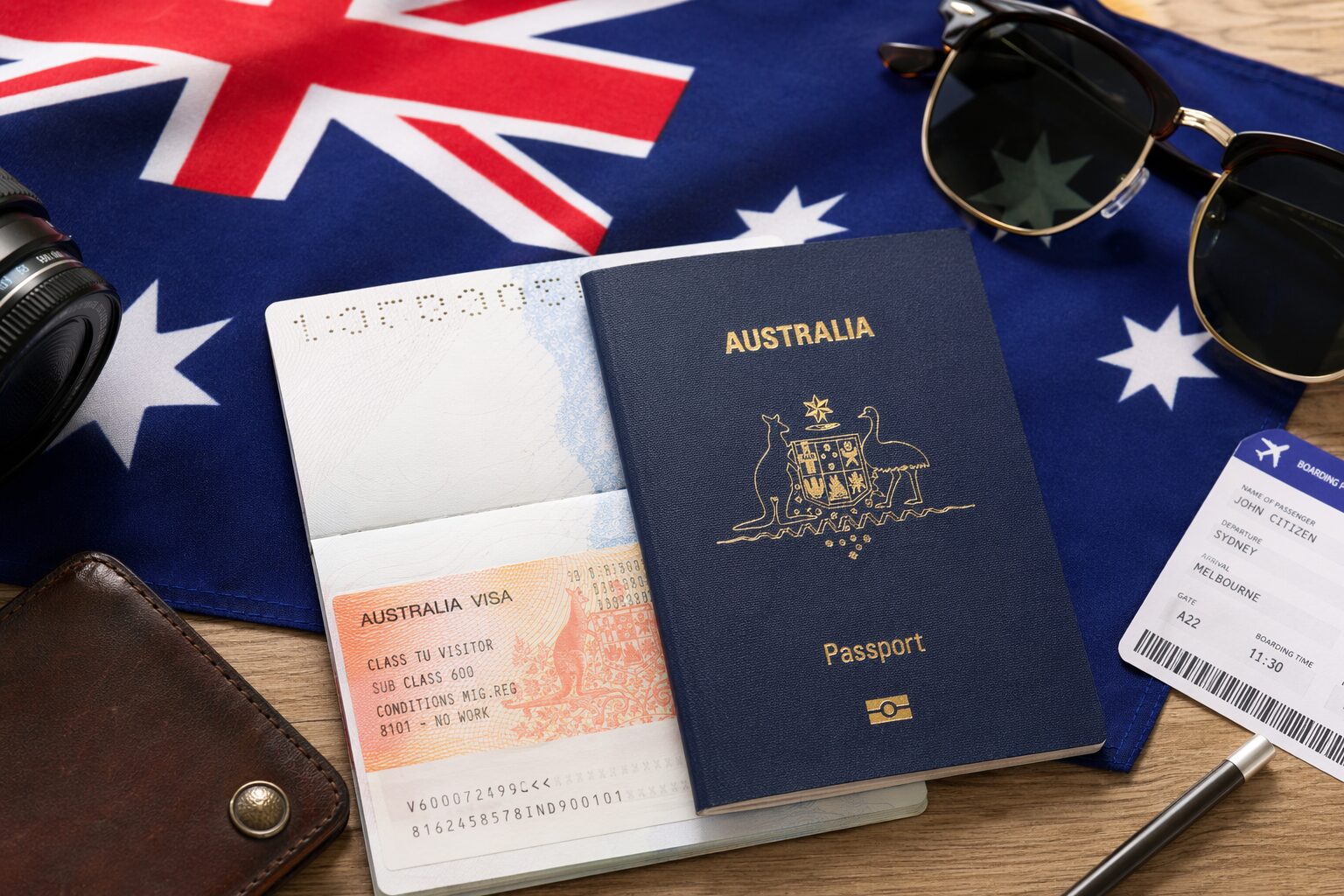
- Australia has announced new visa restrictions that bar most international students, including Kenyans, from bringing family dependants, with exemptions limited to ASEAN, Pacific, and PhD students.
- Home Affairs Minister Tony Burke has confirmed plans to reduce net migration from about 300,000 to 245,000 by mid-2027, and further to 225,000 the following year.
- Australia has tightened course-switching rules to curb “visa hopping” while prioritising skilled migration in sectors such as construction, agriculture, mining and teaching.
Australia is moving to tighten its international education and migration system, with new restrictions targeting international students and working holidaymakers as the government seeks to reduce migration levels while directing skilled migration towards sectors facing labour shortages.
Under the new rules announced on September 17, international students generally will no longer be permitted to bring family members with them. However, students from ASEAN and Pacific countries will be exempt, alongside limited categories such as PhD students. For Kenyan students, the distinction is significant: Kenya is not among the countries covered by the ASEAN/Pacific exemption, meaning Kenyan students with dependants could face tougher choices when considering Australia as a study destination.
The Australian government plans to reduce overall migration from about 300,000 people annually to 245,000 in the year from mid-2026 to mid-2027, followed by a further reduction to 225,000 in the subsequent 12 months. The changes come amid intense domestic debate over migration, housing shortages and pressure on public services. The government, however, says it is not abandoning immigration but wants migration better aligned with Australia’s economic needs. Home Affairs Minister Tony Burke said the reforms were intended to prevent exploitation of the migration system while maintaining immigration that serves Australia’s interests.
One of the most consequential changes for international education concerns dependants. In the first half of 2026 alone, Australia granted 337,427 student visas, of which 45,991 were for dependants or family members. The new restrictions could therefore affect a substantial group of international students who would traditionally have travelled with spouses or children. For Kenyan postgraduate students, particularly those with families, the policy could make Australia a more complicated destination. A student may have to weigh studying abroad against the prospect of leaving immediate family behind or pursuing another destination with more accommodating dependant arrangements.
ALSO READ:
Senator Sigei meets SOT TTI student leaders after elevation to national polytechnic
Australia is also moving against what it calls “visa hopping,” where international students repeatedly change courses primarily to improve their migration prospects. Under the new approach, students will generally not be able to switch courses unless the change represents progression towards a higher qualification, such as moving from undergraduate to postgraduate study. The International Education Association of Australia has supported efforts to eliminate non-genuine students, particularly in the vocational education sector, where course changes can sometimes be associated with attempts to obtain migration advantages. That development carries an important message for prospective Kenyan students: choosing an Australian course is increasingly becoming an education decision first and a migration decision second.
Australia is simultaneously reshaping its skilled migration priorities. Construction, agriculture, fisheries, mining and teaching are among the areas being prioritised because of continuing skills shortages. This creates an interesting contradiction for international students: while Australia is tightening some pathways used by international students to remain in the country, it continues to recognise the economic value of attracting people with skills that its labour market needs. For Kenyan educators and other professionals considering Australia, therefore, the evolving system may create opportunities in targeted occupations while making the broader student-to-migration pathway more tightly regulated.
The working holiday programme is also being tightened. The number of people permitted to remain for a second year will fall from 57,000 to 45,000, while third-year places will fall from 31,000 to 5,000 and be allocated through a ballot.
ALSO READ: Kamagambo Varsity gets interim authority as Govt demands quality before expansion
The Australian reforms underline a wider global trend: countries that have traditionally attracted large numbers of international students are increasingly attempting to separate education from migration management. For Kenya, this is more than an Australian immigration story. Australia has become an important destination for Kenyan students, academics and skilled professionals, making changes to dependant rights, course switching and skilled migration relevant to families planning international education.
The emerging lesson is clear: Kenyan students considering Australia will need to examine not only university rankings, tuition and scholarships, but also dependant rules, visa conditions, course progression requirements and post-study pathways before committing substantial resources. Australia is not closing its doors to international students. Rather, the new policy signals a system in which who comes, what they study, whether their family can accompany them and how their skills fit Australia’s labour-market priorities are becoming increasingly important.
By Hillary Muhalya
Get more stories from our website: Education News
To write to us or offer feedback, you can reach us at: editor@educationnews.co.ke
You can also follow our social media pages on Twitter: Education News KE and Facebook: Education News Newspaper for timely updates.
>> Click here to stay up-to-date with trending regional stories