On a quiet corner of Rusinga Island in Homa Bay County, Kenya’s history rests in silence. During a recent visit to the Mausoleum of Tom Joseph Mboya, the expectation was crowds, school buses and a grand museum. Instead, what was found was something more humbling.
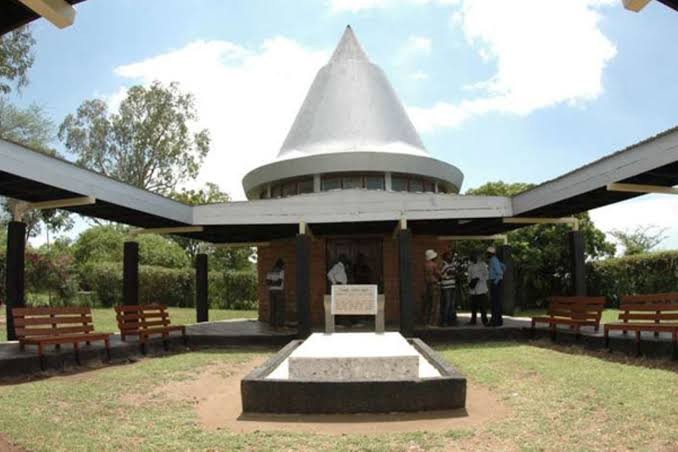
There stands a solitary, white-washed mausoleum facing Lake Victoria. Inside it lies one of Kenya’s greatest sons. Three metres aside is the grave of his white friend, a quiet testimony to Mboya’s belief that humanity transcends colour. The lake wind blows softly over the two graves, but the legacy they hold is loud and alive. It is a legacy Kenya must never forget.
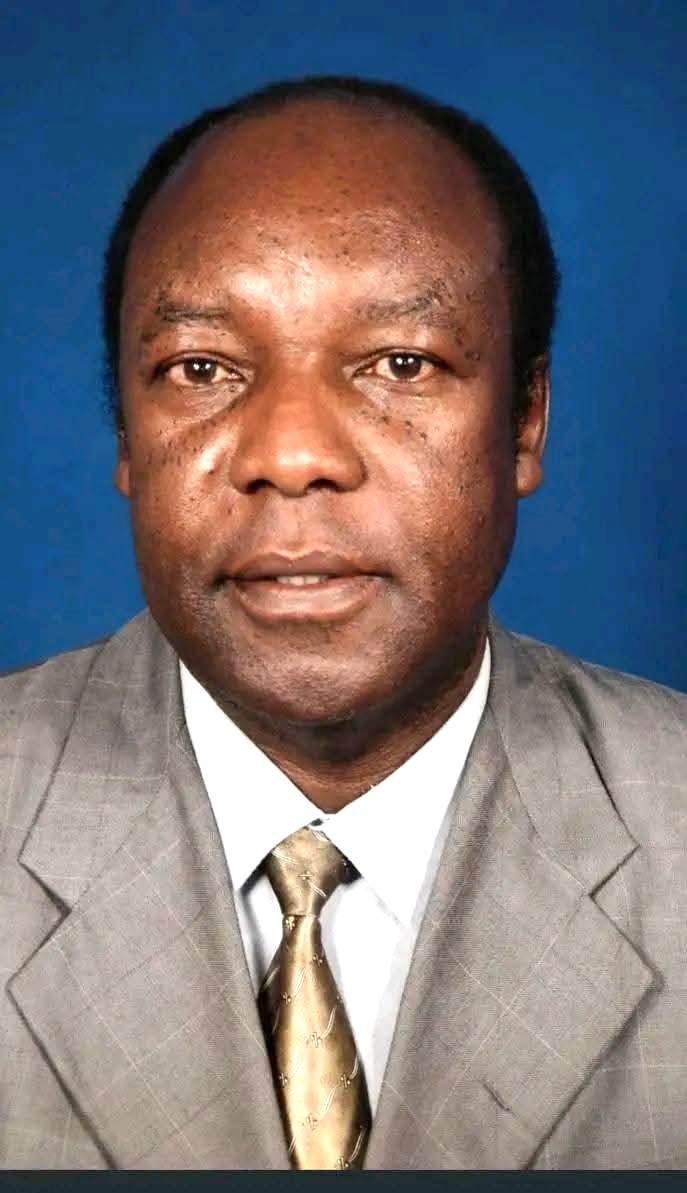
Tom Joseph Mboya was born on 15th August 1930 at Kilimambogo, but his ancestral roots are firmly in Kasawanga Village on Rusinga Island. He was more than a politician; he was a nation-builder, a trade unionist, a Pan-Africanist and one of Kenya’s most brilliant orators. In his twenties, he became the General Secretary of the Kenya Federation of Labour, giving a voice to African workers who were paid little and treated poorly. Yet his most powerful tool was never the strike. It was education.
In 1959 and 1960, Mboya organised the historic Student Airlifts to the United States. Working with American leaders such as John F. Kennedy and Martin Luther King Jr., he enabled over 800 young Kenyans to fly to American universities. Among those beneficiaries were Barack Obama Sr., father to America’s first Black president, and Prof. Wangari Maathai, who would later become a Nobel Peace Prize laureate. Mboya understood a timeless truth: educate one child and you transform an entire community.
Later, as Minister for Justice and then Minister for Economic Planning and Development, he authored the famous Sessional Paper No. 10 of 1965 on African Socialism, which became Kenya’s economic blueprint at independence. His life was cut short when he was assassinated on Moi Avenue in Nairobi on 5th July 1969. He was only 38 years old.
ALSO READ:
Hyena attacks injure two, spark fear among learners in Chemase, Tinderet
At the mausoleum, his elder brother sat in the open room and took visitors around like any other tour guide after receiving a small token, an appreciation rather than an entry fee. He recalls that his younger brother loved books more than fine suits, and would sit for hours reading. He did not wish to be remembered for his sharp suits or powerful speeches, but for the doors he opened for others. “Tom always told us that a village with one educated child will never be poor,” he says. It is a simple statement, but it explains everything Mboya did.
Today, his name endures. The Tom Mboya Airstrip welcomes visitors to Rusinga, Tom Mboya Boys School moulds young men, and roads and streets across the nation bear his name. His legacy is not just in concrete and signposts; it lives in the thousands of doctors, teachers, engineers and leaders whose families got a chance because of his airlifts.
However, honouring a hero requires more than naming institutions. It requires making his heritage accessible. Currently, reaching the mausoleum remains a challenge. The road from the Mbita causeway to Kasawanga is rough and dusty, becoming nearly impassable during the rainy season. There are few signboards to guide tourists, no proper jetty for safe landing at Litare or Mbita, and no learning centre, library or hostel for students who wish to conduct field studies on labour movements, Pan-Africanism and Kenya’s independence history.
Other institutions on the island endure the same rough and dusty roads, including Wanyama Primary, Wanyama Secondary and Rusinga Girls High School. They too live with the hope that an improved road network under Vision 2060, a continuation of Vision 2030, will finally open up the island. If students cannot reach their history, how will they learn from it?
There is an urgent need for the national and county governments to improve communication and infrastructure on the island. The completion of the Rusinga Ring Road, the construction of safe jetties, the installation of clear historical signage, and the establishment of a small resource centre next to the mausoleum would transform the site. Such improvements would also unlock youth employment, with local young people trained and employed as heritage tour guides, boat operators, homestay managers, curio sellers and documentary screeners. Tourism would create jobs that do not require the youth to leave home. Rusinga Island should be a living classroom for every Kenyan child.
Robots are coming to the workplace-and Kenya is already getting a glimpse
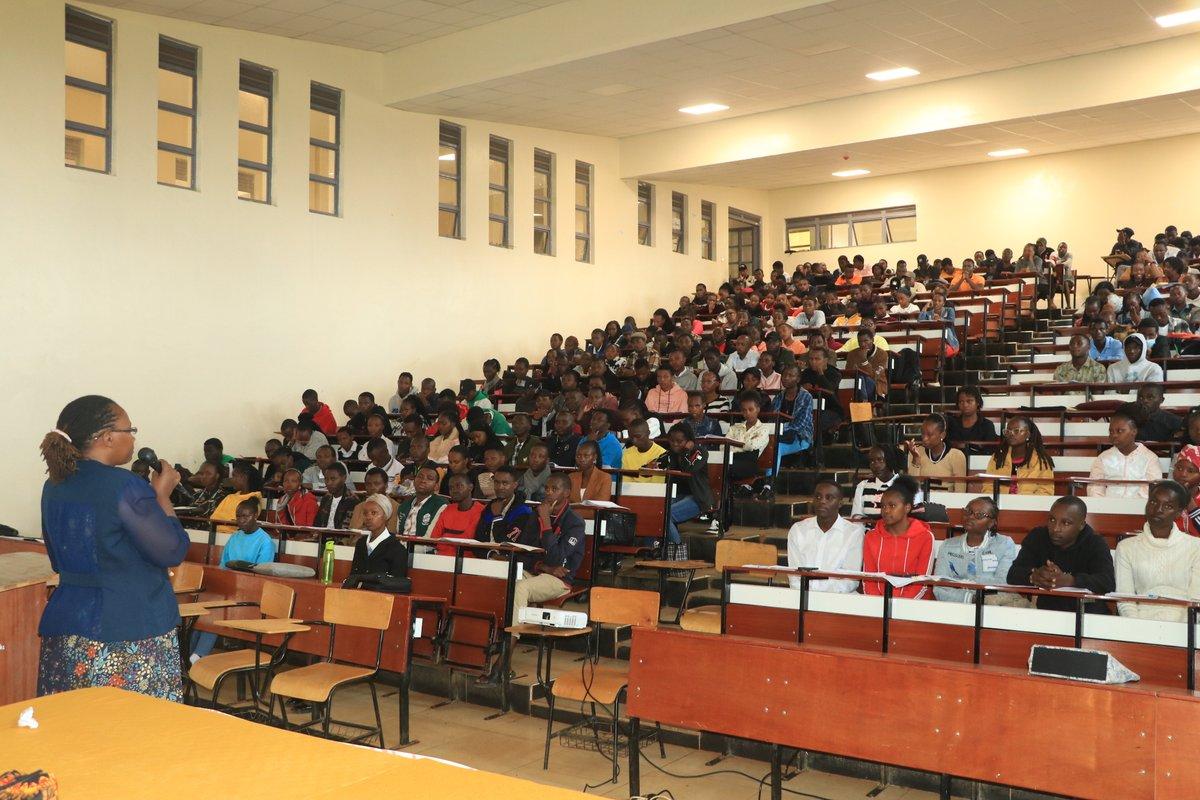
As this appeal is made, it is important to thank the government for honouring Tom Mboya most fittingly, through education. The country is grateful for Tom Mboya Labour College in Kisumu, which continues to champion the rights and welfare of workers, just as Mboya did. It is equally grateful for Tom Mboya University in Homa Bay, now a fully-fledged university standing on the shores of the lake he loved. Every student who graduates from Tom Mboya University carries his legacy forward, a legacy of hard work, scholarship, service and Pan-African pride.
Tom Mboya died young, but he never truly left. He lives on in every classroom, every university hall, and in every young Kenyan who still believes that education can lift a village, a county and a nation.
By Enock Okong’o
Get more stories from our website: Education News
To write to us or offer feedback, you can reach us at: editor@educationnews.co.ke
You can also follow our social media pages on Twitter: Education News KE and Facebook: Education News Newspaper for timely updates.
>>> Click here to stay up-to-date with trending regional stories