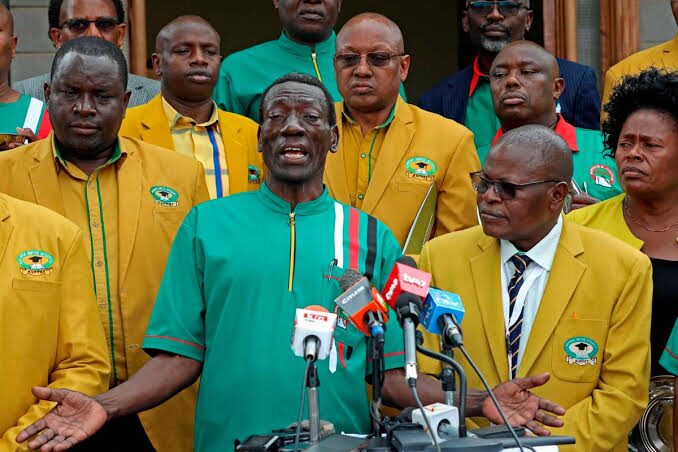
- Teachers’ unions have opposed a proposal in the Basic Education Bill, 2026, to make county commissioners chairpersons of County Education Boards.
- KNUT and KUPPET have argued that the move would weaken the independence of the boards and undermine devolution principles.
- The unions have called for wider consultations and urged lawmakers to ensure reforms align with the constitutional framework on education governance.
Teachers’ unions have opposed a proposal in the draft Basic Education Bill, 2026, seeking to make county commissioners chairpersons of County Education Boards (CEBs).
The Kenya National Union of Teachers (KNUT) and the Kenya Union of Post Primary Education Teachers (KUPPET) have raised concerns over the proposed change, arguing that it could weaken the independence of the boards and increase the influence of the national government in education management at the county level.
The unions maintain that CEBs play an important role in the decentralised management of education and should be allowed to discharge their responsibilities without undue interference.
They argue that placing county commissioners at the helm of the boards would represent a significant shift in the governance of education and could undermine the principles of devolution established under the 2010 Constitution.
ALSO READ:
71 trainees enrolled as PS Muoria commissions Kaare TVET Campus in Maara
The unions have called for wider consultations on the proposed amendment, saying teachers and other key education stakeholders should have an opportunity to present their views before the Bill is enacted.
They further argue that reforms to the education sector should focus on improving accountability, coordination and service delivery rather than altering structures that have been established to support decentralised decision-making.
The proposed changes have generated debate among education stakeholders, particularly over the respective roles of national and county government representatives in the management of education.
KNUT and KUPPET have urged lawmakers to carefully examine the implications of the proposal and ensure that any changes to the composition and leadership of CEBs are consistent with the constitutional framework governing education.
The unions say maintaining effective and independent education governance structures is important for ensuring that decisions affecting schools, teachers and learners are made through the appropriate institutions.
ALSO READ: A Call to Parliament: Put the welfare of JSS teachers and learners before the capitation dispute
The Basic Education Bill, 2026, contains proposed changes to the legal and administrative framework governing the education sector. Its provisions are expected to continue attracting scrutiny from teachers’ unions and other stakeholders as the legislative process progresses.
By Jeff Kirui
Get more stories from our website: Education News
To write to us or offer feedback, you can reach us at: editor@educationnews.co.ke
You can also follow our social media pages on Twitter: Education News KE and Facebook: Education News Newspaper for timely updates.
>> Click here to stay up-to-date with trending regional stories