- A draft competency-based framework for university education has been presented to vice chancellors, proposing changes to curriculum design, teaching, assessment and governance.
- CUE chief executive Prof Mike Kuria has said universities will need to shift toward demonstrable, practical assessment methods rather than content-heavy testing, partly due to concerns over AI use.
- The transition will require lecturer retraining, smaller classes and stronger ICT infrastructure ahead of the first CBE cohort reaching universities in 2029.
Kenyan universities are set for a major overhaul in how courses are taught, tested and structured if a newly unveiled draft competency-based framework for university education (CBFUE) is adopted to align higher learning with the competency-based education (CBE) system already rolled out in basic education.
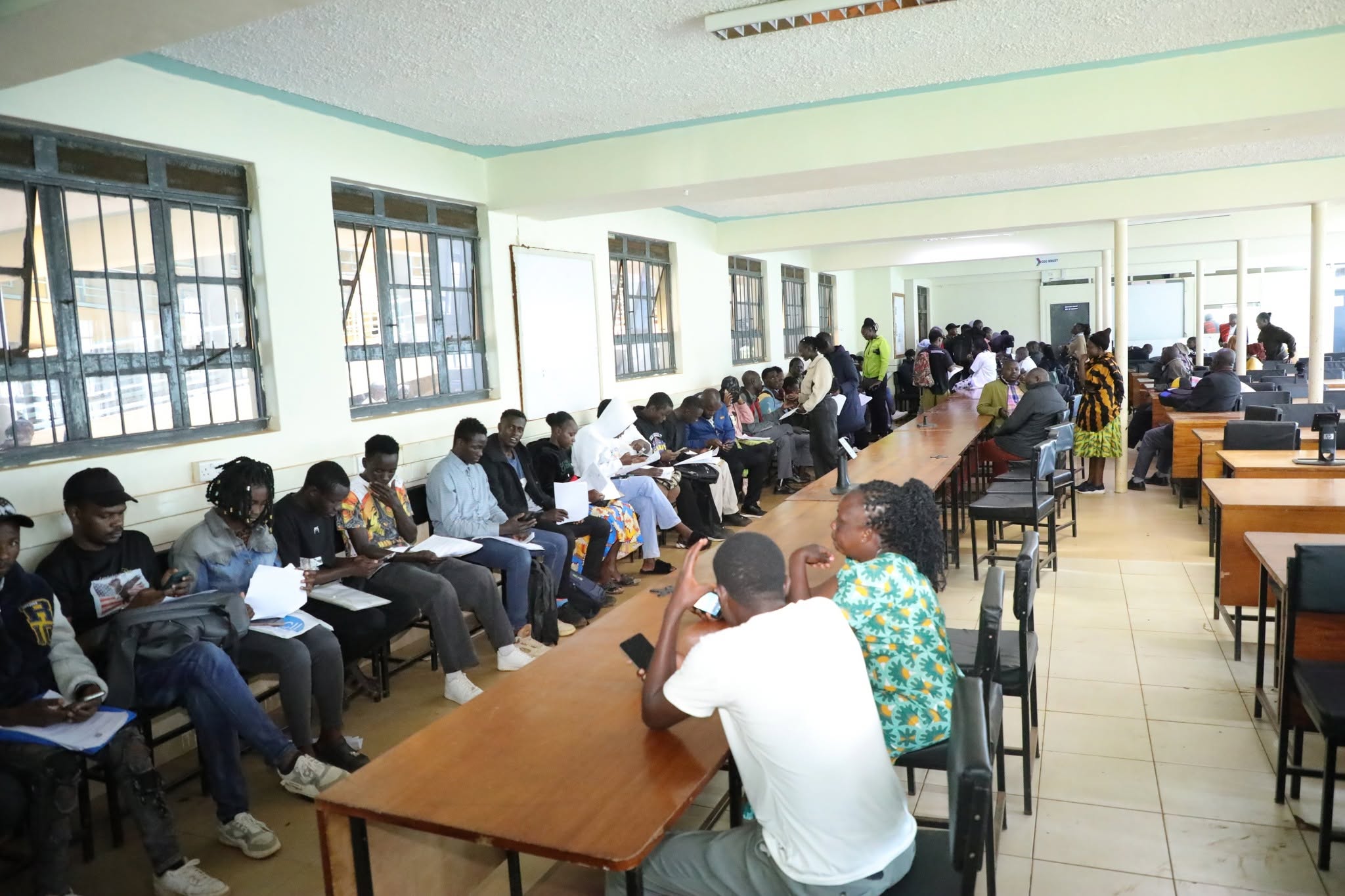
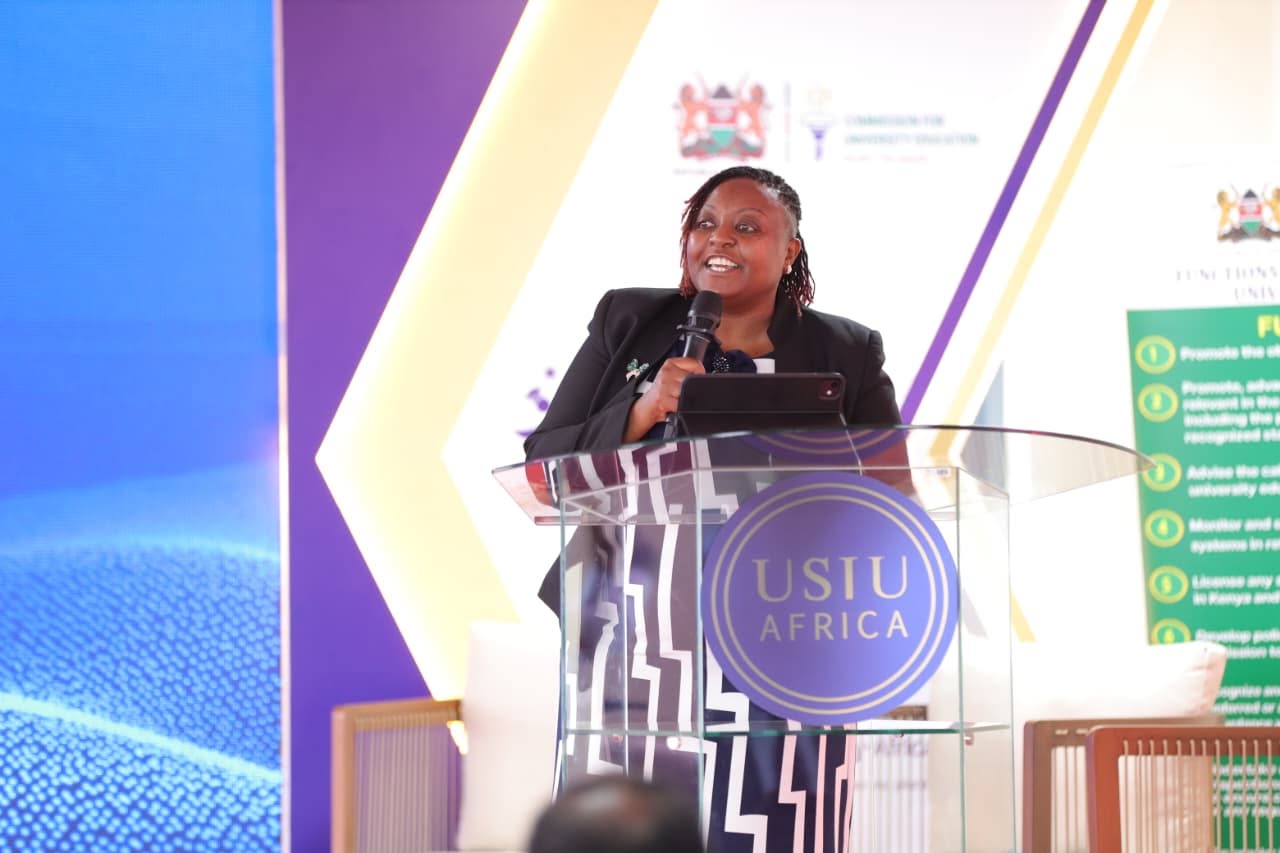
The draft was presented to vice chancellors from universities across the country during a consultative conference held at the United States International University-Africa (USIU), where it was outlined as covering curriculum design, teaching, assessment, quality assurance, governance, industry linkages and implementation.
Under the proposed approach, universities could adopt smaller classes, hire more staff, expand ICT infrastructure, review curricula to eliminate repetition, and revise teaching and assessment methods to focus on competencies students can demonstrably show, potentially with industry involvement in evaluating them.
Higher Education Secretary in the Ministry of Education Dr Carol Hunja said the framework is designed to produce graduates capable of navigating a fast-changing global landscape.
“Higher education is undergoing profound transformation globally. We’re consistently talking about advances in technology, our demographics are changing every day, we have climate change issues, and the very nature of work is changing,” she said, adding that universities must produce graduates who can apply knowledge, solve complex problems, think critically and creatively, communicate effectively, collaborate across disciplines, use technology responsibly, and continuously learn and adapt.
ALSO READ:
Over 159,000 first-year students seek Govt funding as universities reopen
Commission for University Education (CUE) chief executive Prof Mike Kuria said institutions would first need to review their existing curricula to build on, rather than repeat, competencies already covered under CBE in lower levels of education. “There is no need to subject a student to learning something they already know,” he said, noting that curricula would be revised once the competencies covered in earlier classes had been firmly established.
Under the proposed changes, universities would be required to embed demonstrable competencies across all disciplines, institutions and modes of delivery, including effective communication, critical and analytical reasoning, digital and information literacy, creativity and entrepreneurship. Prof Kuria said lecturers, who have traditionally operated within a content-heavy teaching model, would need to shift toward more hands-on approaches, a transition that could require smaller class sizes and adequate ICT infrastructure.
Assessment methods would also move toward practical approaches that could involve relevant industries. “What we have been doing has been very content-oriented. We sit students somewhere, give them an examination where they write down the content we’ve given them and then we mark it. But now we are saying having the theory is not enough. We need to see whether they can apply the knowledge they have,” Prof Kuria said.
He linked the shift toward demonstrable skills partly to growing concerns over students’ use of artificial intelligence in coursework. “In the context of AI, especially where students can get a very nice grade that they have not worked for by using AI, having a nice certificate that shows you are a first-class graduate may not be that useful in the course of time because employers are going to start asking, but what can you do with the first-class degree that you have?” he said.
According to the draft document, “graduate capability expectations should be reflected in all university qualifications in Kenya, irrespective of discipline, institution, or mode of delivery.” Prof Kuria said prospective students would need to weigh a university’s curriculum, teaching methods and industry linkages when choosing where to study.
Lecturers are expected to be retooled on appropriate teaching methods before the first cohort of CBE-trained students is admitted to universities in 2029.
TSC starts virtual sensitisation of teachers on PSSF registration
Dr Hunja said the scale of the changes required should not discourage universities from pursuing the reforms. “These challenges should not be a deterrent,” she said. “They should help us develop a very realistic and adequately supported implementation strategy so that we can ensure that a graduate leaving a Kenyan university possesses not only the qualification, but also the competence, confidence, and character needed to meaningfully contribute to society.”
The draft framework has been benchmarked against university training systems in the United Kingdom, the Netherlands, Finland and Australia, and its consultative development process is expected to shape how universities prepare curricula, staffing and infrastructure ahead of the CBE cohort’s entry into higher education in 2029.
By Masaki Enock
You can also follow our social media pages on Twitter: Education News KE and Facebook: Education News Newspaper for timely updates.
>>> Click here to stay up-to-date with trending regional stories
>>> Click here to read more informed opinions on the country’s education landscape
>>> Click here to stay ahead with the latest national news.