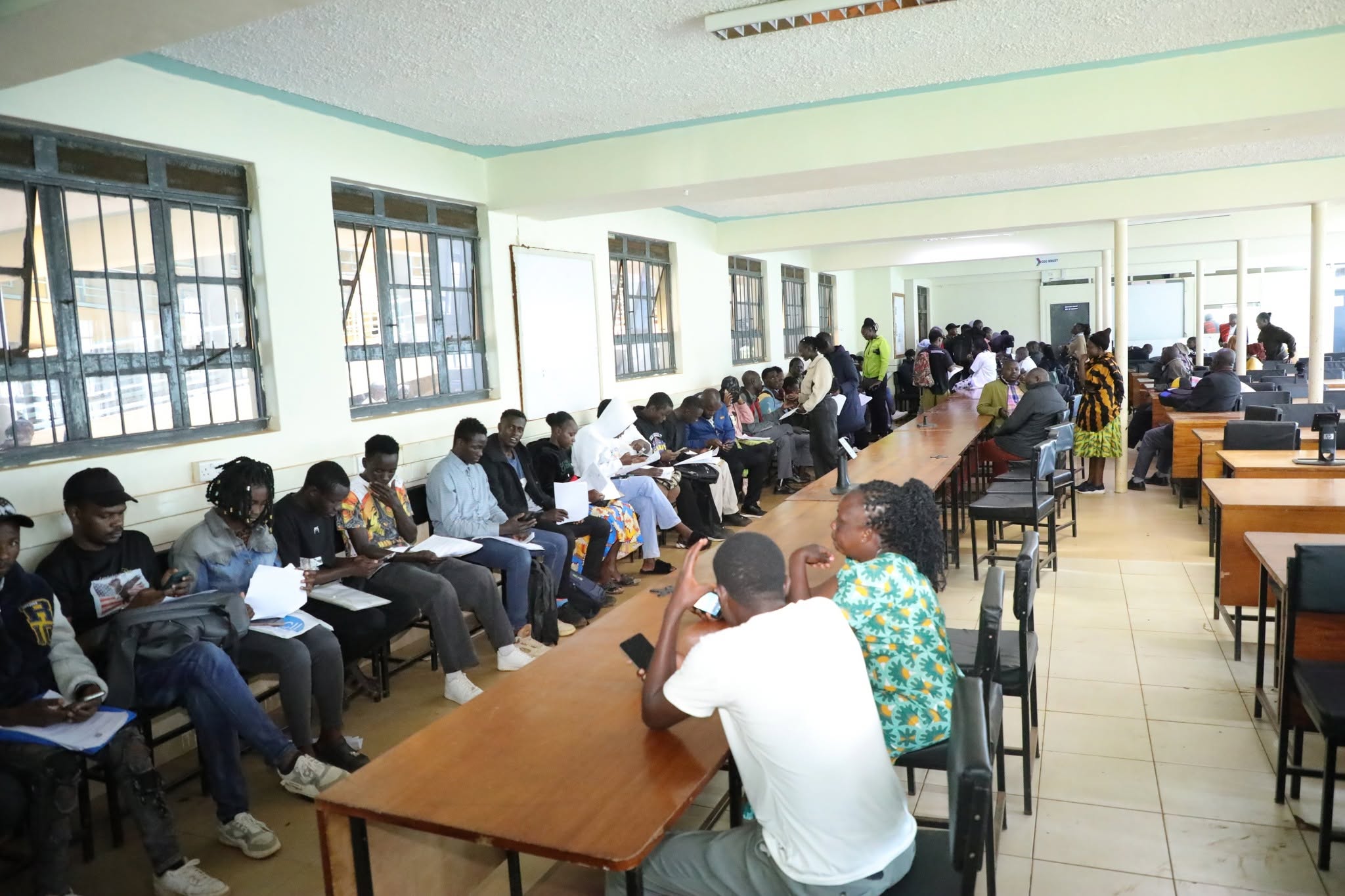
- Kenya is exploring cooperation with Chinese education partners to strengthen vocational training and industry linkages.
- Proposed areas include curriculum development, exchanges, technology transfer and specialised centres of excellence.
- The engagement seeks to equip young people with practical skills aligned with changing labour-market demands.
Kenya is exploring new international partnerships aimed at transforming technical and vocational education and training (TVET) into a stronger engine for skills development, industrial growth and youth employment.
The State Department for Technical and Vocational Education and Training (TVET) on Friday hosted a delegation from the Kenya National Chamber of Commerce and Industry (KNCCI) and China Science and Education Industry Group Limited for discussions on strengthening cooperation in vocational education and skills development.
The engagement, chaired by Joyce Mwale, Secretary Administration at the State Department for TVET, focused on how Kenya can tap into China’s extensive experience in applied sciences, technology and industry-oriented vocational training to strengthen the country’s TVET ecosystem.
At the centre of the discussions was the need to build a more responsive training system capable of preparing Kenyan youth for the demands of a rapidly changing economy, particularly as technology, automation and emerging industries continue to reshape the labour market.
New areas of TVET cooperation
The proposed areas of cooperation present significant opportunities for Kenyan TVET institutions. These include institutional partnerships, exchange programmes for trainers and trainees, joint curriculum development, technology and knowledge transfer, stronger industry linkages and possible investment in specialised TVET institutions and centres of excellence.
Such collaboration could also help bridge the longstanding gap between classroom-based training and the practical skills demanded by employers.
For Kenya, strengthening the connection between TVET institutions and industry is increasingly important as the country seeks to equip young people with market-relevant skills while supporting manufacturing, technology, construction, agriculture, energy and other productive sectors of the economy.
China’s experience in technical and vocational training offers potential lessons in developing training institutions that are closely connected to industrial needs, practical learning and technological advancement.
The proposed partnerships could therefore create avenues for Kenyan trainers and trainees to gain exposure to international standards, modern training technologies and emerging industrial practices. At the same time, Kenyan institutions could benefit from knowledge sharing and expanded networks with international training and industry partners.
The engagement also comes at a time when the Government is placing greater emphasis on TVET as a pathway for developing a skilled workforce capable of driving economic transformation.
Rather than viewing TVET as an alternative for students who do not pursue university education, the sector is increasingly being positioned as a strategic component of Kenya’s human-capital development agenda.
The potential investment in specialised TVET institutions and centres of excellence could further strengthen this approach by creating facilities dedicated to high-demand technical skills and emerging areas of the economy.
Connecting training with industry
Industry participation will remain critical to ensuring that such investments translate into employment opportunities. Stronger partnerships between training institutions and businesses can help institutions understand the skills employers require while giving trainees greater opportunities for practical exposure, internships, apprenticeships and eventual employment.
The collaboration with Chinese partners could consequently mark an important step towards creating a more globally connected Kenyan TVET system — one that combines local priorities with international expertise, modern technology and industry knowledge.
As Kenya continues to position TVET at the heart of its economic transformation agenda, partnerships that bring together skills, technology, industry and investment will be increasingly important.
The ultimate goal is not simply to increase the number of young people undergoing technical training, but to ensure that graduates leave institutions equipped with practical, innovative and globally competitive skills.
A stronger TVET system can give Kenya’s young population the tools needed to participate meaningfully in the country’s industrialisation journey while also positioning Kenyan workers to compete in regional and international labour markets.
The discussions between the State Department for TVET, KNCCI and the Chinese delegation therefore signal a broader vision for the future of skills development — one built around collaboration, innovation, technology transfer and stronger connections between education and the world of work.
For Kenya, the message is clear: the future of skills development will depend increasingly on partnerships that bring training institutions, government, industry and international expertise to the same table.
READ ALSO: Unbeaten Kesogon set for FEASSSA semi-final test against Bukedea
With strategic collaboration and sustained investment, Kenya’s TVET sector can become more responsive, innovative and globally connected, while opening new pathways for young people to acquire the practical skills needed to thrive in a rapidly changing world.
By Hillary Muhalya
You can also follow our social media pages on Twitter: Education News KE and Facebook: Education News Newspaper for timely updates.
>>> Click here to stay up-to-date with trending regional stories
>>> Click here to read more informed opinions on the country’s education landscape
>>> Click here to stay ahead with the latest national news.