- Spectators at the East African school games in Morogoro have raised questions after some Kenyan teams have shown markedly greater physical size and maturity than regional counterparts.
- Observers have pointed to differing secondary-school structures, Kenya’s Form Four cutoff versus other countries’ Form Six, as a possible explanation rather than deliberate over-age fielding.
- FEASSA and national school-sports authorities have been urged to publish clear age limits and verification procedures to restore confidence in the competition.
Organisers of the East African school games in Morogoro are facing renewed calls to publish clear age limits, eligibility criteria and verification procedures for all competing delegations, after visible differences in physical development between some Kenyan teams and their regional counterparts drew attention from spectators during the tournament.
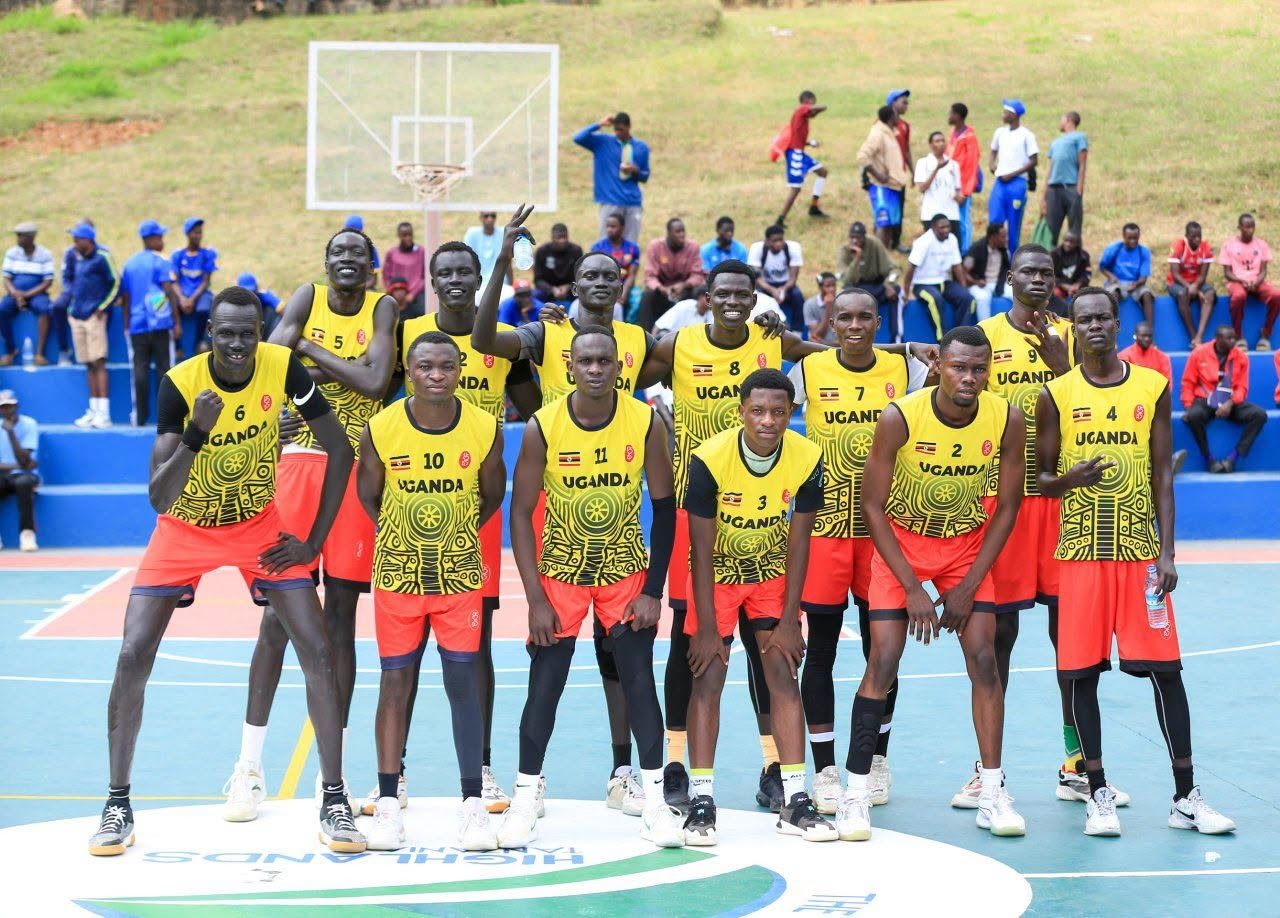
Several matches at the games, which brought together young athletes from across the region for competition, learning and cross-border friendship, produced encounters in which some Kenyan sides appeared markedly bigger, stronger and more physically mature than teams from neighbouring countries. In a number of these matches, the contrast was pronounced enough that spectators began asking whether every participating team was drawing its players from comparable age brackets and education structures.
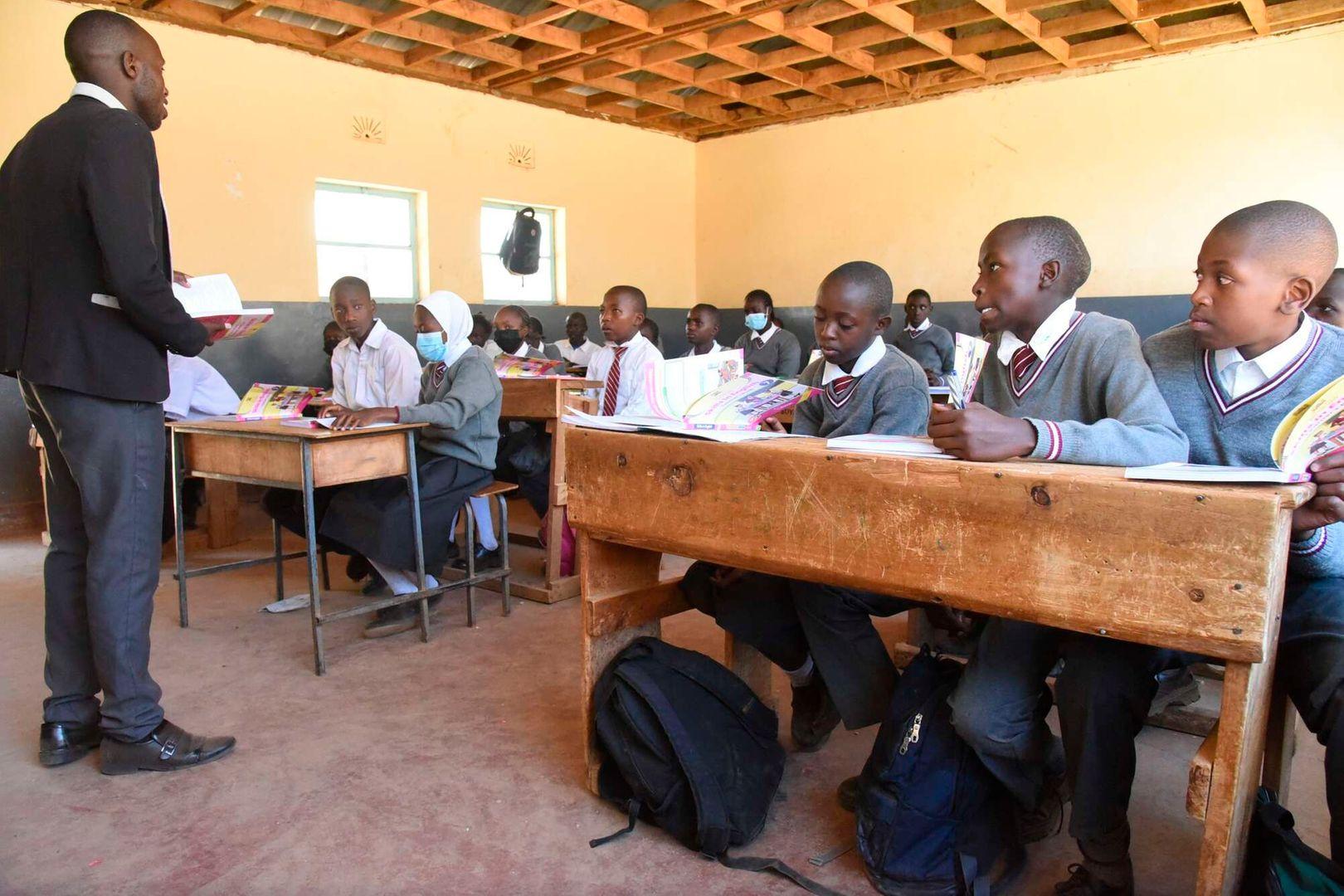
Observers following the games have offered an alternative explanation rooted in how secondary education is structured across East Africa rather than any deliberate effort to field over-age players. In Kenya, secondary schooling traditionally ends at Form Four, while several neighbouring countries extend secondary education to Form Six. Because school competitions typically draw participants from students still enrolled in secondary education, this structural difference means teams from different countries can, by design, be pulling players from different age groups depending on national eligibility rules.
ALSO READ:
Kitale-based St Joseph’s Girls, St Anthony Boys crowned FEASSA hockey champions
Seen in that light, some of what looks like an age advantage for a particular team may reflect the way secondary education is organised in that country rather than any wrongdoing. That distinction matters, and observers caution against reducing the issue to accusations levelled at individual athletes. Physical size, strength or maturity on its own cannot establish that a player is over-age, given that young people mature at markedly different rates even within the same age bracket, and that countries follow different pathways for developing school-level talent.
Even so, the question of eligibility is being pressed for greater transparency. The East African school games exist to give young athletes a level playing field on which to compete, and organisers are being urged to ensure that eligibility rules properly account for any substantial differences in participating countries’ education structures.
Kenya’s standing as a sporting powerhouse, built on a well-developed school sports system and a deep pool of young talent, is central to why the transparency question carries weight. Kenyan teams should be winning because they are better prepared, better coached and more talented, not because rival delegations suspect they are facing older opponents. The same standard, observers stress, has to apply to every country taking part, not Kenya alone.
FEASSA and national school-sports authorities now have an opportunity to strengthen confidence in the games by clearly setting out the age limits, eligibility criteria and verification procedures applied to every delegation. Consistent, transparent documentation and verification across all countries would go a long way toward dispelling speculation and reassuring competitors and spectators alike that every team is competing under the same rules.
The episode has also revived a broader question hanging over school sport in the region: whether the games are still primarily about developing children through sport, or whether school competition is increasingly being run as an early version of professional sport. The answer carries real consequences. When winning medals is allowed to take precedence, the welfare and development of the young athletes involved can easily be pushed aside. At its core, school sport is meant to discover talent, build character, support education and create opportunities for young people, not simply to accumulate trophies.
TSC bars County Directors from making acting appointments, declares irregular roles ‘null and void’
For that reason, the lasting story from Morogoro may not only be who won and who lost, but how fairly the competition was conducted. Where apparent age differences are genuinely a consequence of contrasting education systems, organisers should say so plainly. Where there are weaknesses in age-verification processes, those weaknesses should be addressed directly rather than left to speculation.
East Africa’s school sport pipeline, spanning Kenya, Uganda, Tanzania, Rwanda, Burundi and other neighbouring countries, remains a significant source of regional talent. How the region’s sporting bodies respond to the questions raised at Morogoro will help determine whether that potential continues to be built on a foundation that competitors and the public can trust.
By Kaptich Tarus
You can also follow our social media pages on Twitter: Education News KE and Facebook: Education News Newspaper for timely updates.
>>> Click here to stay up-to-date with trending regional stories
>>> Click here to read more informed opinions on the country’s education landscape
>>> Click here to stay ahead with the latest national news.