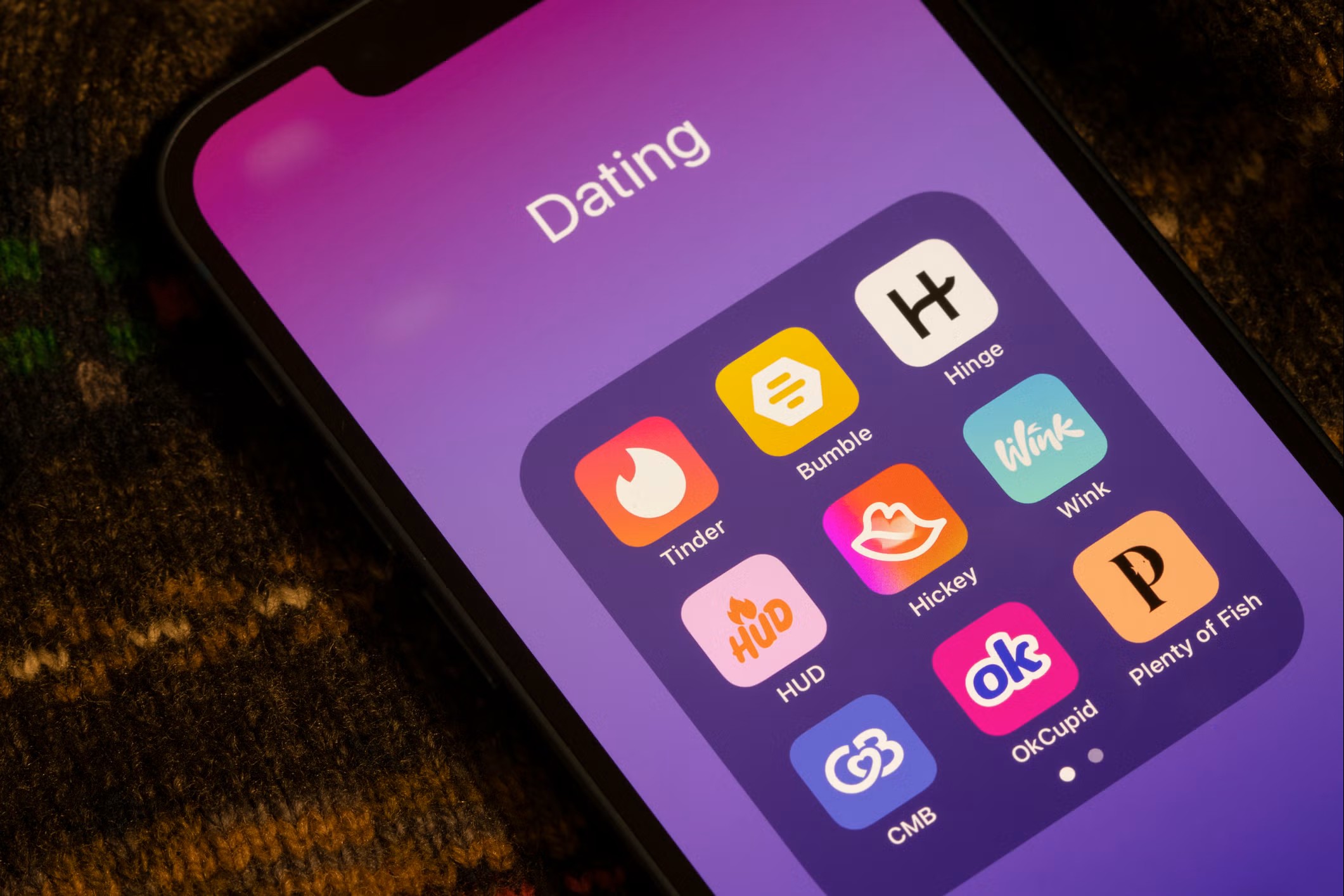
The promise of finding love has never been easier to fulfil, or easier to exploit. With a smartphone, an internet connection and a carefully constructed profile, a stranger can enter another person’s emotional world within minutes. Dating applications have transformed how people meet, but they have also created new opportunities for deception, manipulation and predatory behaviour.
A recent investigation by Daily Nation into an alleged Nigerian predator accused of using Tinder to lure Kenyan women provides a disturbing illustration of how romance can become a gateway for exploitation. The allegations should, of course, be treated as allegations unless and until established through due legal process. Nevertheless, the case raises important questions about digital relationships and the vulnerability created when strangers are allowed into our lives on the strength of a profile photograph and a few persuasive messages.
The most troubling lesson is that predatory behaviour does not always look threatening at the beginning. A predator rarely introduces himself by announcing his intentions. He may instead appear charming, attentive, generous, educated, successful or emotionally available. He understands that trust is easier to exploit when it has first been earned.
Dating applications provide an ideal environment for this kind of manipulation. Users generally join these platforms because they want companionship, friendship, romance or marriage. Consequently, they approach conversations with a degree of openness. When someone appears interested, compliments them and shares apparently personal information, the interaction can quickly feel intimate. But familiarity created through a screen is not necessarily genuine familiarity.
One of the most important warning signs is speed. Genuine relationships do not have to follow a predetermined timetable. When a stranger insists on meeting almost immediately, pressures someone to move conversations off the platform or attempts to establish intense emotional intimacy before trust has developed, caution should replace excitement. Speed can be a deliberate tactic. The less time a potential victim has to verify a person’s identity, background and intentions, the greater the opportunity for deception.
ALSO READ:
Wetang’ula challenges TSC to prioritise rural schools in teacher deployment
Another danger is the creation of a carefully manufactured identity. A photograph can be stolen. A profession can be invented. A nationality, address, educational background or family story can be fabricated. Even photographs of apparently luxurious lifestyles may not prove that the person actually owns what appears in the images. This is why digital romance requires a distinction between conversation and verification. Someone may sound convincing without being truthful.
The responsibility for safety, however, should not be placed entirely on women. Men can also become victims of online romance scams, blackmail, robbery and other forms of exploitation. The underlying issue is vulnerability, not gender. Anyone meeting a stranger from the internet should exercise reasonable precautions.
The first meeting should therefore never take place in an isolated location. A public restaurant, shopping centre or other busy venue provides greater security than a private residence, hotel room or unfamiliar location. A trusted friend or relative should know where the meeting is taking place, who the person is and when the meeting is expected to end.
There is also nothing unreasonable about independently verifying someone’s identity. A genuine person who understands the risks of online dating should appreciate sensible caution. Refusal to answer basic questions, anger at reasonable verification requests or attempts to make the other person feel guilty for being cautious should themselves be regarded as warning signs.
Another important safeguard is financial independence. A person met online should not quickly be given money, expensive gifts, access to bank accounts, mobile-money services, passwords or other sensitive information. Romance should never become a shortcut to financial access. The same principle applies to personal information. A new online acquaintance does not need to know everything about someone’s home, workplace, family, income, daily routine or possessions. Information that appears harmless in a romantic conversation can become useful to someone with malicious intentions.
The Tinder investigation also reminds society that technology itself is neither inherently good nor bad. Dating applications are tools. Millions of people use them legitimately and form meaningful relationships. The problem arises when technology makes it easier for dishonest individuals to conceal their identities and approach multiple potential victims.
Dating platforms therefore have a responsibility beyond merely connecting users. Strong identity verification, effective reporting mechanisms, rapid investigation of complaints and meaningful consequences for abusive users are essential. Users should also understand how privacy settings, blocking functions and reporting systems work before they begin meeting strangers.
Families and schools have a role as well. Digital literacy should no longer be restricted to teaching young people how to operate computers or use social media. It must include digital safety, identity verification, online manipulation, privacy, consent and financial security. Parents should be able to discuss online relationships with their children without immediately resorting to condemnation. A young person who fears punishment may hide a dangerous relationship until the situation becomes serious. Open communication can provide an early warning system.
Murkomen urges student leaders to take an active role in shaping Kenya’s future
The wider society must also stop equating caution with cynicism. Being careful does not mean refusing to trust people. It means recognising that trust should develop gradually and be supported by evidence.
Perhaps the most important lesson from the investigation is simple: chemistry is not evidence of character. A person can be charming and dishonest. They can be generous and manipulative. They can appear vulnerable while exploiting someone else’s vulnerability. They can say all the right things while concealing entirely different intentions.
Online dating can produce genuine companionship, love and marriage. But the desire for love should never suspend the instinct for self-protection. Before meeting the person behind the profile, verify. Before sharing sensitive information, think. Before sending money, stop. Before meeting privately, tell someone. And whenever something feels rushed, secretive or inconsistent, step back.
In the digital age, the first rule of romance should perhaps be the same as the first rule of life: trust, but verify.
Ashford is a teacher of English and Literature and writes on education and social affairs.
You can also follow our social media pages on Twitter: Education News KE and Facebook: Education News Newspaper for timely updates.
>>> Click here to stay up-to-date with trending regional stories
>>> Click here to read more informed opinions on the country’s education landscape
>>> Click here to stay ahead with the latest national news.