- The Basic Education Bill, 2025 has proposed cutting Boards of Management membership from 17 to nine members and has introduced a formal alumni seat on every institution’s board.
- The Bill has reduced parent representation from six to two members and has removed direct board seats for teaching staff and student councils, replacing them with alternative engagement channels for students.
- The reforms have set three-year board terms with one renewal, established five-member executive committees, and required boards to meet at least once every four months.
Kenya is set for a major overhaul of governance in public basic education institutions, with former students in line to receive formal representation on school Boards of Management (BOMs) for the first time under the Basic Education Bill, 2025, currently before the National Assembly’s Committee on Education.
Under the proposed legislation, every basic education institution would be permitted to establish an alumni association, with one nominee from that association sitting on the institution’s Board of Management.
This creates an official channel through which former students can formally contribute expertise, professional networks, mentorship, fundraising and other institutional support, a shift from the current arrangement, where alumni support schools only through informal associations and individual initiatives, without a designated seat on the statutory management board.
Board membership cut from 17 to nine
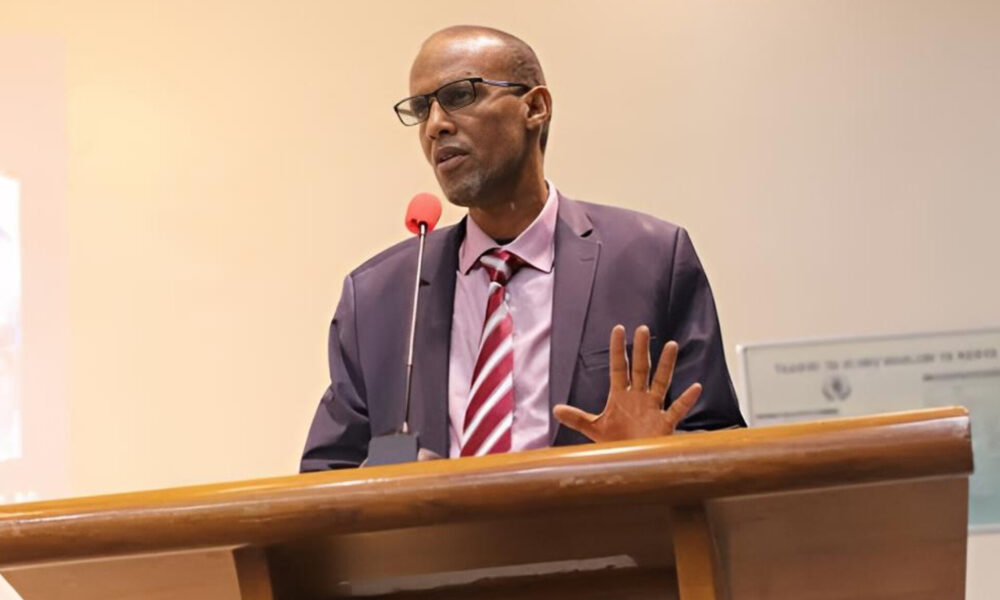
The Bill also proposes cutting the maximum membership of a Board of Management from 17 members to nine. Education Ministry Director-General Dr Elyas Abdi, appearing before the National Assembly Committee on Education, described some existing boards as excessively large and unwieldy, and said the leaner structure is intended to enhance efficiency and align school governance with the Mwongozo Code of Governance.
The smaller board is also expected to reduce the financial burden associated with board meetings, including sitting allowances and other administrative costs.
Parent representation on BOMs would be reduced from six members to two under the proposed framework, as part of the broader effort to compact the board while retaining a direct voice for parents.
ALSO READ:
Teachers, students to lose formal board seats
The reforms would also remove representatives of teaching staff and student councils from formal board membership. For students, the Bill introduces alternative engagement mechanisms, including suggestion boxes, barazas and interactive forums through which learners can raise concerns and proposals without holding a formal board position.
Under the proposed nine-member structure, reconstituted Boards of Management would comprise representatives of parents, the school’s sponsor, persons with disabilities, professionals, the County Director of Education, the head of the institution, and the institution’s alumni association. The inclusion of professionals reflects the need for expertise in areas such as finance, law, technology, infrastructure, procurement and strategic planning.
Alumni to become formal partners in school development
Many Kenyan schools already have alumni networks made up of professionals in government, business, academia, medicine, law and technology, though engagement with schools has traditionally depended on informal arrangements. By formalising alumni associations and providing a designated board seat, the Bill seeks to institutionalise this relationship, with alumni expected to play a role in mobilising resources, establishing mentorship programmes, supporting career guidance and strengthening links with universities and employers.
Headteachers face Sh1 million fine, jail term over illegal school fees
The Bill proposes that members of the reconstituted Boards of Management serve three-year terms, with the possibility of one renewal. Each board would also establish a five-member executive committee to handle designated responsibilities, and boards would be required to meet at least once every four months.
The proposed changes come as Kenya’s education system undergoes structural reforms under the Competency-Based Education framework, with schools taking on expanded responsibilities and communities pushing for greater accountability in school governance.
By Hillary Muhalya
You can also follow our social media pages on Twitter: Education News KE and Facebook: Education News Newspaper for timely updates.
>>> Click here to stay up-to-date with trending regional stories
>>> Click here to read more informed opinions on the country’s education landscape