- The Kalenjin Koito ceremony brings two families together through marriage, tradition, negotiation and shared responsibility.
- Ashford Kimani explores how elders, bridewealth, hospitality and family bonds give the ceremony its deeper meaning.
- Despite changing lifestyles, Koito continues to offer lessons about commitment, belonging, cultural identity and community.
The Koito ceremony is a traditional Kalenjin marriage ceremony, particularly associated with the Nandi, Kipsigis, Tugen and other Kalenjin communities. It is more than a celebration of two people falling in love. At its deepest level, Koito is a ceremony of families, ancestry, social recognition and covenant.
In an age when marriage is increasingly presented as a private arrangement between two individuals, the Kalenjin Koito ceremony stands as a powerful reminder that marriage was never merely about two people. It was about families, ancestry, responsibility, community and the solemn transfer of trust from one generation to another.
Koito is not simply a colourful traditional ceremony preceding a wedding. It is a declaration that love has moved beyond private emotion and entered the larger world of family and society. It is where two families sit across from each other, speak openly, negotiate respectfully and ultimately agree to become connected through the lives of two people.
The power of Koito lies in its understanding that no human being exists entirely alone. A person is born into a family, raised by a community and shaped by generations whose sacrifices made the present possible.
When that person marries, therefore, the consequences extend beyond the couple. A new relationship is created between families that previously may have had little or no connection.
This is why the gathering of relatives and elders matters. Their presence gives the marriage social meaning. They are witnesses to a transition that is both deeply personal and profoundly communal.

Traditionally, the coming together of the two families is conducted with seriousness and dignity. The groom’s family does not simply arrive to claim a bride. They arrive to introduce themselves, acknowledge the bride’s family and begin a relationship founded on respect.
The bride’s family, in turn, receives them, listens to them and participates in the discussions that will define the new relationship.
Beneath the greetings, speeches, negotiations and laughter is a serious cultural message: we are not strangers anymore. Our children have chosen one another, and their decision has created a bond between us.
Elders as custodians of wisdom
This is where the wisdom of elders becomes indispensable.
In many modern weddings, the older generation can appear almost ceremonial, present mainly for photographs and formalities. In Koito, however, elders have traditionally been custodians of knowledge.

They understand the customs, remember the history of families and possess the authority to speak about responsibilities that young people may not yet fully appreciate.
Their participation is a reminder that marriage should not be entered into with excitement alone. Romance may bring two people together, but patience, discipline, forgiveness, honesty and responsibility are what keep a household together.
The advice of elders therefore carries a deeper significance. They are effectively telling the couple that marriage will not always be a celebration.
There will be sickness, financial pressure, disagreements, disappointments and seasons when affection is tested by circumstances. There will be children to raise, relatives to accommodate and difficult decisions to make.
The couple is being reminded that love is not simply a feeling experienced during good times. It is a commitment that must survive bad times.
That is one of the most powerful lessons embedded in the philosophy of Koito.
Bridewealth, another traditional component of Kalenjin marriage, must also be understood within its cultural context rather than through simplistic modern interpretations.
It was not intended merely as a price placed upon a woman. At its deepest level, the exchange symbolised recognition of the bride’s family and the establishment of a relationship between two families.
In societies where cattle carried enormous economic and cultural significance, livestock represented wealth, continuity and social responsibility.
What mattered was not merely the material object exchanged but the relationship created through the exchange.
Tradition in a changing society
Modern circumstances have inevitably changed the practice.
Families live in cities, young people marry across ethnic boundaries, economic realities are different and many couples combine traditional ceremonies with Christian or civil marriages.
These changes should not automatically be interpreted as the death of tradition. A living culture is not a museum exhibit. It changes, negotiates and adapts.
What matters is whether its fundamental values remain meaningful.
And those values remain remarkably relevant.
The hospitality associated with Koito reinforces the idea that marriage is a communal event.
People eat together, talk together, laugh together and sometimes sing and dance together. Those simple acts are culturally significant because sharing food breaks barriers.
People who arrived as strangers leave as relatives.
Conversations that begin formally become personal. Families discover one another’s histories and personalities.
The ceremony therefore does something that paperwork cannot do: it creates emotional and social familiarity.
For the bride’s family, Koito can be particularly profound. A daughter is entering a new household, but she is not being erased from the family that raised her.
The ceremony ideally creates a bridge between the two homes. The groom’s family acquires a daughter-in-law, while the bride’s family gains another family through marriage.
The relationship should not be one of ownership but one of mutual responsibility and respect.
This is also why Koito can be understood as a ceremony of trust.
The bride’s family entrusts their daughter to another family. The groom’s family accepts the responsibility of welcoming and protecting her.
The couple, meanwhile, accepts responsibility for building a household that honours both families.
Such trust cannot be reduced to legal documents. It is a moral obligation.
Perhaps this is where Koito speaks most powerfully to contemporary society.
Modernity has given individuals greater freedom to choose whom they love and whom they marry, and that freedom is valuable. But individual freedom does not eliminate responsibility.
If anything, greater freedom demands greater maturity.
A marriage may begin with personal choice, but its success depends upon the ability of two people to understand that their choices affect others.
A ceremony of belonging
The ceremony also carries an important intergenerational message.
Young people may sometimes regard traditional customs as relics of a disappearing world, yet ceremonies such as Koito demonstrate that cultural memory has practical value.
Through them, children and young adults encounter the language, etiquette, values and histories of their communities.
They see elders performing roles that cannot be replicated by social media or technology. They learn that identity is not something invented overnight; it is inherited, interpreted and passed forward.
Yet Koito should not be romanticised as though every historical practice must remain untouched.
Some traditions have been modified because society has changed, and some deserve to be questioned where they conflict with equality, individual dignity or contemporary law.
Preserving culture does not mean freezing it in time. The challenge is to separate the enduring wisdom of tradition from practices that belong to a different historical context.
The enduring wisdom of Koito is clear: marriage is a covenant of responsibility.
It is a promise not only to love but to endure, not only to celebrate but to sacrifice, not only to receive but to give.
It insists that families matter and that relationships require maintenance. It reminds the young that the people who raised them do not suddenly become irrelevant when they fall in love.
Perhaps, ultimately, Koito is best understood as a ceremony of belonging.
Two people may stand at its centre, but behind them stand parents, grandparents, relatives and generations of ancestors whose stories have shaped who they are.
When the two families meet, it is more than a social gathering.
It is the meeting of two histories.
That is why Koito deserves to be understood beyond the clothes, food, songs, gifts and photographs that often dominate contemporary celebrations.
Beneath the spectacle is a serious philosophy of human relationships.
It says that love must eventually become responsibility; that freedom must eventually meet commitment; and that marriage is strongest when it creates bridges rather than walls.
In the end, Koito tells a simple but profound story: two people may fall in love, but a successful marriage requires an entire community of relationships to be treated with care.
The ceremony is therefore not merely a farewell to the bride’s old life or a welcome into a new home. It is a public declaration that two families have agreed to share a future.
READ ALSO: KSSSA releases 2026 national games pools ahead of showdown at MPESA Academy
And in a world increasingly obsessed with the individual, that may be one of Koito’s most important lessons: love begins with two people, but marriage becomes meaningful when it learns how to embrace a whole community.
By Ashford Kimani
Ashford is a teacher of English and Literature and writes on education and social affairs.
You can also follow our social media pages on Twitter: Education News KE and Facebook: Education News Newspaper for timely updates.
>>> Click here to stay up-to-date with trending regional stories
>>> Click here to read more informed opinions on the country’s education landscape
Photo caption
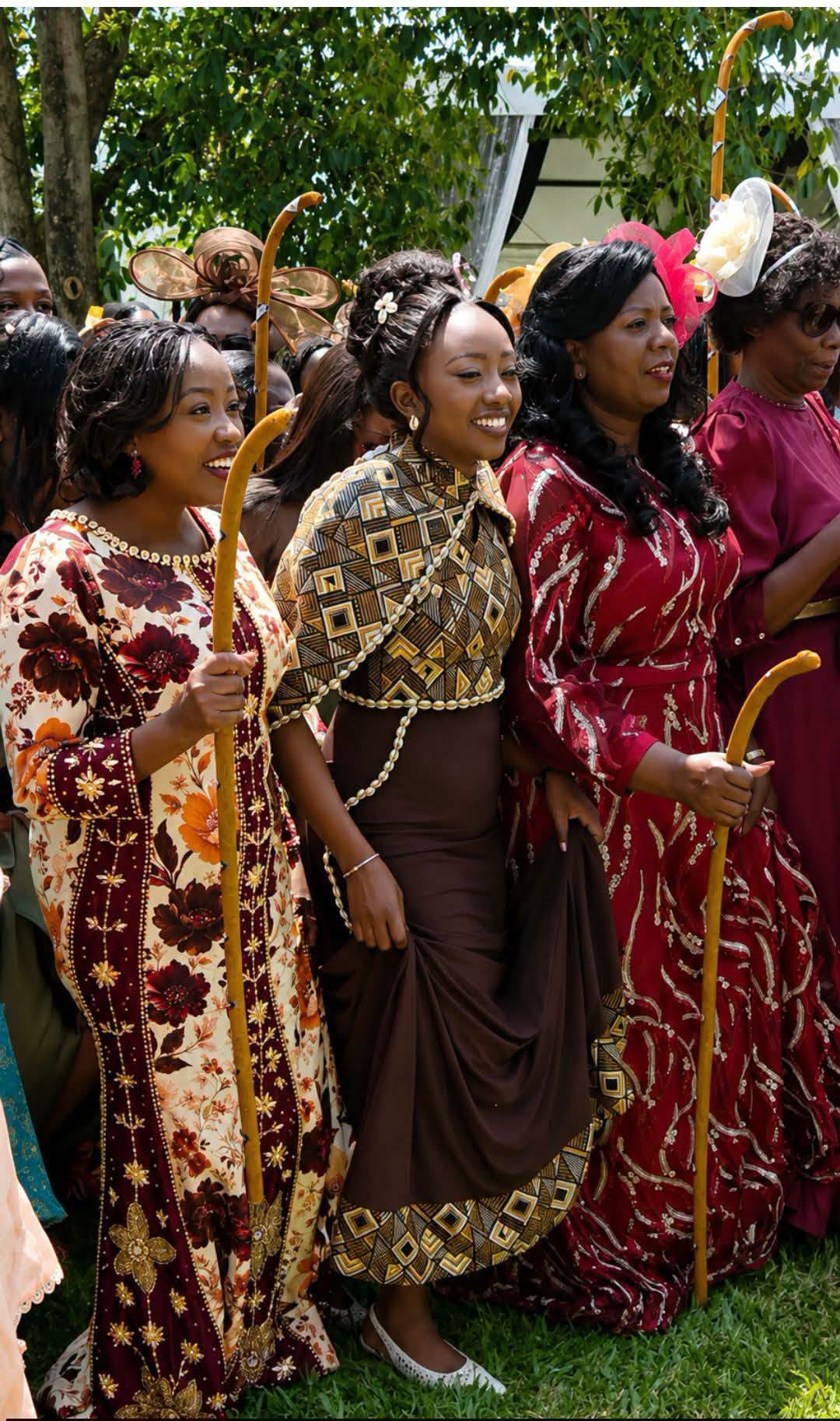
Family members and elders participate in a traditional Kalenjin Koito ceremony. The marriage ceremony brings two families together through negotiation, cultural traditions, advice and shared responsibility.