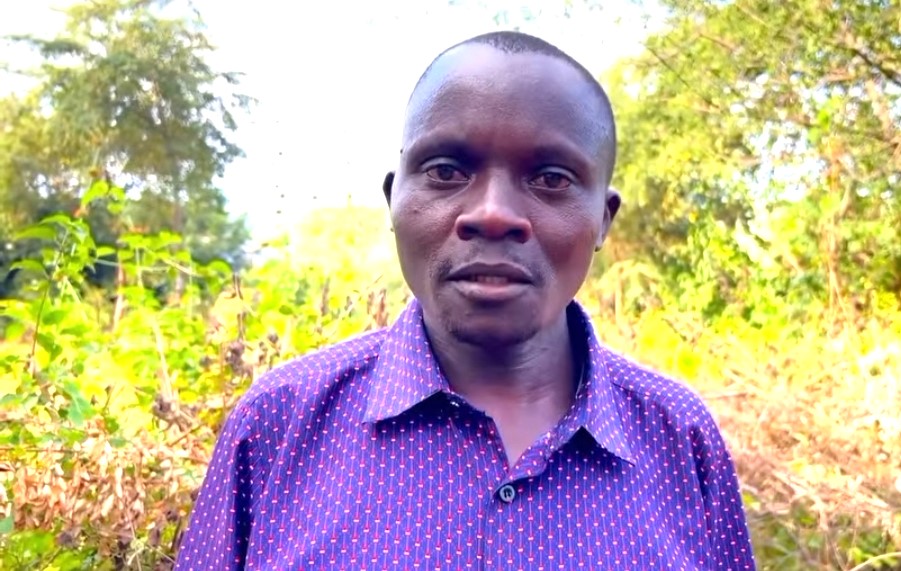
- Ashford Kimani reflects on the life of Dr Vijoo Rattansi, whose philanthropy transformed education and created opportunities for countless deserving students.
- He recounts a personal encounter with the Rattansi Educational Trust to illustrate the compassion and dignity that defined her legacy.
- The article argues that Dr Rattansi’s greatest wealth lay not in what she possessed, but in the futures she helped build through education.
There are people whose wealth is measured by the size of their businesses, the value of their investments or the magnitude of the fortunes they leave behind. Then there are those whose wealth is remembered through the lives they touched, the doors they opened and the dreams they helped to sustain. Dr Vijoo Rattansi belonged to the latter category. She understood that wealth could be more than inheritance, comfort or private success. In the right hands, it could become a bridge across poverty, a lamp in the darkness and a ladder by which young people could climb towards a better future.
Her passing has left a profound void in Kenya’s educational and philanthropic landscape. Yet her legacy is unlikely to disappear with the closing of a chapter in her life. It will continue in lecture halls, classrooms, offices, hospitals, courtrooms, laboratories and communities across the country. It will live in the stories of students who remained in school because someone believed their education was worth supporting. It will endure in graduates whose lives changed because opportunity arrived when financial hardship threatened to silence their ambitions.
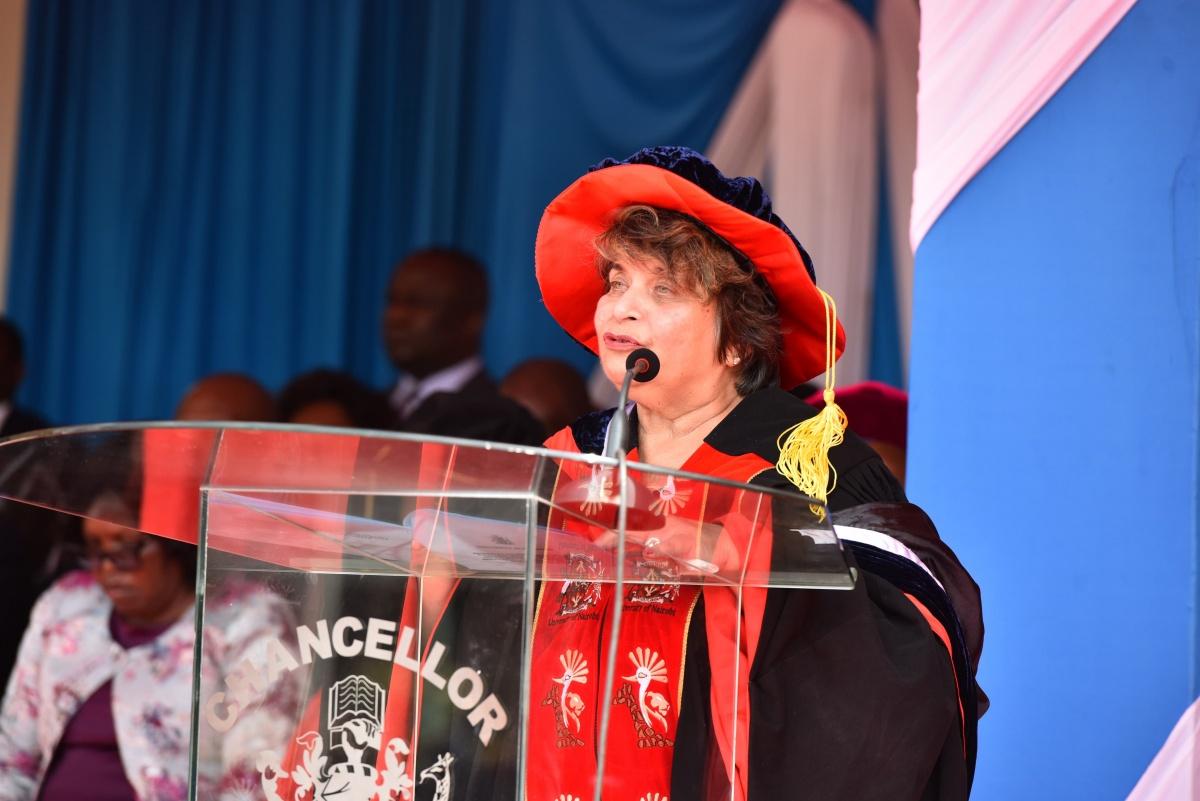
Dr Rattansi was a philanthropist, educationist and institutional leader whose service extended beyond personal generosity. As the first woman to serve as Chancellor of the University of Nairobi, she broke an important barrier and occupied one of the most distinguished positions in Kenya’s academic life. Her appointment was more than a personal achievement. It was a statement about women’s leadership, intellectual service and the place of women at the highest levels of national institutions.
For a decade, she served the University of Nairobi with distinction, becoming part of the institution’s long and influential history. The university has produced scholars, writers, public servants, professionals, entrepreneurs and leaders who have shaped Kenya and the wider world. To serve as its Chancellor was to carry a responsibility that stretched beyond ceremonial duties. It was to stand as a guardian of academic aspiration and a symbol of the value that society places on knowledge.
Yet perhaps the most intimate part of Dr Rattansi’s legacy was found beyond the grandeur of university ceremonies and official titles. It was in the quiet work of the Rattansi Educational Trust, through which many needy and deserving students received support to pursue their education. Scholarships are sometimes discussed in figures, budgets and institutional reports, but behind every scholarship is a human story. There is a student worrying about unpaid fees, a parent struggling to raise school fees, a family wondering whether education will have to end prematurely and a young person carrying dreams that appear larger than the resources available to sustain them.
For such a student, assistance is never merely financial. It is reassurance. It is dignity. It is the restoration of hope.
A lesson in dignity
I remember this truth from a personal encounter many years ago. As a young undergraduate student at the University of Nairobi, studying English and Literature, I wrote to the Rattansi Education Board seeking financial assistance. Like many students, I understood the weight of educational need and the uncertainty that often accompanies life at the university. I hoped that my appeal might receive consideration and perhaps provide relief from the financial pressures surrounding my studies.
The Board did not come to my financial rescue. My request was unsuccessful. Yet what I remember most vividly is not the disappointment. It is the response. The Rattansi Education Board wrote back.
They acknowledged my letter and communicated their regret that they could not assist me. It may have been a brief letter, perhaps one among many responses sent to applicants, but it carried a quiet dignity that has remained with me over the years. They could have ignored my appeal. They could have allowed my letter to disappear into silence. Instead, they recognised that there was a young student behind the request — a person who deserved an answer, even when the answer could not be favourable.
That small act revealed something important about the culture of service associated with the Rattansi name. Philanthropy is not measured only by the money given. It is also expressed through courtesy, humility and the willingness to treat people with respect. Sometimes, when help cannot be offered, acknowledgement itself becomes an act of human consideration.
For a young student, silence can feel like invisibility. A response, even one carrying regret, says: “We received your request. We heard you. Your appeal was not ignored.”
That memory has remained with me because it demonstrated that institutions can preserve dignity even when their resources are limited or their decisions cannot satisfy every applicant. Dr Rattansi’s legacy, therefore, may also be found in these quieter moments — in the values that shaped how people were treated and in the belief that every appeal deserved to be met with humanity.
Education as a lasting legacy
Education was clearly central to her understanding of social responsibility. She recognised that academic opportunity could transform not only an individual but also an entire family. A student who completes university may become the first graduate in a household. That graduate may secure employment, support siblings, educate children and contribute to the development of a community. The impact of one educational opportunity can travel across generations.
This is why educational philanthropy possesses such enduring power. A donation may address an immediate need, but education creates capacity. It equips people with knowledge, skills, confidence and the ability to shape their own futures. It turns recipients of assistance into contributors to society. In this sense, every scholarship is a seed planted in the future.
Dr Rattansi also demonstrated that privilege could be transformed into public purpose. Family wealth can remain enclosed within private comfort, but she helped to direct it towards the wider good. She used influence and resources to expand opportunity for people who might otherwise have remained outside the gates of higher education. Her life invites those blessed with success to consider a larger question: What can our prosperity make possible for others?
The answer to that question may be found in the many lives touched by the Rattansi Educational Trust. Some beneficiaries may never have met Dr Rattansi. Some may know her only through a scholarship, a fee payment or the name attached to an educational opportunity. Yet her generosity became part of their personal histories. Their achievements, careers and contributions are now woven into her legacy.
A wealth that lifted others
As Kenya mourns Dr Vijoo Rattansi, it should also celebrate the vision she represented. She showed that leadership could be compassionate, that wealth could serve a national purpose and that education could become one of the most meaningful gifts a person leaves behind.
Her greatest memorial may not be a monument of stone. It may be the graduate who once feared dropping out. It may be the professional whose education was made possible through support. It may be the family whose future changed because one child was given an opportunity. And perhaps, in a quieter way, it may also be be remembered in a regret letter sent to a young undergraduate — a letter that carried no money but still carried respect.
Dr Vijoo Rattansi turned wealth into a ladder of learning. Many climbed it. Others, like me, may not have received the assistance we sought, but we were not left unheard.
READ ALSO: Let talent win: Why teachers must never manipulate outcomes in games, music, drama and talent competitions
That, too, is part of her legacy.
May she rest in peace. May the institutions and lives she touched continue to honour her memory. And may those who inherit wealth, influence and opportunity learn from the example she left behind: that the most meaningful riches are not merely those we possess, but those we use to lift others.
By Ashford Kimani
Ashford is a teacher of English and Literature who writes on education and social affairs.
You can also follow our social media pages on Twitter: Education News KE and Facebook: Education News Newspaper for timely updates.
>>> Click here to stay up-to-date with trending regional stories
>>> Click here to read more informed opinions on the country’s education landscape