-
Hellen Ajiambo Mukanda, an Executive Director of Grow Against Poverty, Kenya, is making a significant impact on learners in Busia County, by addressing deep-rooted challenges such as long distances to school, inadequate sanitation, and lack of basic learning facilities.
-
Drawing from her upbringing in Nambale Sub-county, and education at Kaimosi Girls High School, she has introduced interventions including bicycle support programs, menstrual hygiene facilities, water infrastructure, and school-based nutrition and agriculture projects.
Learners in Busia County, continue to face significant challenges that affect access to quality education. A survey across the county reveals widespread shortages of basic school facilities, including clean drinking water, inadequate sanitation infrastructure, and proper recreational spaces. In many schools, learners are forced to study in environments that pose both health and learning difficulties.
The situation is further compounded by the fact that most learners are day scholars who must walk long distances to and from school. The combination of poor infrastructure, health risks, and fatigue has contributed to uneven academic performance, leaving many learners disadvantaged through no fault of their own.
It is against this backdrop that the work of Hellen Ajiambo Mukanda has gained prominence. A native of Nambale Sub-county, Mukanda is the Executive Director of Grow Against Poverty, Kenya, an NGO focused on combating poverty through community-based interventions, with education at the centre of its work.
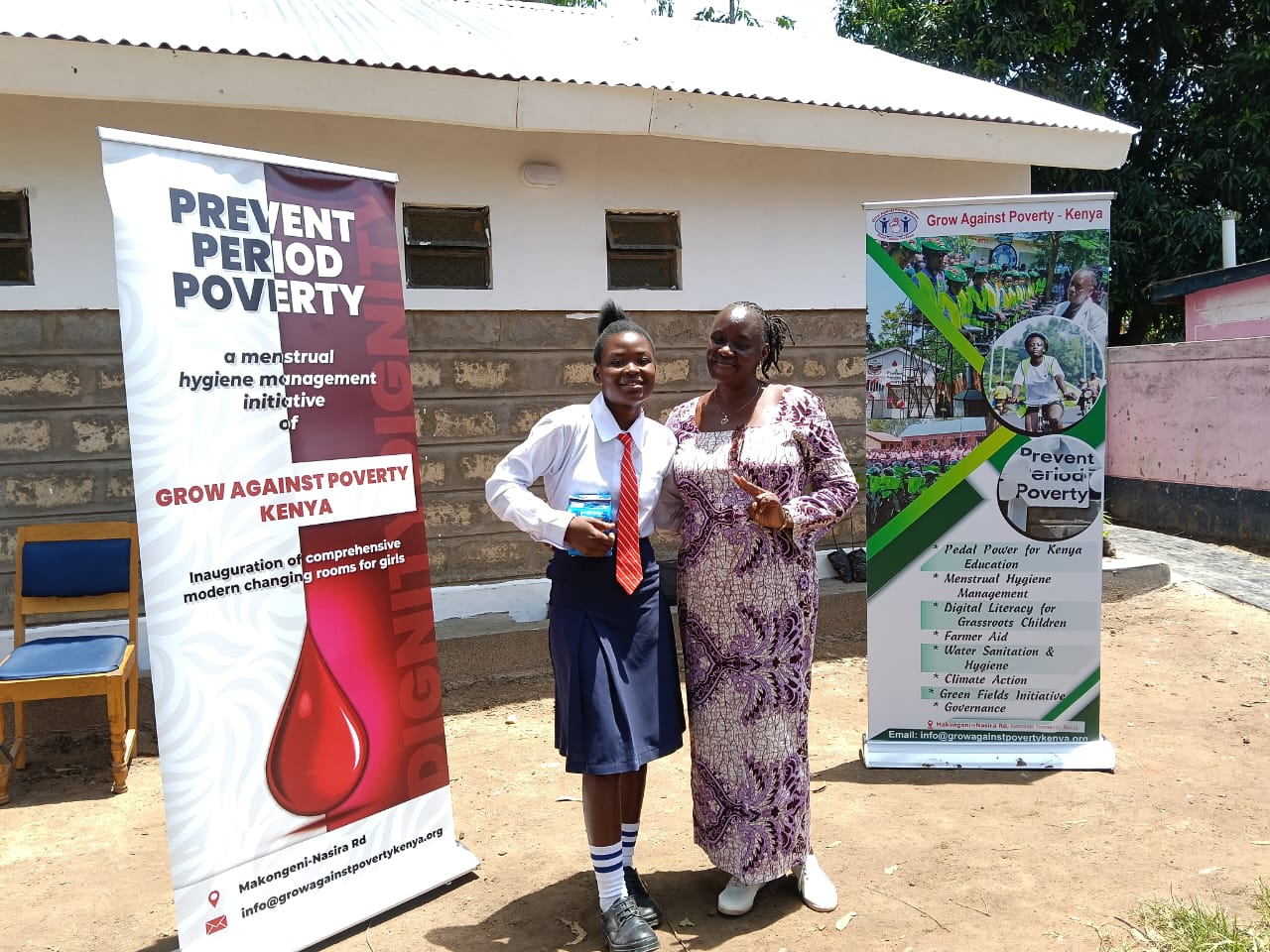
Born and raised in Nambale, Mukanda says her personal experience shaped her understanding of the challenges facing learners in the region. She studied locally before joining Kaimosi Girls High School for her secondary education.
“I was born and bred right here in Nambale. I went through the same system and understand the difficulties learners face,” she says.
ALSO READ:
Parents’ uproar over unfair school readmission conditions after reopening
Mukanda’s organisation prioritises improving both access to education and the quality of the learning environment. She argues that addressing poverty at the learner level has a ripple effect on families and communities.
“My focus is the learner. When you support a child, you support an entire household and community,” she explains.
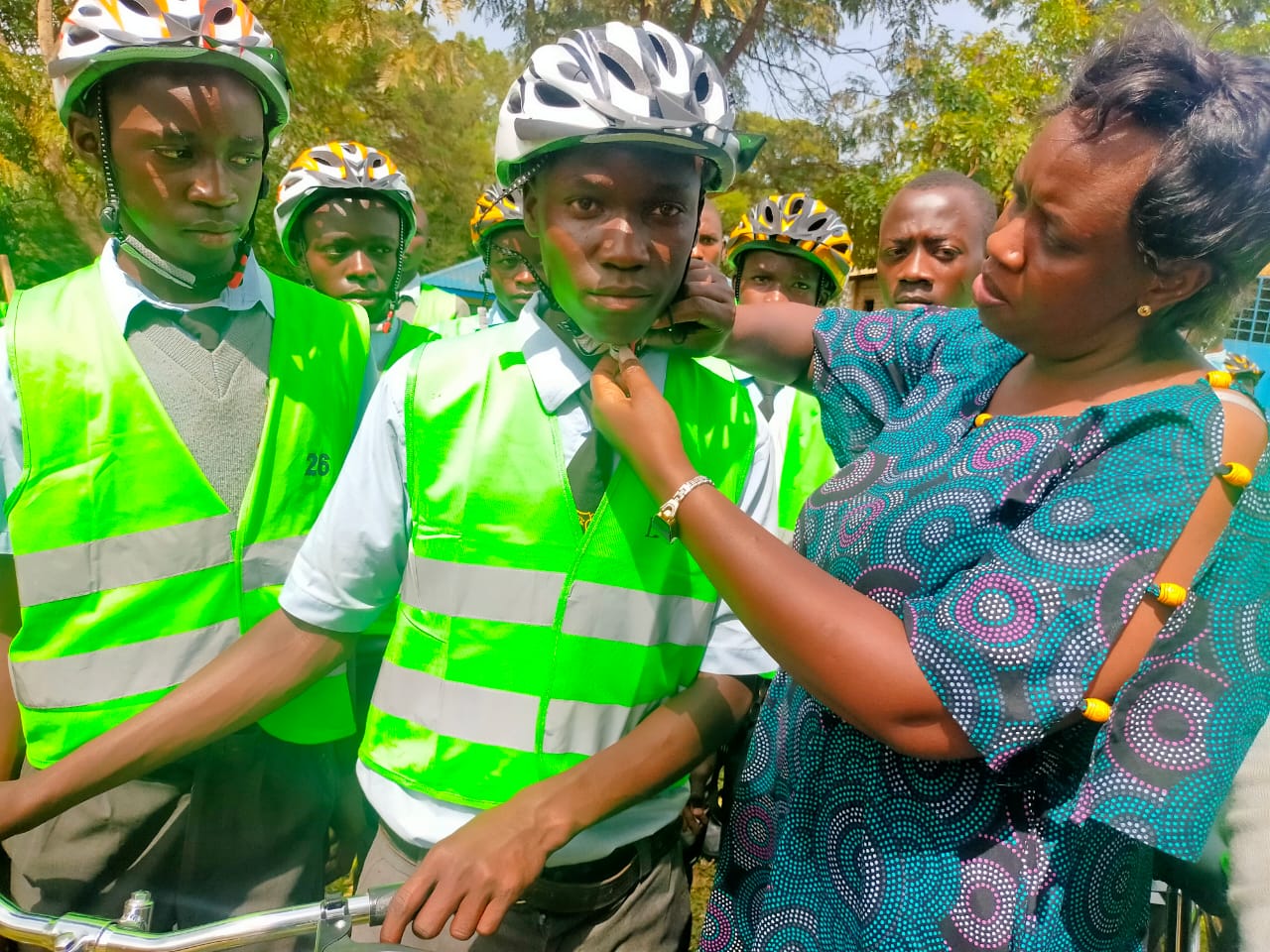
One of her flagship interventions is the provision of bicycles to learners who travel long distances to school. Through the programme, targeted students receive bicycles to ease mobility challenges, improve punctuality, and reduce exhaustion.
“We identify the most affected areas and support learners who walk the longest distances,” she says. “The impact has been significant. Children now arrive at school on time and with less strain.”
However, Mukanda acknowledges that demand far outweighs available resources, limiting coverage. She notes that beneficiaries are selected based on need, particularly in areas with limited school options.
Beyond transport support, her organisation has also invested in improving the dignity and welfare of learners, especially girls. This includes the construction of modern sanitation and changing facilities equipped with toilets, private cubicles for menstrual hygiene management, and supplies such as sanitary pads and menstrual cups. In some schools, incinerators have also been installed.
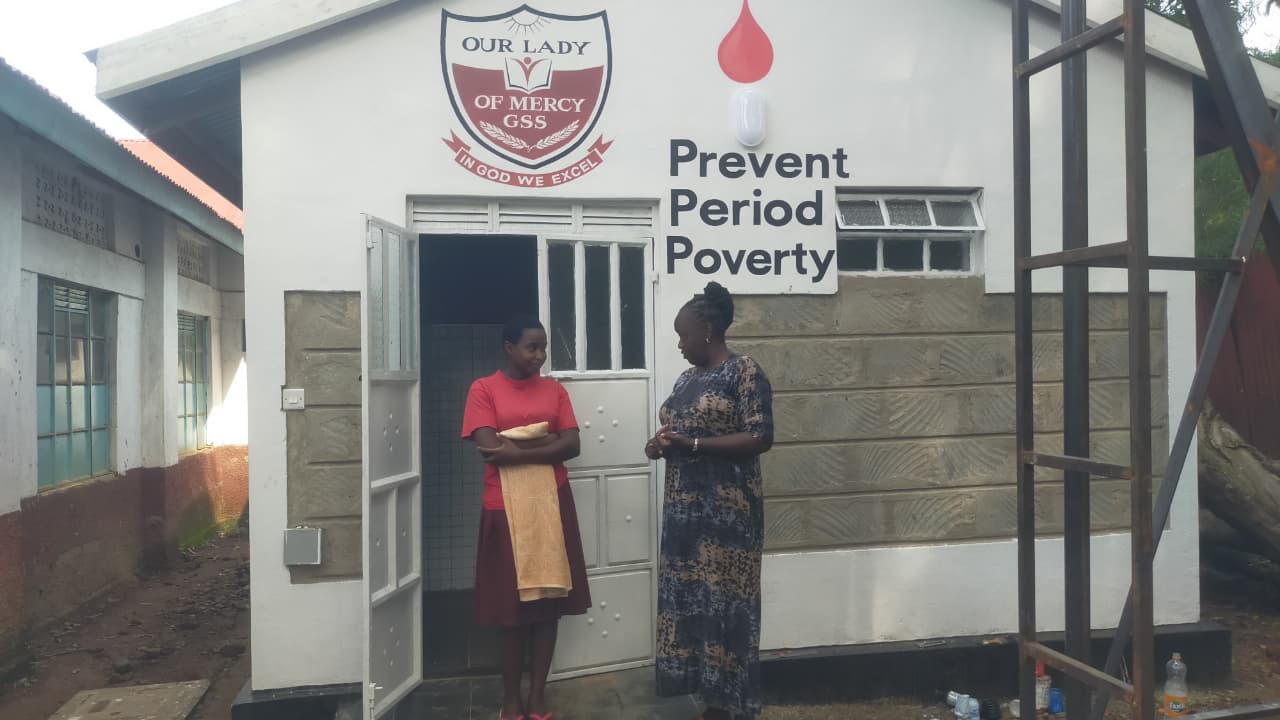
For boys, the organisation provides essential clothing items, including undergarments, as part of efforts to support learner dignity.
Mukanda’s work extends into health and environmental education. She facilitates school-based health talks and promotes physical activity through the annual “Cycling for Climate” initiative. The event encourages learners to embrace cycling as a healthier and more sustainable means of transport while also raising awareness on environmental conservation.
“We want children to grow up understanding the importance of physical activity and environmental protection,” she says. “Planting trees and embracing cycling are part of that vision.”
During the event, learners and schools also receive tree seedlings to support reforestation efforts. Mukanda regularly follows up on these projects, visiting schools to observe progress and encourage sustained care of planted trees.
She also champions school-based agriculture through the “Green Fields Initiative,” which promotes organic vegetable farming within schools and surrounding communities. The programme provides initial farm inputs and training, enabling some schools and families to produce food for consumption and, in some cases, income generation to support household needs.
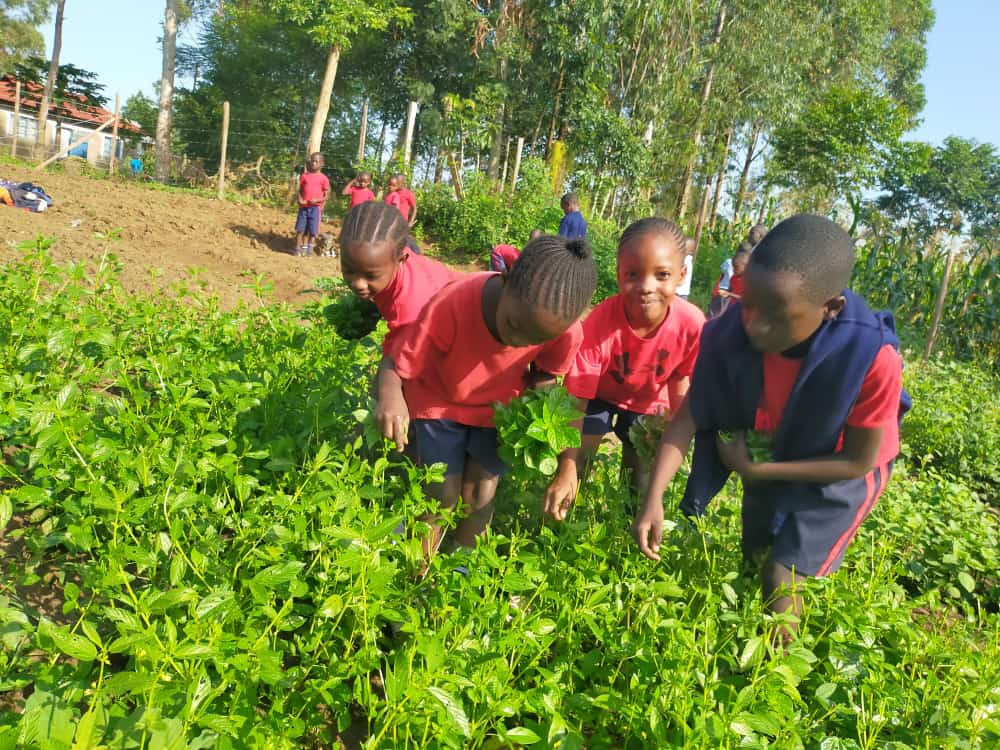
Additionally, her organisation has supported the installation of water tanks and solar-powered pumps in several schools, improving access to clean water and supporting sanitation and farming projects.
Schools that have benefited from these interventions include Kaliwa, Canon Awori Senior, St. Joseph’s Musokoto, St. Mary’s Nambale Senior, and Mabunge R.C., among others. Mukanda estimates that more than 11,000 learners across Teso South Sub-county, Kenya, Nambale, and Matayos have benefited from the programmes.
ALSO READ:
Uzima varsity students defend accreditation status, demand withdrawal over standards reports
In recognition of her contribution to education and community development, Mukanda was awarded a Head of State Commendation (HSC). She says her mission remains far from complete and continues to call on partners and stakeholders to support efforts aimed at improving learning conditions in Busia and beyond.
“I will continue doing as much as I can for learners. There is still a long way to go,” she says.
By Charles O. Okoth
You can also follow our social media pages on Twitter: Education News KE and Facebook: Education News Newspaper for timely updates.
>>> Click here to stay up-to-date with trending regional stories
>>> Click here to read more informed opinions on the country’s education landscape