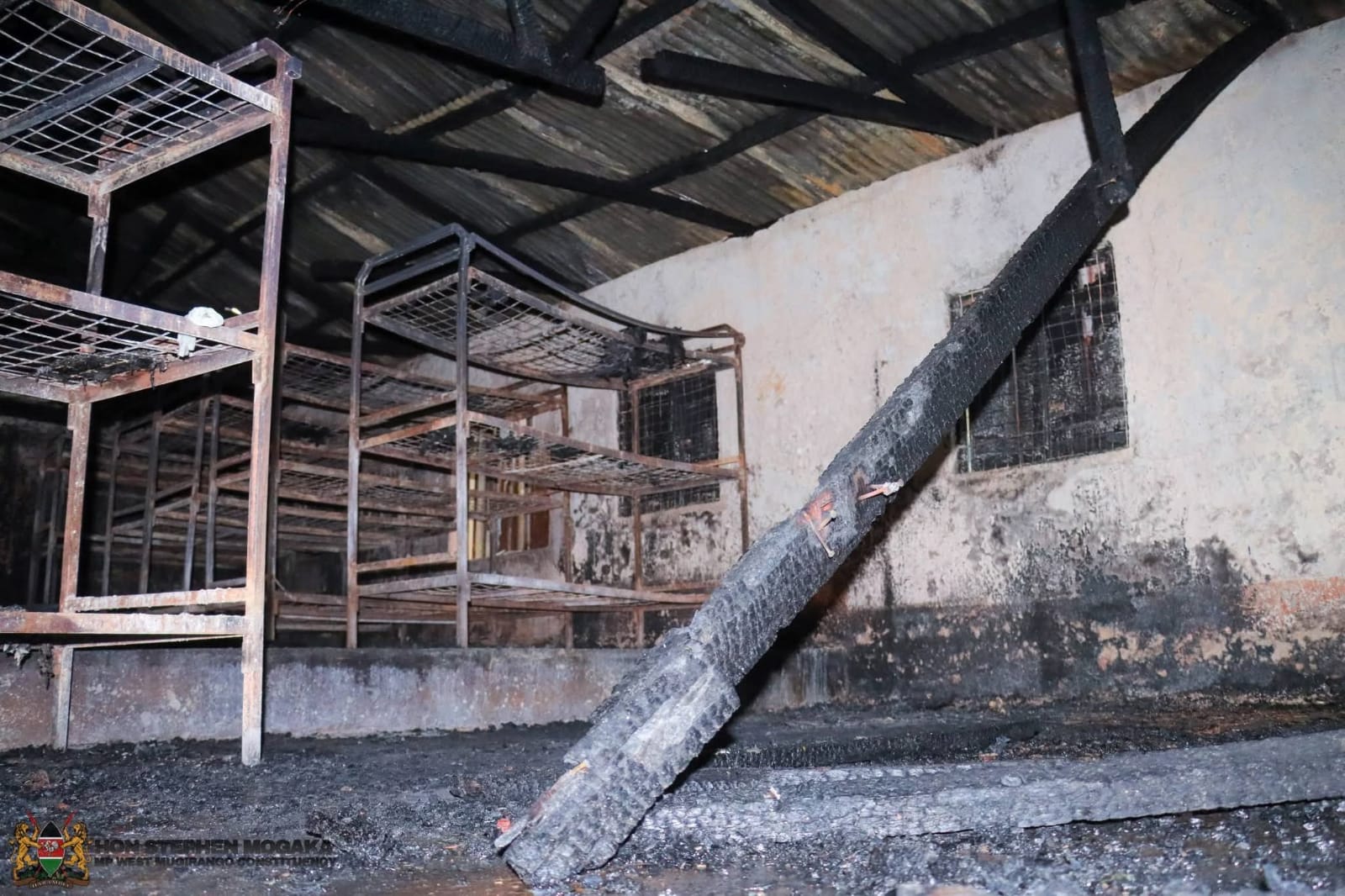
Two school fire incidents in Kisii and Nyamira counties within 48 hours have reignited fears over student safety and exposed gaps in emergency preparedness across the region.
At Sameta Boys High School in Kisii County, a dormitory was gutted by fire on 2 June 2026. Eight students sustained injuries, while 151 spent the night in the cold before the school administration arranged temporary accommodation. Gucha Sub-County OCPD Elizabeth Mugambi and Sameta Sub-County Director of Education Mrs. Christine Ongwae confirmed that calm had been restored, and students had since resumed learning and taken part in the ongoing Term 2 inter-secondary school competitions. The cause of the fire remains under investigation.
A day later, on 3 June 2026, Masosa Secondary School in Nyamaiya Ward, Nyamira County, suffered a similar fate. A dormitory housing over 80 students was reduced to ashes, destroying property worth millions of shillings. No students were injured. Nyamira County Commissioner David Leparmoriijo said police had launched investigations into the cause of the inferno. He urged parents to visit the school to ascertain the wellness of their children as part of the healing process.
ALSO READ;
Kenya must put citizens’ safety first in any Ebola quarantine agreement
West Mugirango MP Steve Mogaka, through the NG-CDF office, donated blankets, mattresses, basins and other items to help affected learners remain in school. He also called on the school management to establish a guidance and counselling desk to address trauma among students, teachers and parents.
The back-to-back incidents have alarmed parents, teachers and education stakeholders across the two counties. Many argue that reactive measures after each fire are no longer enough.
Psychologists and counsellors warn that such outbreaks trigger acute stress, trauma and anxiety, often leading to sleep disturbances, withdrawal and poor academic performance if not addressed quickly. They stress that immediate psychosocial support through functional guidance and counselling desks is critical to stabilize learners and prevent long-term mental health effects.
Economists working in education policy add that the economic cost is equally heavy. Beyond the direct loss of property and infrastructure, fires disrupt learning, increase dropout rates and lower future earning potential, amounting to a loss of human capital. They argue that investing in fire prevention measures and counselling services is cheaper than managing the social and economic fallout after an incident.
Religious leaders have also weighed in. Pr Abel Rosana called for quick national prayers to address the arsons and reminded all leaders in the country to search their hearts as parents before more losses of children and property repeat in schools.
“Losing property is worse but it is worst when you lose children who will provide a leaning shoulder at your old age,” he lamented.
Given the rising frequency and impact of these fires, education stakeholders in Kisii and Nyamira are now calling for an urgent regional think tank forum. The proposed forum would bring together county commissioners, education officials, MPs, psychologists, counsellors, economists, security agencies, and school administrators to review the root causes, assess preparedness, and develop a coordinated response plan.
Participants say the forum should push for the declaration of school fire outbreaks as a national disaster. Such a declaration would unlock dedicated emergency funding, fast-track safety audits in all boarding schools, and mandate the installation of fire detection and suppression systems. It would also ensure psychosocial support becomes a standard part of post-incident response rather than an afterthought.
Without decisive and coordinated action, stakeholders warn that Kisii and Nyamira risk losing more learning time, more property, and more trust in the education system. The time for isolated responses is over. The region needs a unified, data-driven strategy to break the cycle before the next dormitory goes up in flames.
By Enock Okong’o
You can also follow our social media pages on Twitter: Education News KE and Facebook: Education News Newspaper for timely updates.
>>> Click here to stay up-to-date with trending regional stories
>>> Click here to read more informed opinions on the country’s education landscape