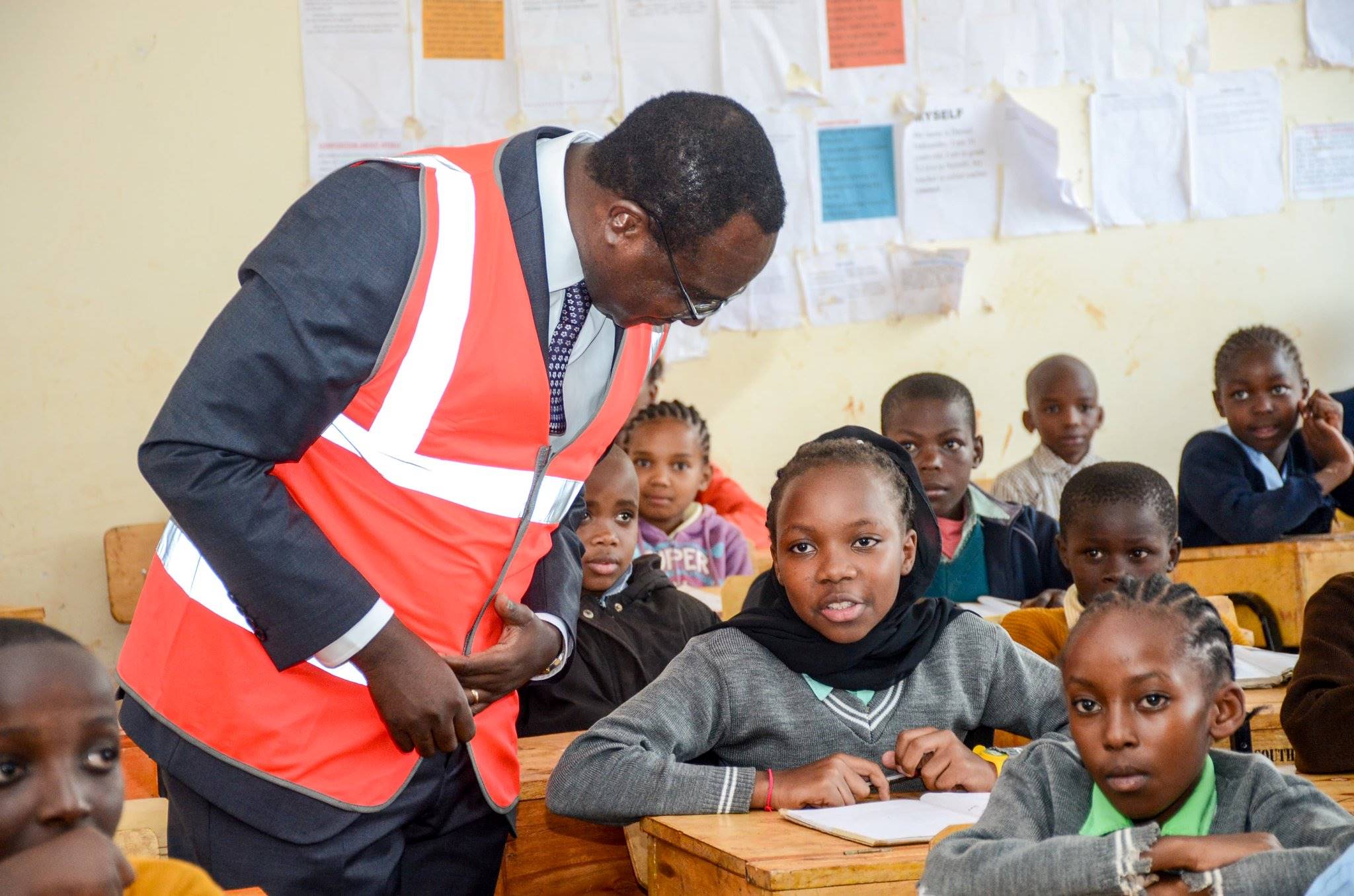
The phrase “Teach and Go Home” has become a familiar refrain in many staffrooms. To some, it represents a reasonable professional boundary – a reminder that teachers are educators, not surrogate parents.
Yet when embraced as a rigid philosophy, it can create dangerous gaps in student care and safety. History has repeatedly shown that education extends beyond delivering lessons; it also involves vigilance, guidance, and protection.
Lessons from Tragedy
The recent dormitory fire at Utumishi Academy, which claimed the lives of innocent students, has reignited difficult questions about responsibility within our schools. Preliminary reports pointed to shortcomings in supervision and safety procedures, raising concerns about whether warning signs were missed or emergency responses delayed. As grieving families sought answers, one question echoed across the country: who was watching over the children when danger struck?
For many Kenyans, the tragedy revived painful memories of the 2001 Kyanguli Secondary School fire, one of the darkest chapters in the nation’s educational history. More than 60 students lost their lives in a dormitory blaze that exposed serious failures in school safety.
ALSO READ:
Survivors recounted scenes of confusion, locked exits, and inadequate supervision. The disaster left a permanent scar on the national conscience and underscored a fundamental truth: schools are entrusted not only with educating children but also with safeguarding their lives.
A Shared Responsibility
While it would be unfair to place the burden of every tragedy solely on teachers, it is equally dangerous to ignore the critical role they play in students’ welfare, particularly in boarding schools where they often serve as the closest adult guardians.
Some educators have adopted a narrow interpretation of their professional responsibilities, believing that their obligations end when the final lesson concludes. Such an approach may satisfy contractual expectations, but it overlooks the realities of school life.
Students face emotional struggles, disciplinary challenges, mental health concerns, and safety risks that do not disappear when the classroom door closes. A teacher’s attentiveness outside formal lessons can sometimes mean the difference between intervention and catastrophe.
Yet society must also confront its own contradictions. Parents, guardians, and communities frequently criticize teachers for becoming involved in matters perceived as personal — whether discipline, student relationships, behavioral concerns, or emotional wellbeing.
ALSO READ:
School fires persist despite MoE funding boost and recruitment of 300 QASOs
Educators who intervene are sometimes accused of overstepping their mandate. However, when tragedy occurs, the same voices often demand to know why teachers failed to act. This inconsistency creates an impossible dilemma: teachers are discouraged from involvement in students’ lives, yet held accountable when their absence is felt most.
Honouring Those We Lost
As we reflect on the lives lost at Utumishi Academy, Kyanguli, and other school tragedies, our foremost duty is to remember the victims with compassion and dignity. These were young people with dreams, ambitions, and futures that were cut short. Their families continue to carry a burden of grief that no public statement, inquiry, or editorial can erase.
The greatest tribute we can offer them is a commitment to preventing similar tragedies. That requires strengthening safety systems, improving supervision, enforcing accountability, and fostering a culture in which teachers are supported—not punished—for caring about students beyond academic performance.
ALSO READ:
Education stakeholders demand strict enforcement of school safety measures amid rising deadly fires
Beyond the Chalkboard
Teaching has never been solely about transmitting knowledge. At its best, it is a profession grounded in mentorship, guidance, and protection. While teachers cannot replace parents, neither can they detach themselves entirely from the broader wellbeing of the children entrusted to their care.
The slogan “Teach and Go Home” may sound practical, but it is insufficient as a philosophy for education. Schools function on a covenant of trust between parents, educators, and society. When that covenant is weakened by indifference, negligence, or misplaced expectations, it is students who bear the greatest risk.
If we are serious about protecting our children, we must reject the notion that responsibility ends at the classroom door. Teachers must be empowered to act as mentors and guardians, while society must support rather than undermine those efforts. The safety and wellbeing of our children demand nothing less.
By Shadrack Mukoya Shitseswa
You can also follow our social media pages on Twitter: Education News KE and Facebook: Education News Newspaper for timely updates.
>>> Click here to stay up-to-date with trending regional stories
>>> Click here to read more informed opinions on the country’s education landscape