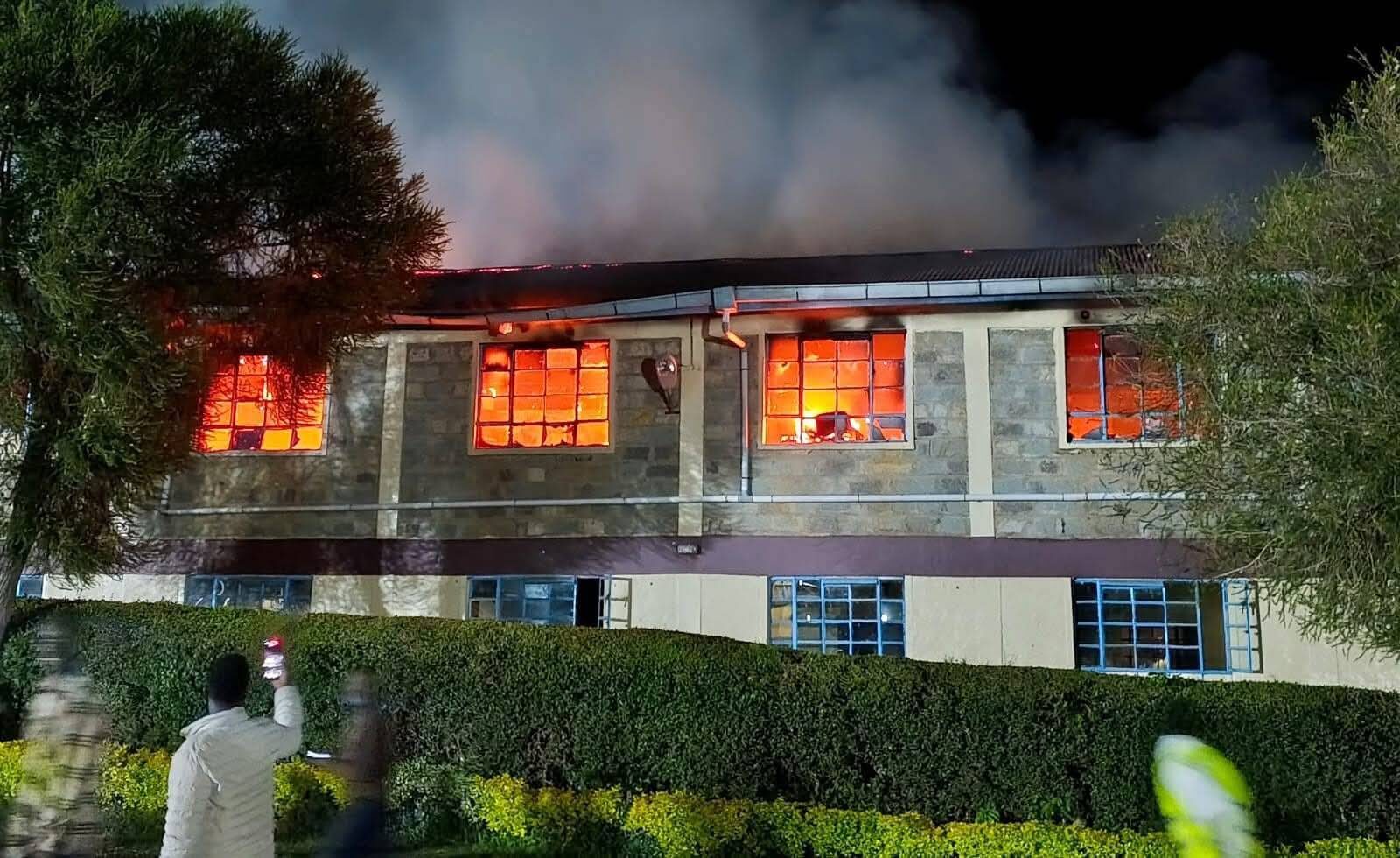
Education stakeholders have renewed calls for the strict enforcement of safety measures in schools following a surge in deadly fire incidents that continue to threaten the lives of learners across the country.
The calls come in the wake of the tragic fire at Utumishi Girls Senior School in Gilgil, Nakuru County, where 16 students lost their lives and more than 70 others sustained injuries after a dormitory fire broke out at night.
Parents, education stakeholders and residents in Tinderet Sub-County said the tragedy should serve as a wake-up call for learning institutions to prioritize student safety by complying with government regulations and strengthening disaster preparedness mechanisms.
Education advocate Jane Rono expressed concern that many schools still lack adequate firefighting equipment and effective emergency response systems, leaving learners vulnerable during emergencies.
“We cannot continue losing innocent learners through avoidable tragedies. Every school must ensure dormitories have adequate emergency exits, functional fire extinguishers and regular fire safety inspections,” said Rono.
She further urged school administrators to conduct routine fire drills to equip both students and staff with the skills needed to respond effectively during emergencies.
ALSO READ:
Stakeholders call for research-driven solutions to regional challenges during MMUST, LREB conference
Community elder Esther Lagat called on school boards of management to collaborate closely with security agencies and disaster response teams to enhance preparedness, particularly in boarding schools.
“We are urging all schools to review their safety standards immediately. Dormitories should never be overcrowded, and all electrical installations must be inspected regularly to prevent possible fire outbreaks,” she said.
Nandi County Kenya National Parents Association representative David Sang challenged parents to take a more active role in monitoring the welfare and living conditions of their children while in school.
“Parents should not wait for tragedies to happen before raising concerns. We must work together with teachers and school boards to ensure our children are learning in safe environments,” said Sang.
Public Benefit Organizations activist Emily Keter urged the Ministry of Education to intensify routine inspections and take firm action against institutions that fail to meet safety standards.
“Some schools ignore safety recommendations because inspections are irregular. There must be strict enforcement to protect the lives of our children,” Keter said.
ALSO READ:
Medics urge hiring and training of specialised nurses for cancer-related wound care
Residents also emphasized the need to strengthen guidance and counselling departments in schools, noting that improved mental health support and student engagement could help reduce cases of unrest and suspected arson.
Youth leader Samuel Kimeli called on school managers to invest more in disaster preparedness and emergency response infrastructure.
“Safety should be treated with the seriousness it deserves. Schools must install alarm systems, maintain proper electrical wiring and ensure students know what to do during emergencies,” said Kimeli.
The residents further appealed to the government to allocate additional resources towards improving safety infrastructure in public schools, particularly boarding institutions in rural areas.
The Gilgil tragedy has revived memories of previous school fire disasters that have claimed scores of lives over the years, increasing pressure on education authorities to fully implement recommendations aimed at safeguarding learners and preventing future tragedies.
By Kimutai Langat
You can also follow our social media pages on Twitter: Education News KE and Facebook: Education News Newspaper for timely updates.
>>> Click here to stay up-to-date with trending regional stories
>>> Click here to read more informed opinions on the country’s education landscape