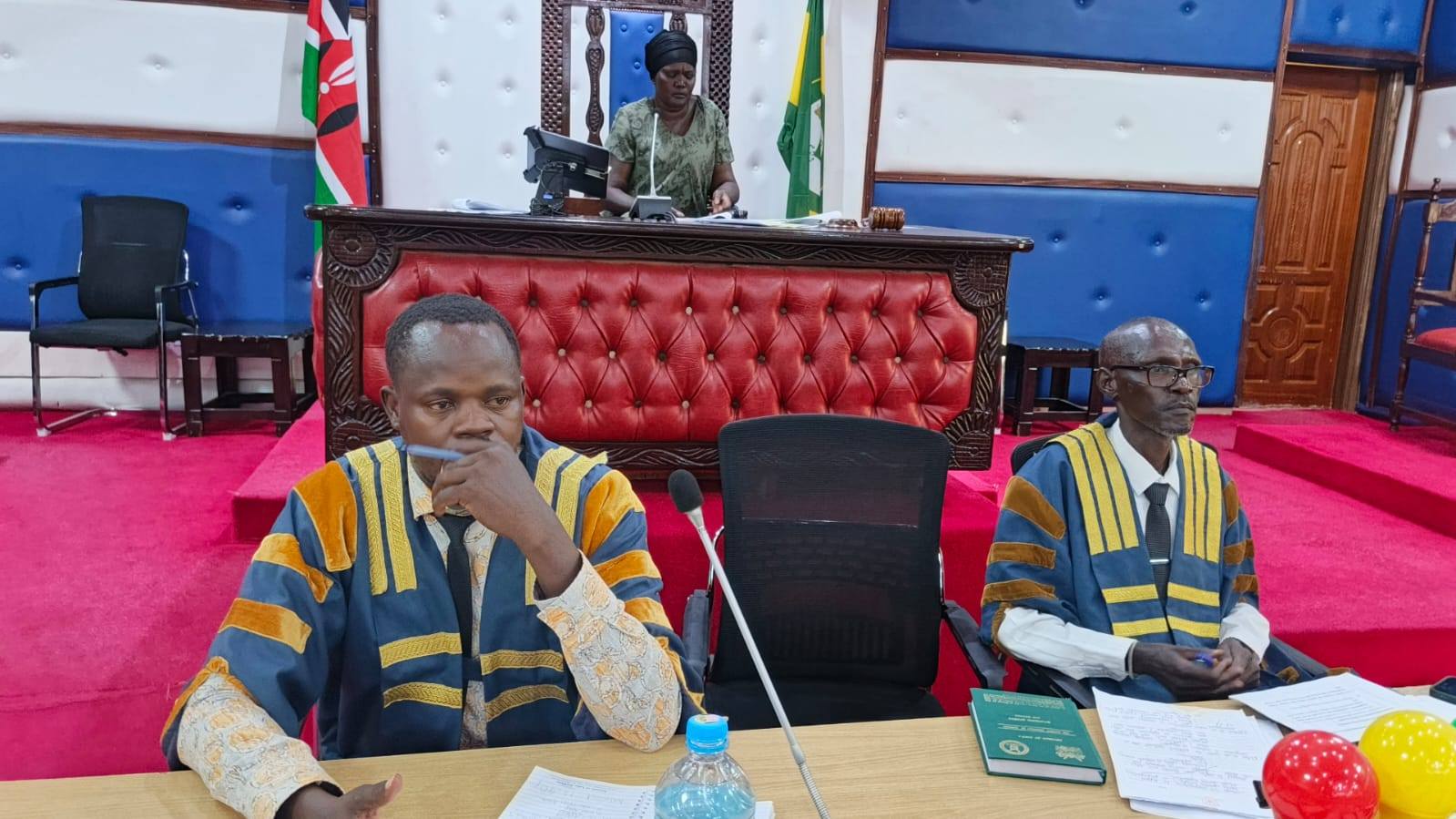
The Turkana County Assembly has approved recommendations by the Committee on Education, Sports and Social Protection on the revised Turkana County Early Childhood Development Education (ECDE) Policy Framework 2025, marking a significant step toward improving early learning and child welfare in the county.
The policy framework, which was tabled and adopted by the House, seeks to expand access to quality ECDE services, strengthen support for teachers, improve school feeding programmes and address long-standing barriers affecting early childhood education in one of Kenya’s most underserved regions.
According to the committee’s report, the revised framework prioritizes increased enrolment through community-based outreach initiatives, improved ECDE infrastructure and the adoption of child-centred teaching methods tailored to Turkana’s pastoralist lifestyle and socio-economic realities.
The policy also outlines measures aimed at professionalising ECDE teaching through continuous in-service training, standardized remuneration and strengthened performance support systems. To ensure effective implementation, the committee recommended the establishment of a county ECDE coordination unit to oversee policy execution, monitoring and resource allocation.
ALSO READ:
KUPPET declares boycott of 2026 national exams over delayed examiners payment
“Early childhood is a critical phase for cognitive and social development. This policy will help ensure that Turkana’s children have a stronger start in life, despite the county’s unique climatic and socio-economic challenges,” the committee noted in its report.
A major pillar of the framework is the enhancement of school feeding programmes, which the report identifies as vital for improving school attendance, learner retention and academic outcomes. The proposed model seeks to integrate county procurement systems, local food producers and community participation to guarantee consistent and nutritious meals for young learners.
The framework further proposes intensified public awareness campaigns to boost demand for early learning services, particularly among nomadic and hard-to-reach communities. It also emphasizes investment in child-friendly learning materials, as well as water, sanitation and hygiene (WASH) facilities in ECDE centres across the county.
In addition, the committee called for the development of robust data management systems to track enrolment, attendance and learning outcomes, enabling targeted interventions and evidence-based planning.
ALSO READ:
Are the 151,000 learners in the first cohort of CBE really missing?
The endorsement of the policy has been welcomed by education stakeholders at both county and national levels. Education experts observed that the framework’s emphasis on teacher welfare and localized curricula could help bridge persistent learning gaps in marginalized communities.
“When teachers are supported and curricula reflect children’s environments and needs, learning outcomes improve,” said a senior education specialist.
However, stakeholders cautioned that successful implementation will depend on sustained financing, efficient supply chains for food and educational materials, and continuous community engagement to ensure services reach nomadic populations.
The report recommends a phased implementation beginning in 2025, supported through county allocations, national government transfers and partnerships with development agencies. It also proposes clear performance indicators to assess progress in access, quality of education and nutrition outcomes.
The Assembly’s approval now clears the way for county authorities and implementing agencies to finalize operational plans and mobilize resources for the rollout of the Turkana ECDE Policy Framework 2025.
By Ochola Victor
You can also follow our social media pages on Twitter: Education News KE and Facebook: Education News Newspaper for timely updates.
>>> Click here to stay up-to-date with trending regional stories
>>> Click here to read more informed opinions on the country’s education landscape