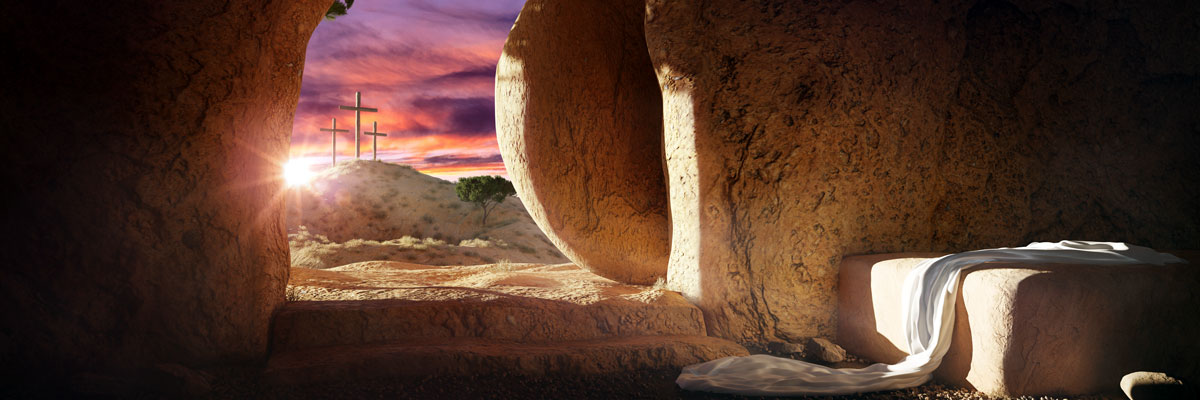
Easter rises not as a mere date on the calendar, but as a profound unfolding story—one that stretches from the ancient pages of the Old Testament into the lived realities of today’s world. It is a story that begins in shadows and symbols, grows through prophecy and sacrifice, and reaches its triumphant climax in the death and resurrection of Jesus Christ. Yet beyond theology, Easter becomes a living force, offering humanity a pathway not only to believe—but to be transformed.
To understand Easter fully is to travel back to its roots in the Bible, where the seeds of redemption are first planted. In the Book of Exodus, a people enslaved in Egypt are commanded to sacrifice a spotless lamb and mark their homes with its blood. That night, death passes over them, and deliverance is born. It is a moment of survival, but also a sign—a prophetic shadow pointing forward. Centuries later, during the same Passover season, Christ is crucified on Good Friday and rises again on the third day. What began as a national rescue becomes a universal redemption. The lamb of Exodus becomes the Savior of the world.
This pattern of sacrifice continues throughout the Old Testament, especially in the Book of Leviticus, where offerings are made repeatedly for sin. Yet the repetition itself reveals a longing for completion. Easter answers that longing. In the death of Jesus Christ, sacrifice reaches its fulfillment—no longer repeated, but completed once and for all.
The prophets, too, speak with striking clarity. In the Book of Isaiah, the suffering servant appears—wounded, rejected, yet bearing the sins of many. What was written in anticipation becomes reality at the cross. Even symbolic stories echo this truth. In the Book of Numbers, a bronze serpent is lifted and brings healing to those who look upon it. In the Book of Jonah, three days in the depths give way to life again. The Book of Psalms and the visions of the Book of Daniel whisper of a future where death does not have the final word. These fragments, scattered across time, converge in Easter as one unified declaration: life will triumph.
ALSO READ:
Trans Nzoia: Njoro Secondary pioneers urine fertilizer innovation, placing school on the Map
For the Christian faith, Easter is the very heartbeat of belief. Without the resurrection, faith becomes mere philosophy; with it, faith becomes power. Easter proclaims victory over sin, triumph over death, and the assurance of eternal life. It transforms despair into hope and fear into courage. But its significance does not end within the Church—it spills into the world, speaking to the deepest human struggles.
In a world marked by uncertainty, conflict, and brokenness, Easter offers a universal message: no darkness is permanent. Nations recovering from crisis, communities seeking healing, and individuals battling loss all find in Easter a pattern of renewal. It becomes more than doctrine—it becomes a global philosophy of resilience and restoration.
Yet the true power of Easter is not only in what it proclaims, but in how it can be lived. It calls humanity to move from celebration to transformation. The journey from Good Friday to Easter Sunday teaches that pain can give birth to purpose. When individuals embrace this truth, they begin to confront their weaknesses, learn from failure, and grow through adversity rather than being defeated by it.
At its core, Easter is a call to forgiveness. The sacrifice of Jesus Christ reveals a love that persists even in suffering. When this principle is applied, broken relationships begin to heal. Families are restored, communities are reconciled, and hearts once hardened by pain learn to release bitterness. In a fractured world, such forgiveness is not optional—it is essential.
Easter also strengthens the bonds that hold society together. It draws families back to the table, communities back to shared purpose, and individuals back to meaningful connection. In a fast-paced world where relationships are often neglected, Easter becomes a sacred opportunity to rebuild what truly matters.
At a deeply personal level, Easter is the season of new beginnings. It whispers to the weary that failure is not final, that life can be rebuilt, and that a new path is always possible. Just as the tomb could not hold Christ, neither can past mistakes permanently define the future. It becomes an invitation to start again—with renewed purpose and courage.
ALSO READ:
Beyond the personal, Easter carries a moral force capable of shaping societies. The values embodied in the life of Jesus Christ—integrity, compassion, justice, and humility—offer a blueprint for leadership, governance, and community life. When these values are lived out, Easter moves from a religious observance into a tool for nation-building and social transformation.
Acts of kindness and charity further extend its impact. By caring for the vulnerable, supporting the needy, and lifting the broken, individuals turn the message of Easter into tangible change. In this way, the celebration becomes a catalyst for a more compassionate and humane world.
Ultimately, Easter builds resilience. It reminds humanity that struggles are temporary, that hope must be held even in uncertainty, and that peace can exist even in the midst of storms. It strengthens both the spirit and the mind, equipping individuals to face life with courage.
In the end, Easter stands as the world’s enduring reminder that history is not without direction and life is not without meaning. What began as a whisper in the Old Testament is proclaimed in power through the resurrection, and continues to echo across the world today. It is the meeting point of prophecy and fulfillment, of suffering and victory, of humanity and hope.
And in every generation, its message remains clear and unshaken: Darkness is never final, death is never the end, and hope is never in vain.
Easter, therefore, is not just to be remembered.
It is to be lived—daily, intentionally, and transformationally.
By Hillary Muhalya
You can also follow our social media pages on Twitter: Education News KE and Facebook: Education News Newspaper for timely updates.
>>> Click here to stay up-to-date with trending regional stories
>>> Click here to read more informed opinions on the country’s education landscape