Retirement in the teaching profession should never feel like walking into administrative darkness. It should feel like stepping into the sunset with clarity, dignity, and order. After decades of service—shaping intellect, mentoring character, resolving crises, and building institutions—a teacher deserves a transition that reflects the weight and worth of that contribution.
Yet, in my 38 years as a teacher, principal, environmentalist, and regional director, I have witnessed how easily retirement can become stressful when preparation is delayed and documentation neglected.
Under the structure of the Teachers Service Commission (TSC), retirement is not an informal departure; it is a legal and administrative process governed by regulations, timelines, and documentation. The date of retirement is never a surprise. It is known years in advance. What often creates anxiety is not the retirement itself, but the failure to prepare systematically.
The first pillar of a smooth retirement is personal documentation. A retiring teacher must confirm that all identification records are accurate and consistent across government systems. Names, dates of birth, and identification numbers must match TSC records precisely. Even minor discrepancies—an omitted middle name, a reversed date, a slight spelling variation—can delay pension processing.
Copies of the National ID, KRA PIN certificate, NHIF card, NSSF documentation where applicable, passport photographs, and birth certificate should be ready and properly certified. Where there has been a name change through marriage or legal process, the supporting documentation must be attached without assumption that it is already on file.
The second pillar is employment history. A teacher’s letter of first appointment, confirmation to permanent and pensionable terms, and all promotion letters form the legal backbone of pension computation. These documents are not ceremonial achievements to frame and forget; they are proof of professional progression. Your service record at the Sub-County office must reflect accurate dates of appointment, transfers, promotions, and leave. Do not assume that everything is perfectly updated in official files. Confirm it personally. Retirement demands verification, not assumption.
ALSO READ:
What’s next after retirement? A retired teacher shares lessons on planning, purpose and prosperity
Leave reconciliation is another critical area. Accumulated leave days must be accounted for properly. Outstanding leave should be clarified in writing before exit. Pension calculations depend on verified service periods. Any unexplained gap invites delays and unnecessary correspondence. Order in documentation translates into speed in processing.
Financial clearance often determines how peacefully one transitions into retirement. Many teachers are members of cooperative societies and savings institutions such as Mwalimu National SACCO. Loan balances must be reconciled early. Clearance letters from SACCOs and banks should be secured before the final day of service. Welfare contributions, staff advances, and institutional imprests must be cleared. Pension benefits delayed by unresolved liabilities can transform celebration into frustration.
Institutional accountability also requires formal handover. Retirement does not erase responsibility; it transfers it. If you served as a head of institution, deputy, head of department, examination officer, or class teacher, you must prepare a structured handover report. School property inventories must be signed. Departmental records must be reconciled. Examination materials must be accounted for. A clear and documented handover protects the retiring teacher from future audit queries and ensures institutional continuity.
Housing clearance is equally essential for those occupying institutional residences. Keys must be surrendered formally, and condition reports completed. Professional dignity is demonstrated in how responsibly one exits.
Pension documentation deserves deliberate attention. Pension claim forms issued through TSC must be filled accurately and legibly. Bank details must be certified by your financial institution. It is wise to confirm that your account is active and fully operational before submission. Next-of-kin details must be updated and supported by identification documents. Where applicable, marriage certificates, divorce decrees, or death certificates of a spouse must be attached. Children’s birth certificates may also be required for dependency records. Pension is not only a personal entitlement; it is structured family security.
Medical transition planning must not be overlooked. Teachers currently under the TSC medical scheme administered through providers such as Minet Kenya should understand the exit procedures in advance. Retirement changes healthcare arrangements. One must plan early for continued NHIF membership or alternative medical cover. Health needs often increase with age, and continuity of medical access is not optional—it is essential.
I strongly advise teachers to initiate retirement clearance at least six to twelve months before the official retirement date. Early engagement with the TSC County office allows time to correct discrepancies. Follow up respectfully and consistently. Keep certified copies of every document submitted. Documentation submitted without personal record-keeping exposes one to avoidable complications.
ALSO READ:
Prof. Ayiro invites public to Daystar LAP Run, lauds student-athlete
However, beyond paperwork lies a deeper truth: retirement is psychological before it is administrative. Teaching becomes identity. The bell, the staffroom, the learners, the daily rhythm of school life—these shape one’s sense of purpose. The sudden absence of routine can feel disorienting. Therefore, preparation must include cultivating life beyond employment. Mentorship, environmental advocacy, community leadership, faith engagement, writing, consultancy, or small enterprise initiatives can provide continuity of meaning.
Retirement should not be an entry into idleness; it should be a redefinition of influence.
Financial planning must also be realistic. Pension supports, but it may not fully replace salary. Teachers approaching retirement should assess investments, savings, land development, agribusiness opportunities, or other sustainable income streams. Lifestyle adjustments may be necessary. Planning five years ahead of retirement is not excessive—it is prudent.
In my years of leadership, I have seen colleagues suffer unnecessary distress because of preventable oversights: mismatched identity details, dormant bank accounts, incomplete handovers, unresolved SACCO loans, or unverified service records. These are not tragedies; they are lapses in preparation. And preparation is within our control.
Professional dignity is displayed most clearly at the point of exit. Avoid last-minute conflicts. Resolve pending issues. Mentor younger staff. Leave systems stable. Retirement should crown your career, not complicate it.
Let every teacher approaching retirement remember this: your service was structured, and so must your exit be structured. Start early. Verify everything. Clear systematically—from school level to Sub-County, County, and TSC offices. Reconcile finances. Prepare medical transition. Secure your Certificate of Service. Confirm pension documentation.
When the final bell rings, it should not echo with uncertainty. It should resonate with fulfillment.
Retirement is not an end to relevance. It is freedom to influence without administrative constraint. The classroom may close behind you, but your wisdom remains open to society.
May every teacher walk into retirement not hurried, not anxious, not entangled in paperwork—but organized, honored, and at peace.
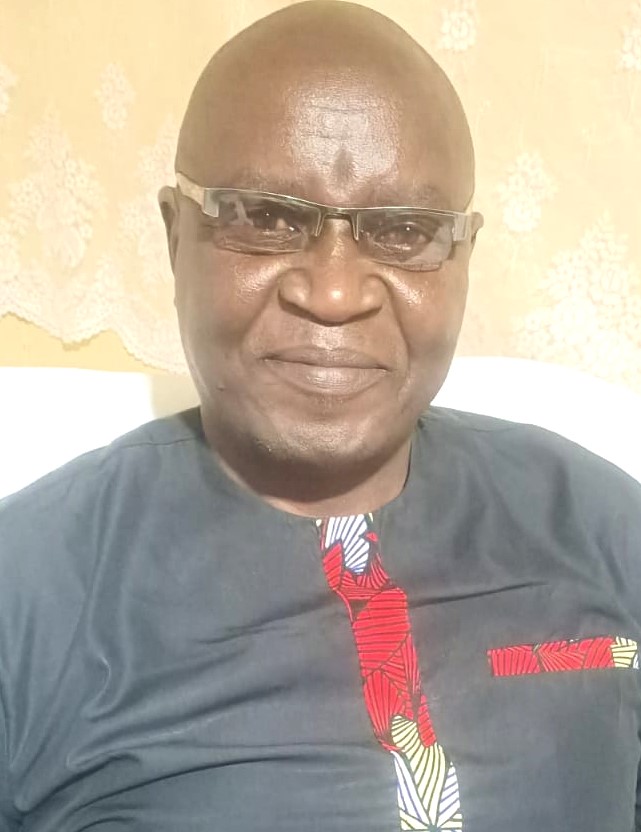
By Hillary Muhalya
You can also follow our social media pages on Twitter: Education News KE and Facebook: Education News Newspaper for timely updates.
>>> Click here to stay up-to-date with trending regional stories
>>> Click here to read more informed opinions on the country’s education landscape