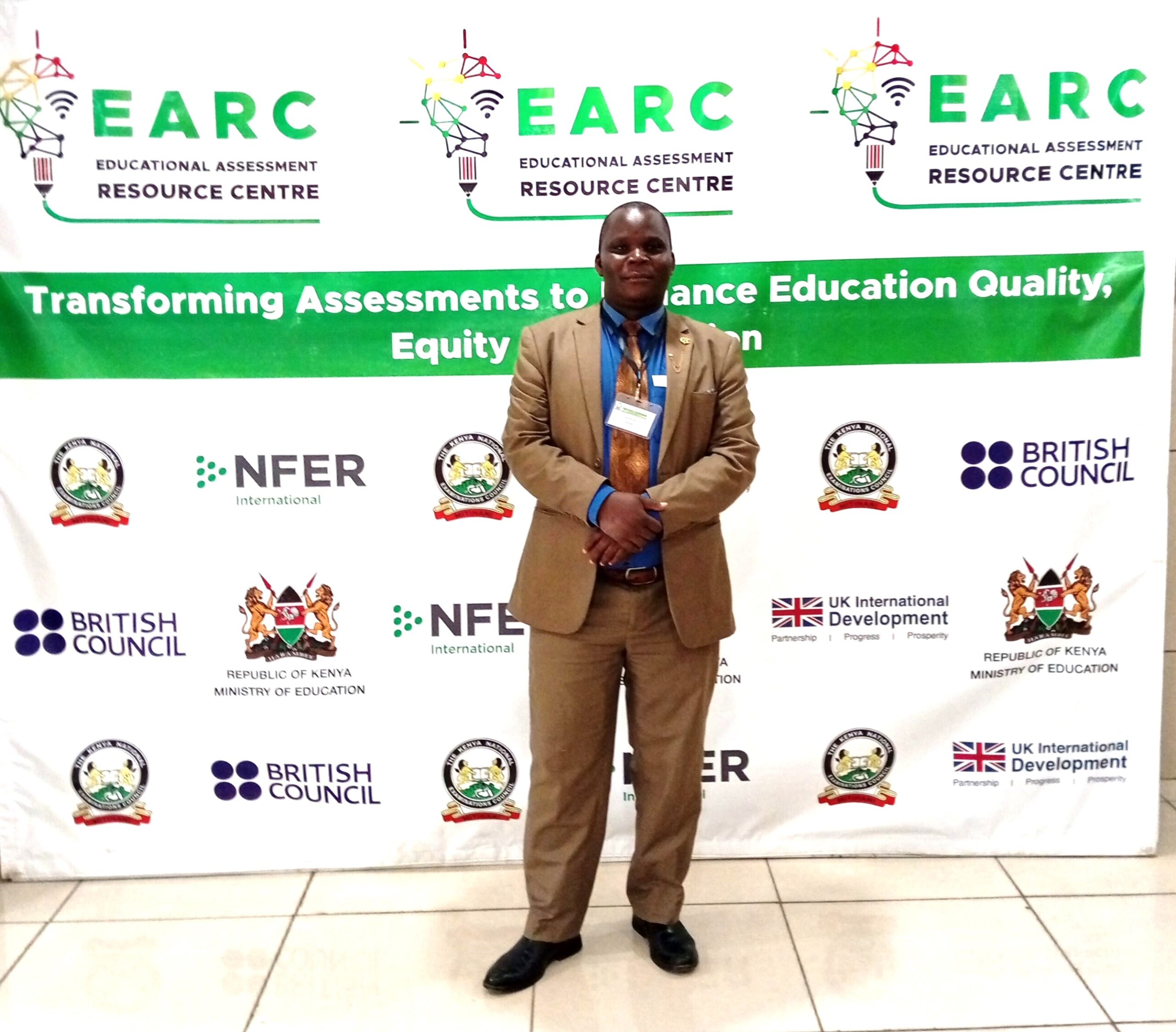
- As Kenya marks World Teachers’ Day, Newton Maneno says celebration must be accompanied by honest reflection.
- He argues that teachers still face unresolved concerns over housing, recruitment, remuneration and career progression.
- Maneno says restoring dignity and confidence in teaching requires transparent systems and sustained government action.
On October 5, 2026, Kenyan teachers will join their colleagues across the globe in commemorating World Teachers’ Day. There will be speeches, accolades and familiar declarations about the central role teachers play in national development.
Government officials will rightly point to recent gains, including the recruitment of thousands of teachers, the promotion of many others after years of stagnation and deliberate efforts to address staffing shortages in schools.
These achievements deserve recognition.
But World Teachers’ Day should not merely be a ceremony of self-congratulation. It must also be a moment of national introspection and honest conversation about the unresolved challenges that continue to undermine the teaching profession in Kenya.
The danger facing President William Ruto and the Teachers Service Commission (TSC) is the temptation to focus exclusively on what has been achieved while glossing over what remains painfully unresolved.
Teachers are not asking for praise. They are asking for dignity, fairness and a profession worthy of the sacrifices they make daily.
One of the contentious grievances remains the Affordable Housing Levy.
Month after month, teachers contribute through mandatory deductions from their salaries, yet for many, questions remain about how they will directly benefit from the affordable housing programme.
A teacher stationed in Turkana, Tana River, Mandera or Homa Bay cannot be blamed for wondering how accessible affordable housing projects will ultimately be to contributors working far from major urban centres.
To some teachers, the levy risks being perceived as a compulsory contribution to a programme from which they may struggle to derive direct benefit.
If the government expects continued public goodwill, it must provide greater transparency on allocation criteria and ensure equitable opportunities for contributors across the country.
Beyond economic concerns lies a deeper crisis: the gradual erosion of teaching as a true profession.
Professions are distinguished not merely by academic qualifications but by autonomy, prestige, rigorous standards of entry and systems that reward merit. Medicine, law, engineering and accountancy enjoy these attributes to varying degrees.
Teaching, unfortunately, continues to struggle for similar recognition.
Recruitment must inspire confidence
Part of the problem lies in the persistent perception that recruitment into the profession is not always governed strictly by merit.
Allegations of political interference and claims that some employment opportunities are influenced by patronage have periodically surfaced.
Whether isolated or widespread, such perceptions corrode public confidence and demoralise thousands of qualified graduates who spend years waiting for employment opportunities.
A profession cannot command public respect if its entry mechanisms are perceived as vulnerable to external influence.
Every teaching appointment must be beyond reproach, based on competence, merit and transparency.
Equally troubling is the contradiction between teachers’ workload and their compensation.
The modern Kenyan teacher is no longer merely an instructor standing before a classroom. Teachers are counsellors, mentors, administrators, curriculum implementers, data managers, club patrons, disciplinarians and often surrogate parents.
Competency-Based Education has significantly expanded these expectations, yet remuneration has not always kept pace with the growing responsibilities.
No nation can claim to value education while inadequately rewarding those entrusted with delivering it.
Investments in infrastructure and curriculum reforms will only yield meaningful results if teachers themselves feel valued, motivated and professionally fulfilled.
Promotion should not resemble a lottery
Then there is the thorny issue of promotions.
For years, teachers have complained about promotion guidelines and lengthy stagnation in the same grades. While the TSC has made efforts to address promotion bottlenecks, perceptions of unfairness persist.
Promotion should never resemble a lottery.
It should be predictable, transparent and anchored in measurable criteria understood by every teacher.
When hardworking professionals cannot clearly see the pathway to career progression, morale inevitably suffers.
The cumulative effect of these challenges has been damaging.
Teaching has lost some of the prestige it once commanded in Kenyan society.
There was a time when becoming a teacher was a source of immense pride. Teachers were respected opinion shapers, community leaders and symbols of intellectual achievement.
Today, some enter and remain in the profession not because it is their first choice but because economic realities leave them with few alternatives.
This is perhaps the most painful indictment of all.
To be clear, acknowledging these realities does not diminish the progress that has been made. It simply recognises that recruitment drives and promotions alone cannot resolve the deeper structural issues afflicting the profession.
Restore dignity of teaching
As President Ruto addresses teachers on World Teachers’ Day, they do not need another catalogue of government achievements.
They are already aware of them.
What they need is assurance that their lingering concerns are being addressed with sincerity: clarity on the Housing Levy, recruitment systems insulated from political interference, remuneration that reflects their workload and promotion frameworks that are fair, coherent and transparent.
Most importantly, they need a renewed national commitment to restoring the dignity of teaching.
For without motivated teachers, there can be no quality education, and without quality education, there can be no meaningful national transformation.
World Teachers’ Day should therefore be more than a celebration.
It should be a call to action.
The greatest tribute Kenya can pay its teachers is not another round of applause but the courage to confront the uncomfortable truths they live with every day.
READ ALSO: 16 teams battle for Chapa Dimba Eastern Region honours in Embu
Only then can teaching regain the lustre it lost and move from being a profession of survival to one of pride, fulfilment and purpose.
By Newton Maneno
Email: manenonewton1@gmail.com
Get more stories from our website: Education News
To write to us or offer feedback, you can reach us at: editor@educationnews.co.ke
You can also follow our social media pages on Twitter: Education News KE and Facebook: Education News Newspaper for timely updates.
>> Click here to stay up-to-date with trending regional stories