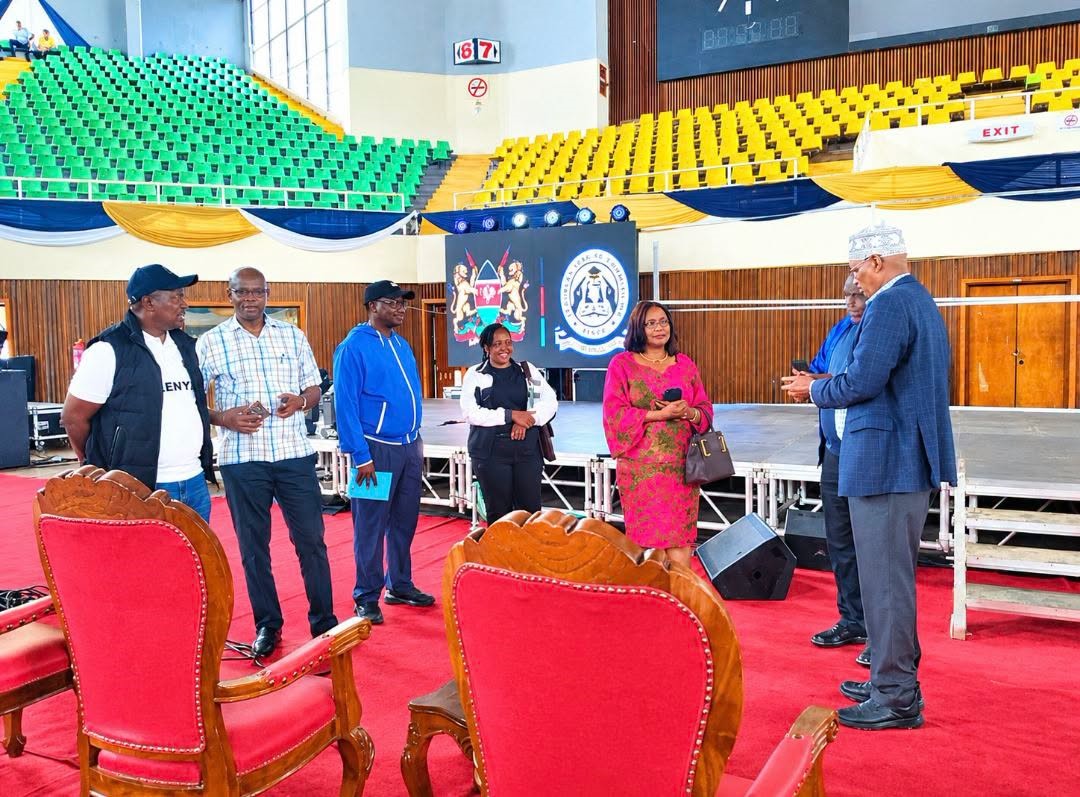
- Ashford argues that recognising teachers must be accompanied by sustained investment in welfare and professional development.
- World Teachers’ Day 2026 marks six decades of international commitment to protecting the teaching profession.
- Effective education reforms require motivated teachers, supportive working environments and meaningful participation in policy decisions.
Teachers are among the most influential professionals in any society. They nurture young minds, transmit knowledge, instil values, discover talent and prepare learners to take up responsibilities in an increasingly complex world. As Kenya joins the global community in celebrating World Teachers’ Day 2026, the theme, “Standing with teachers: 60 years of protecting the profession, advancing its status and shaping our futures,” offers an opportunity to reflect on the contribution of teachers, the progress made in protecting their profession and the challenges that must be addressed to secure the future of education.
This year’s celebration marks 60 years since the adoption of the 1966 ILO/UNESCO Recommendation concerning the Status of Teachers. The milestone reminds governments, education stakeholders, parents and communities that quality education cannot be separated from the welfare, professional standing and working conditions of teachers.
Every profession depends on the foundation laid by a teacher. Doctors, engineers, entrepreneurs, scientists, administrators and political leaders all pass through the hands of educators who equip them with knowledge, skills and values. A country that invests in its teachers is, therefore, investing in its human capital and long-term development.
In Kenya, teachers are at the centre of implementing Competency-Based Education (CBE), which emphasises practical skills, creativity, innovation, values and learner-centred approaches. This transformation demands more than a change in curriculum designs and learning materials. It requires competent, motivated and adequately supported teachers who can translate educational policies into meaningful classroom experiences.
The Kenya Education Management Institute (KEMI), the Kenya Institute of Curriculum Development (KICD) and the Centre for Mathematics, Science and Technology Education in Africa (CEMASTEA) illustrate the importance of strengthening educational leadership, curriculum implementation, teacher professional development and innovation. Their respective contributions demonstrate that the success of education reforms depends significantly on the capacity of teachers and school leaders to implement them effectively.
The 2026 World Teachers’ Day programme places considerable emphasis on recognising teachers whose service and achievements deserve national appreciation. The Roll of Honour features awards in several categories, including Early Years Educators, Lifetime Achievement, School Leadership Excellence, Child Protection Champion, Co-curricular and Talent Development, Early Career Educator, Inclusive Educator, Innovation and ICT Integration in Teaching, Most Resilient Teacher, Sustainable Development Educator and Teacher Mentor.
The programme also recognises recipients of the President’s Award, National Honours and international awards.
These categories reveal the many dimensions of effective teaching. A good teacher does more than deliver lessons and assess learners. Teachers protect children, mentor colleagues, nurture talents, integrate technology, promote inclusion and support sustainable development. Others demonstrate resilience while serving communities under challenging circumstances.
Recognising such achievements is important because it communicates that teaching is a profession requiring commitment, expertise, creativity and continuous improvement. It also provides role models for young educators entering the profession and encourages experienced teachers to sustain their contribution.
However, recognition should not be limited to ceremonies and awards. Every teacher, including those working in remote, marginalised and under-resourced communities, deserves respect, professional support and working conditions that enable effective service.
Welfare, professional growth and teacher participation
The theme calls for a renewed commitment to protecting the teaching profession and advancing its status. This commitment must translate into practical measures that address teachers’ professional welfare, career development and working environments.
The Kenya National Union of Teachers (KNUT) and the Kenya Union of Post-Primary Education Teachers (KUPPET) continue to provide an organised voice for teachers and advocate for their professional interests. Their emphasis on welfare, professional growth, fair remuneration, career progression and constructive engagement highlights issues that remain central to the future of education.
Teachers cannot consistently deliver their best when they lack essential teaching resources, face excessive workloads or work in environments that undermine their professional dignity. Professional development must also be accompanied by opportunities to apply new skills, access relevant learning materials and receive support from school leadership.
Teacher motivation should therefore be understood as a shared responsibility. The government, the Teachers Service Commission, school administrators, unions, parents and education partners all have roles to play in creating an environment in which teachers can thrive.
Equally important is meaningful teacher participation in education policy. Reforms are more likely to succeed when educators are consulted, their classroom experiences are considered and implementation challenges are addressed through constructive dialogue.
Technology, inclusion and sustained support
The growing importance of technology and innovation presents teachers with new opportunities and responsibilities. Digital resources, ICT integration and emerging teaching methods can enrich learning, improve access to information and support the development of practical competencies.
Nevertheless, technology cannot replace the human qualities that make teaching meaningful. Empathy, patience, mentorship, discipline and the ability to recognise a learner’s individual needs remain essential. The future of education lies in combining appropriate technology with strong teacher-learner relationships.
Inclusive education also demands sustained attention. Learners have different abilities, backgrounds and learning needs. Teachers require appropriate training, accessible resources and supportive environments to ensure that every learner has an opportunity to participate and succeed.
World Teachers’ Day should be more than an annual celebration. It should serve as a national accountability moment for evaluating whether teachers receive the respect, resources and support necessary to fulfil their responsibilities.
As Kenya celebrates six decades of international commitment to the status of teachers, the message is clear: protecting teachers means protecting the future of learners and the nation. Awards and public appreciation are valuable, but they must be accompanied by sustained investment in teacher welfare, professional development, inclusive learning environments and effective education management.
The ultimate measure of this celebration will not be the speeches delivered or the number of certificates presented. It will be the extent to which teachers return to their classrooms feeling valued, empowered and equipped to make a difference.
Standing with teachers is, ultimately, standing with every learner whose future depends on quality education. Kenya’s ambition to build a knowledgeable, innovative and globally competitive society must begin by strengthening the people who make learning possible.
READ ALSO: Busia plans ICT hub at Kisoko in honour of journalist Moses Radoli
Happy World Teachers’ Day 2026 to all teachers across Kenya. Your service shapes individuals, transforms communities and helps build the nation we aspire to become.
By Ashford Kimani
Ashford is a teacher of English and Literature who writes on education and youth affairs.
Get more stories from our website: Education News
To write to us or offer feedback, you can reach us at: editor@educationnews.co.ke
You can also follow our social media pages on Twitter: Education News KE and Facebook: Education News Newspaper for timely updates.
>> Click here to stay up-to-date with trending regional stories