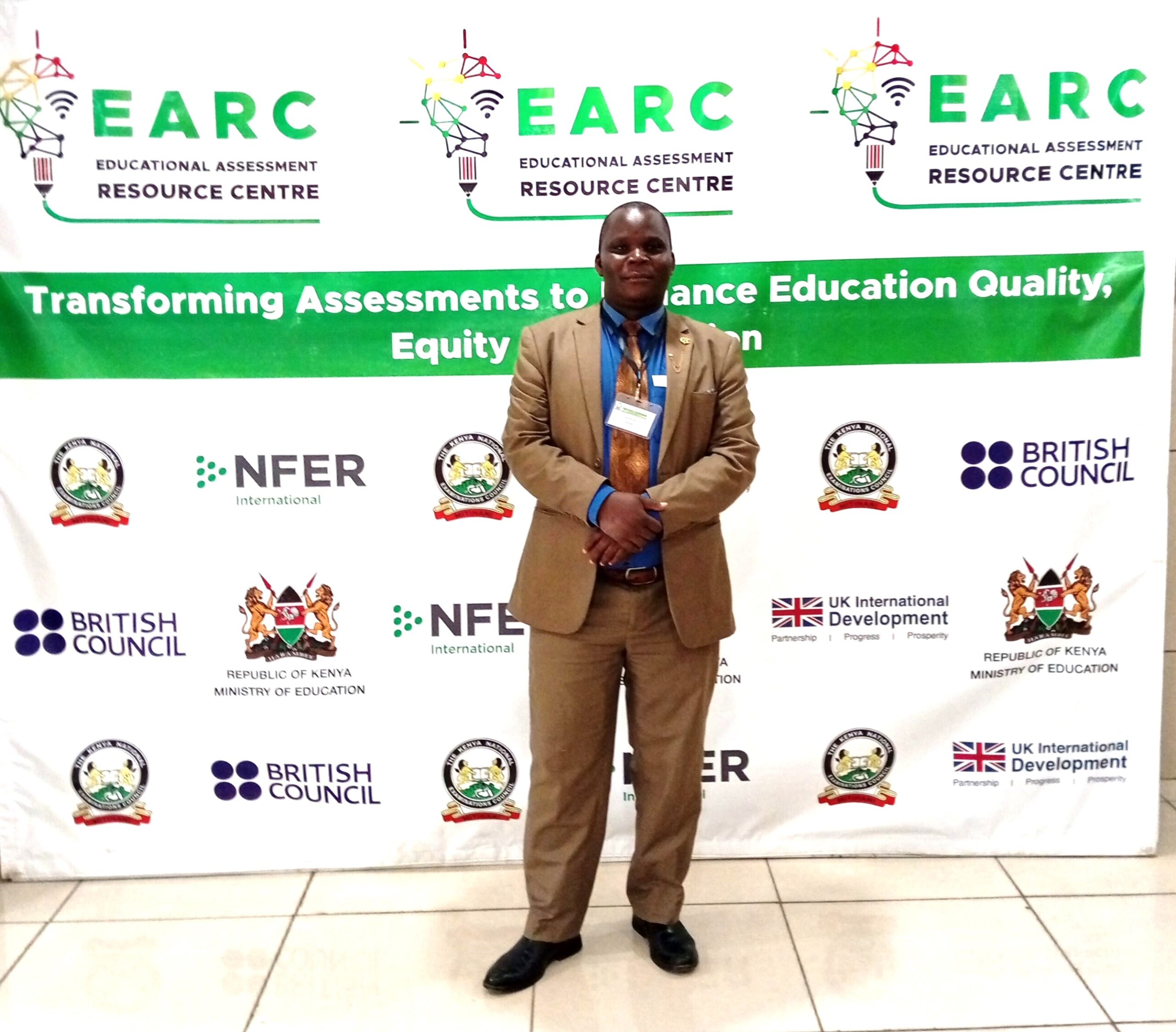
- Newton Maneno argues that Parliament should address teachers’ economic pressures instead of restricting legitimate income-generating activities.
- He says outside employment should attract sanctions only when it interferes with teaching duties or creates conflicts of interest.
- The proposed TSC law lists engaging in other gainful employment among disciplinary offences facing teachers.
At a time when millions of Kenyans are grappling with an unforgiving cost of living, rising taxes, stagnant incomes, and shrinking economic opportunities, one would expect Parliament to focus its legislative energies on the issues that keep ordinary citizens awake at night: jobs, food prices, healthcare, public debt, youth unemployment, and the quality of education. It is therefore perplexing that the National Assembly’s priorities include a proposal that would effectively punish teachers for lawful income-generating activities outside their official duties.
The proposed Teachers Service Commission (Amendment) Bill, 2026, sponsored by National Assembly Majority Leader Kimani Ichung’wah, lists “engaging in other gainful employment” among disciplinary offences for teachers employed by the Teachers Service Commission (TSC). If enacted in its current form, the measure could affect thousands of teachers who run farms, small businesses, shops, consultancy services, transport ventures and other legitimate enterprises to supplement their earnings.
Professionalism should not mean economic restriction
To be fair, the objective of ensuring professionalism in the teaching service is not inherently objectionable. Every employer has a legitimate interest in ensuring that employees devote adequate time and energy to their core responsibilities. If a teacher’s side business compromises classroom performance, punctuality, or professional ethics, disciplinary mechanisms should certainly exist. No serious person would defend absenteeism or neglect of duty.
However, that is not the central question. The question is whether the State can honestly demand exclusive economic loyalty from teachers while failing to provide compensation that guarantees a decent standard of living. The answer is no.
Teaching remains one of the most important professions in any society. Teachers produce the doctors, engineers, lawyers, accountants, scientists and politicians upon whom national development depends. Yet paradoxically, teachers often find themselves among the most financially constrained professionals despite their academic qualifications, continuous professional development obligations and immense social responsibilities.
Across Kenya, countless teachers have turned to farming, retail businesses, transport investments and consultancy not out of greed but necessity. They are responding rationally to economic realities. These ventures help them pay school fees for their children, settle mortgages, support extended families and shield themselves against inflation. To punish such efforts is to misunderstand the economic conditions confronting ordinary teachers.
Why single out teachers?
Even more troubling is the apparent inconsistency in the proposal. Many professionals in public service engage in supplementary economic activities. Doctors operate private clinics. Engineers undertake consultancy projects. Accountants offer professional services outside their primary employment. University lecturers conduct research and consultancy assignments. Politicians themselves frequently maintain extensive business interests while serving in public office.
If side hustles are inherently incompatible with public service, should the same standard not apply to everyone? Or are teachers being singled out because they represent a constituency perceived as politically convenient to regulate? The optics are deeply unfortunate.
At a time when teacher unions have repeatedly raised concerns about remuneration, promotions, workload, staffing shortages and career progression, Parliament appears more interested in restricting teachers’ avenues of economic advancement than addressing the conditions that necessitate such ventures in the first place.
This approach risks worsening an already serious morale problem. A motivated teacher is an asset to national development. A demoralised teacher is a threat to educational quality. When educators feel undervalued, overworked and economically constrained, the consequences are ultimately borne by learners. Public policy should aim to inspire, support and retain talented educators, not treat them as suspects in their own struggle for economic survival.
Moreover, there is a broader philosophical issue at stake. In a free and democratic society, employment should not amount to economic servitude. So long as lawful entrepreneurial activities do not interfere with official duties, citizens should retain the freedom to improve their economic circumstances.
The role of government should be to create opportunities for wealth creation, not erect barriers against it. Indeed, Kenya’s leaders routinely encourage citizens to embrace entrepreneurship, innovation and self-reliance. Teachers should not become the exception to that national message.
Address the causes, not the side hustles
Parliament would therefore serve the country better by asking more fundamental questions: Why do so many teachers feel compelled to pursue additional income streams? What does this reveal about remuneration and welfare within the profession? How can policymakers improve teacher motivation, retention, and productivity? Those are conversations worthy of legislative attention.
Legislation should solve problems, not create new frustrations. If the concern is conflict of interest or neglect of duty, the law should target those specific misconducts. If the concern is professionalism, then establish measurable professional standards. But a blanket assault on legitimate side hustles risks punishing dedicated teachers whose only offence is refusing to be defeated by economic hardship.
Kenya’s teachers do not need more restrictions. They need respect. They need support. They need better working conditions. Most of all, they need policymakers who understand that economic empowerment is not misconduct.
READ ALSO: World Teachers’ Day must be more than a celebration; it must be a moment of truth
A nation that constantly diminishes its teachers ultimately diminishes itself. And that is a lesson Parliament should never forget.
By Newton Maneno
Email: manenonewton1@gmail.com
Get more stories from our website: Education News
To write to us or offer feedback, you can reach us at: editor@educationnews.co.ke
You can also follow our social media pages on Twitter: Education News KE and Facebook: Education News Newspaper for timely updates.
>> Click here to stay up-to-date with trending regional stories