




- The 2026 FIFA World Cup continues to highlight the importance of individuals who rise to the occasion when teams need them most.
- From Lionel Messi to Kylian Mbappé and Achraf Hakimi, successful teams rely on players who turn pressure into performance.
- The lesson extends beyond football to schools, institutions and communities, where progress often depends on people who make things happen.
Leadership author John Maxwell once observed that “winning teams have players who make things work.” As the 2026 FIFA World Cup unfolds across North America, his words continue to prove true on football’s grandest stage. While tactics, coaching and preparation matter immensely, tournaments are often defined by individuals who rise above pressure and find ways to deliver results for their teams.
Even in our institutions, there are certain individuals who make things happen. In schools, there are specific teachers who can always be counted on. In government, there are leaders who consistently deliver results, sometimes not because of their positions but because of their commitment and effectiveness. The World Cup offers a useful analogy through players who have emerged as catalysts for their teams.
The players who make things happen
These players are not always the flashiest stars. Sometimes they score goals, sometimes they create chances and sometimes they simply inspire confidence among teammates. What distinguishes them is their ability to make things happen when it matters most.
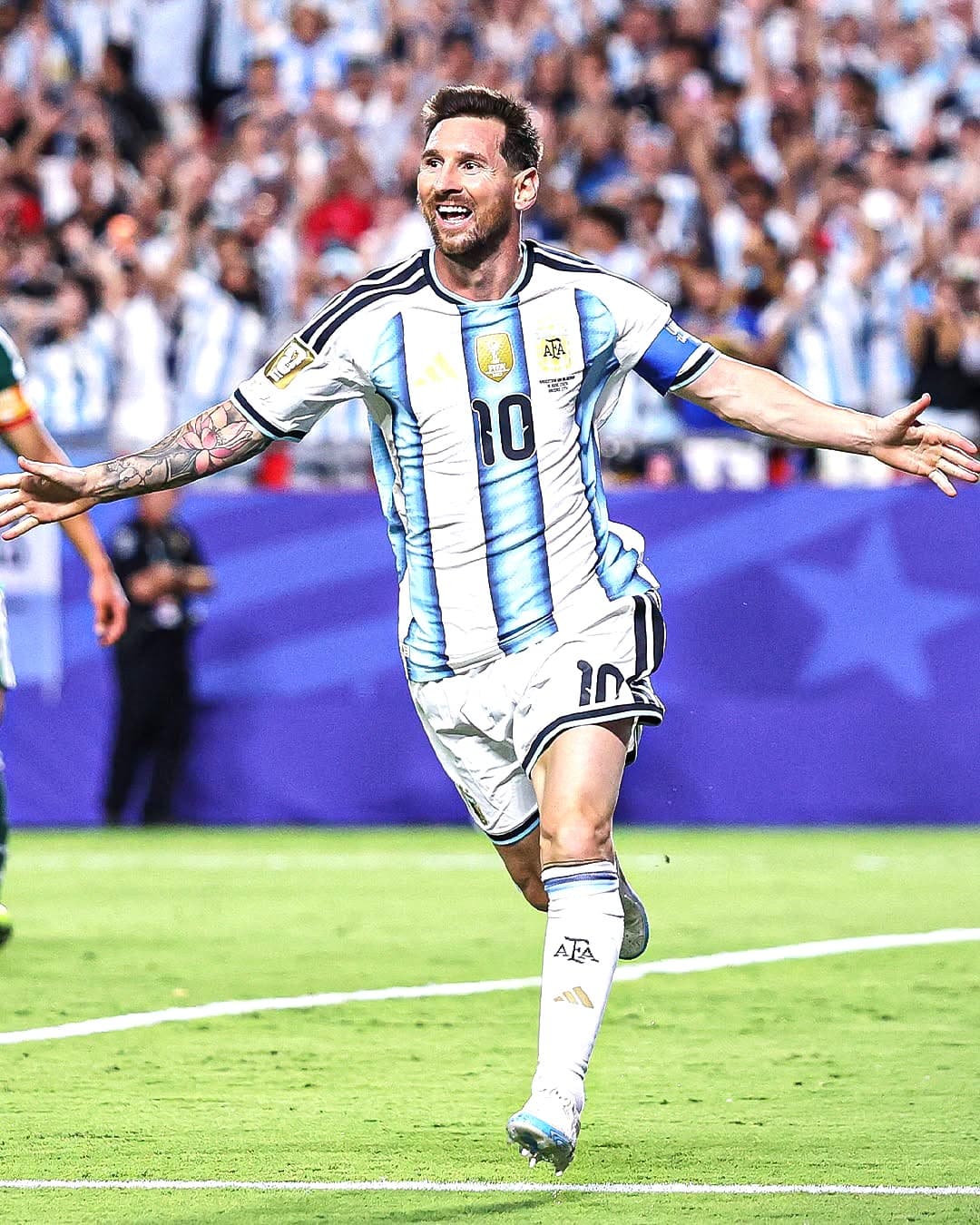
Argentina provides a perfect example through Lionel Messi. At an age when many footballers have retired from international competition, Messi continues to influence matches with intelligence, vision and composure. His leadership extends beyond goals and assists. He calms younger players, dictates the tempo of matches and reminds the world that greatness is often measured by consistency under pressure.
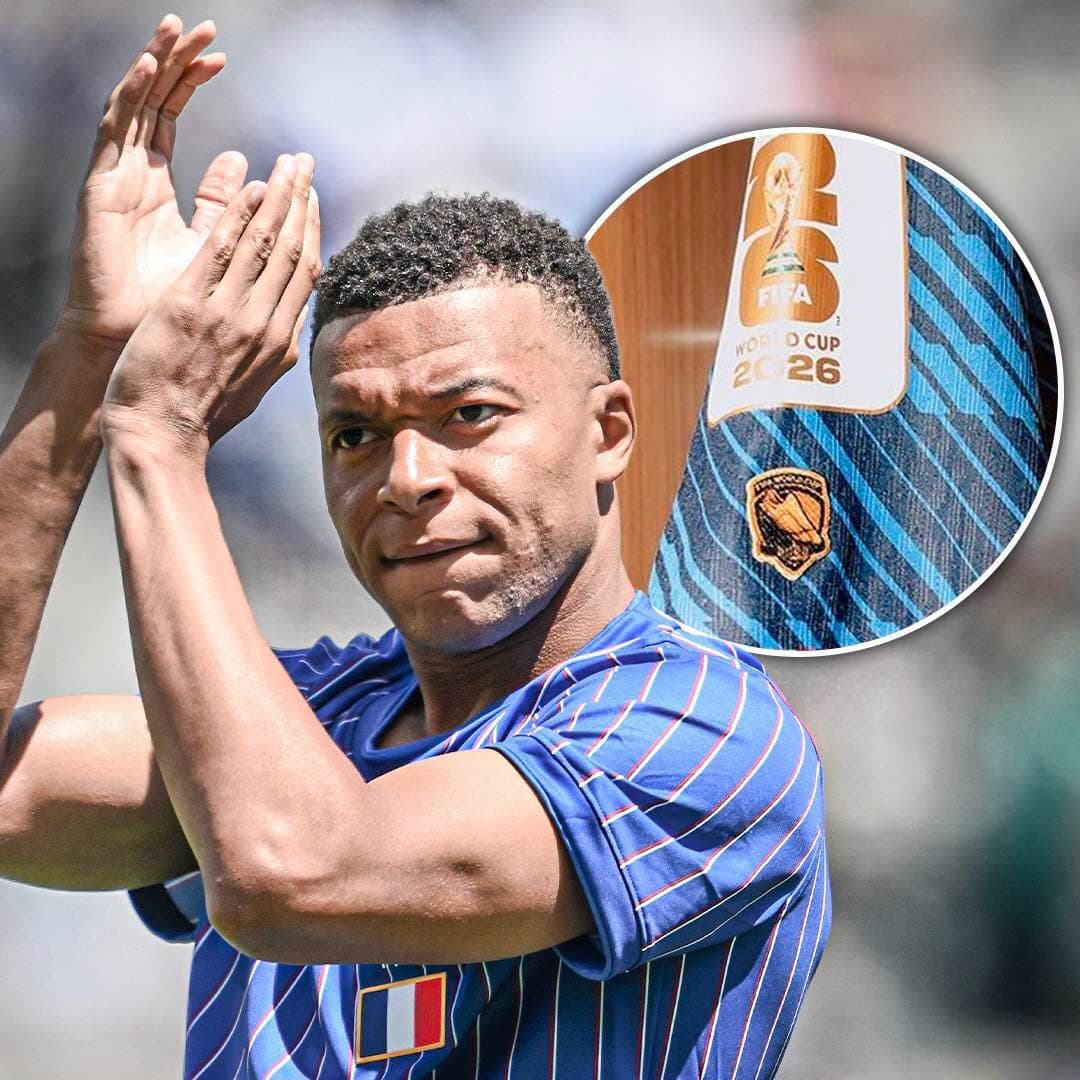
For France, Kylian Mbappé remains the player who makes things work. Whether running at defenders, creating space for teammates or converting critical chances, Mbappé embodies the modern match winner. France’s ambitions of another deep World Cup run rest heavily on his shoulders, and he has embraced that responsibility.
Spain has discovered its catalyst in the youthful Lamine Yamal. Despite his age, he has demonstrated remarkable maturity and confidence. His fearlessness in attack has injected energy into the Spanish side. He represents a new generation of players who refuse to be intimidated by the occasion.
Germany’s driving force has been Deniz Undav. While Germany possesses several established stars, Undav has emerged as a crucial contributor. His ability to produce goals and assists at key moments illustrates Maxwell’s point that teams need players who convert opportunities into tangible outcomes.
Leadership beyond statistics
Egypt’s symbol of reliability remains Mohamed Salah. Although opponents focus heavily on containing him, Salah’s influence extends beyond statistics. His movement creates openings, his experience steadies the team and his leadership inspires belief. Egypt’s encouraging campaign has reflected the impact of a player who consistently elevates those around him.
For Brazil, Vinícius Júnior has become the player carrying the torch of Brazilian attacking football. His pace, creativity and unpredictability have made him a constant threat. Every successful team requires a player capable of changing the direction of a game in a matter of seconds, and Vinícius has repeatedly demonstrated that ability.
England’s hopes have been energized by Jude Bellingham. The midfielder combines technical excellence with extraordinary maturity. He influences both attack and defence, linking different areas of the field while displaying leadership qualities beyond his years. Winning teams need players who can control games, and Bellingham has done exactly that.
Portugal has benefited immensely from Bruno Fernandes. His vision and passing range have transformed ordinary attacks into dangerous opportunities. Fernandes exemplifies the importance of creativity in tournament football. A single pass can determine the difference between progression and elimination.
Morocco, one of the tournament’s most resilient teams, continues to draw inspiration from Achraf Hakimi. His tireless performances on both ends of the pitch demonstrate that making things work is not limited to scoring goals. Sometimes it involves defending, supporting teammates and maintaining intensity for ninety minutes.
Unsung heroes and emerging stars
Japan’s standout figure has been Takefusa Kubo. His technical quality and intelligence have helped Japan remain competitive against powerful opponents. He embodies discipline, teamwork and efficiency—qualities often associated with successful tournament campaigns.
Host nation Mexico has relied heavily on Julián Quiñones. The forward has energized supporters and provided crucial contributions in attack. Every host nation requires players capable of carrying the expectations of millions, and Quiñones has embraced that challenge.
Meanwhile, Cape Verde’s remarkable performances have highlighted the influence of veteran goalkeeper Vozinha. Goalkeepers rarely dominate headlines, yet they frequently determine tournament outcomes. His saves and leadership have helped a smaller football nation compete with countries possessing far greater resources and experience.
The common thread connecting all these players is not merely talent. Football history is full of gifted individuals who failed to achieve collective success. What separates these players is their willingness to shoulder responsibility. They step forward when teammates need encouragement. They remain composed during difficult moments. They convert pressure into performance.
Lessons beyond football
The lesson extends far beyond football. Schools, businesses, churches and communities all require people who make things work. Success is rarely achieved by spectators. It is achieved by individuals who identify problems and seek solutions. They take initiative, embrace accountability and contribute to the success of the group.
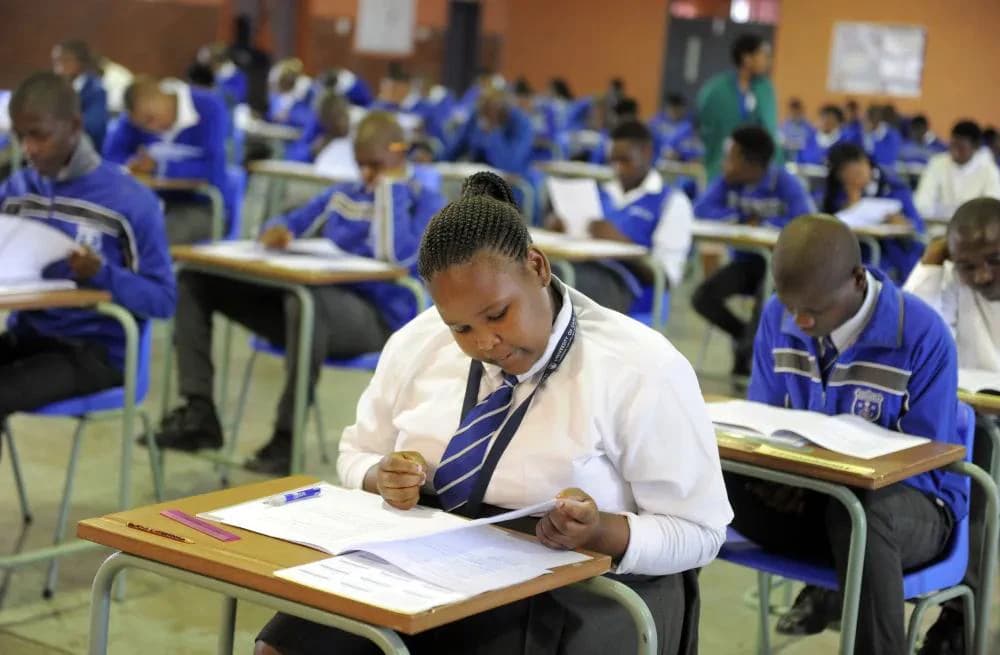
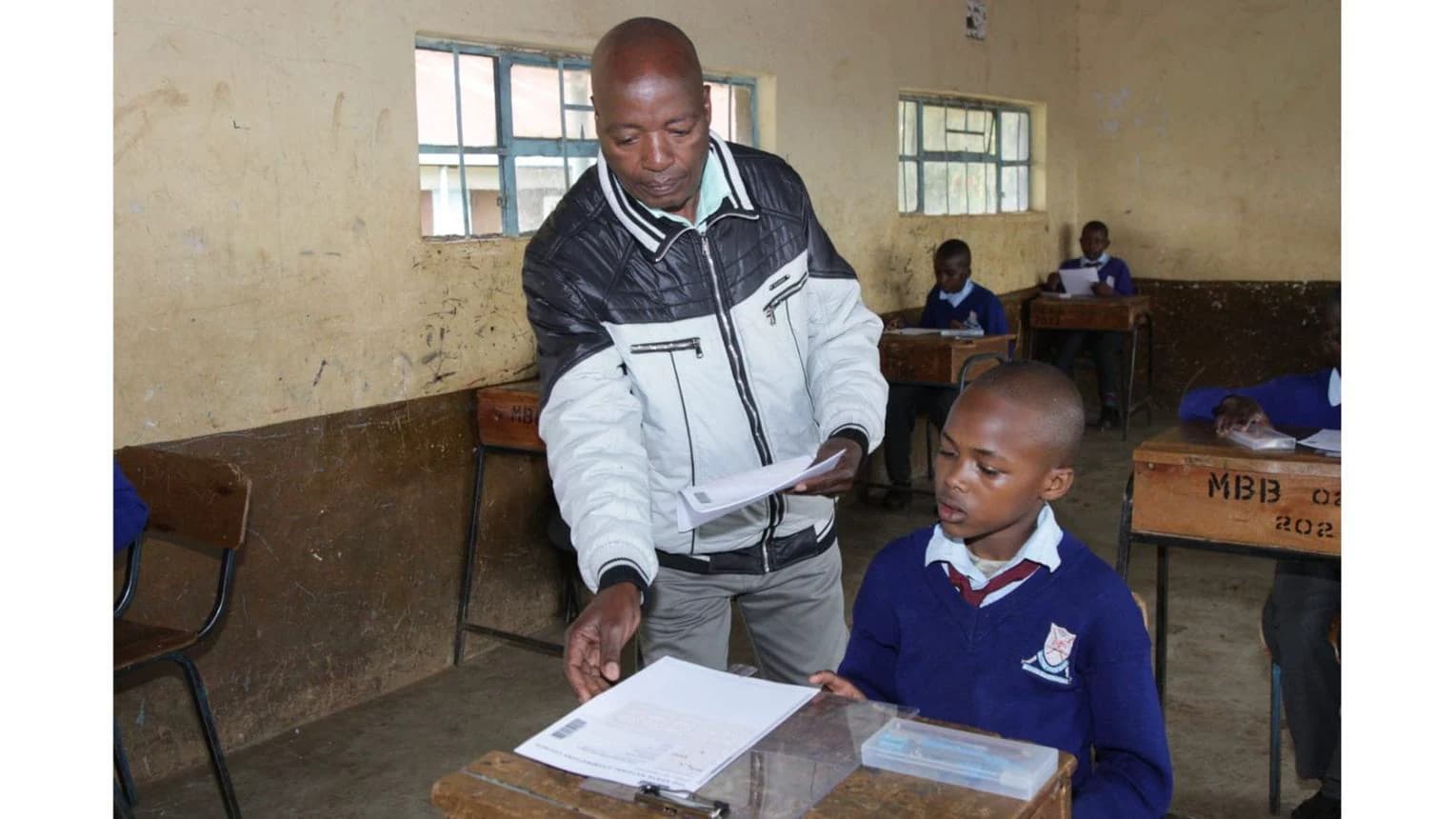
In schools, there are teachers who consistently deliver results regardless of challenges. In organizations, there are employees who quietly solve problems and keep operations moving. In communities, there are leaders who mobilize people and resources to improve lives. These individuals may not always receive recognition, but they are often the difference between success and failure.
As the World Cup progresses toward the knockout stages, fans will celebrate goals, trophies and memorable victories. Yet beneath every successful campaign will be individuals whose contributions made those achievements possible.
Whether it is Messi guiding Argentina, Mbappé inspiring France, Salah leading Egypt or Hakimi driving Morocco forward, the principle remains unchanged.
READ ALSO: Over 2,300 Machakos teachers to undergo CEMASTEA digital skills training
Winning teams have players who make things work. The ongoing FIFA World Cup is simply providing the latest and most visible proof of that timeless truth.
By Ashford Kimani
Ashford is a teacher of English and Literature who writes on education and social affairs.
You can also follow our social media pages on Twitter: Education News KE and Facebook: Education News Newspaper for timely updates.
>>> Click here to stay up-to-date with trending regional stories
>>> Click here to read more informed opinions on the country’s education landscape



Reader Discussion (0)
Sign in to comment