- Some schools have remained without functional Wi-Fi connectivity months after wiring and equipment installation, with some work completed as early as June 2026.
- Multiple contractors have visited the same schools without clear coordination, leaving administrators uncertain about who is responsible for completing outstanding electrical and activation work.
- The rollout has exposed a gap between physical installation and actual internet activation, prompting calls for a centralised tracking register to monitor each school’s connectivity status.
A school Wi-Fi rollout is facing growing confusion after some institutions reportedly remained without functional internet connectivity months after wiring and equipment installation, with some of the works said to have been completed as early as June 2026.
The situation has been further complicated by reports of multiple companies visiting schools where installation work had already been undertaken, leaving administrators seeking clarity on which contractor is responsible for completing the outstanding work.
In some of the affected institutions, cables have been laid and Wi-Fi equipment installed, but the systems remain inactive because the newly installed infrastructure has not been fully connected to the schools’ existing power supply. The bottleneck, therefore, is not necessarily a lack of electricity in the schools. Rather, it is the final electrical connection required to power, test and commission the Wi-Fi infrastructure.
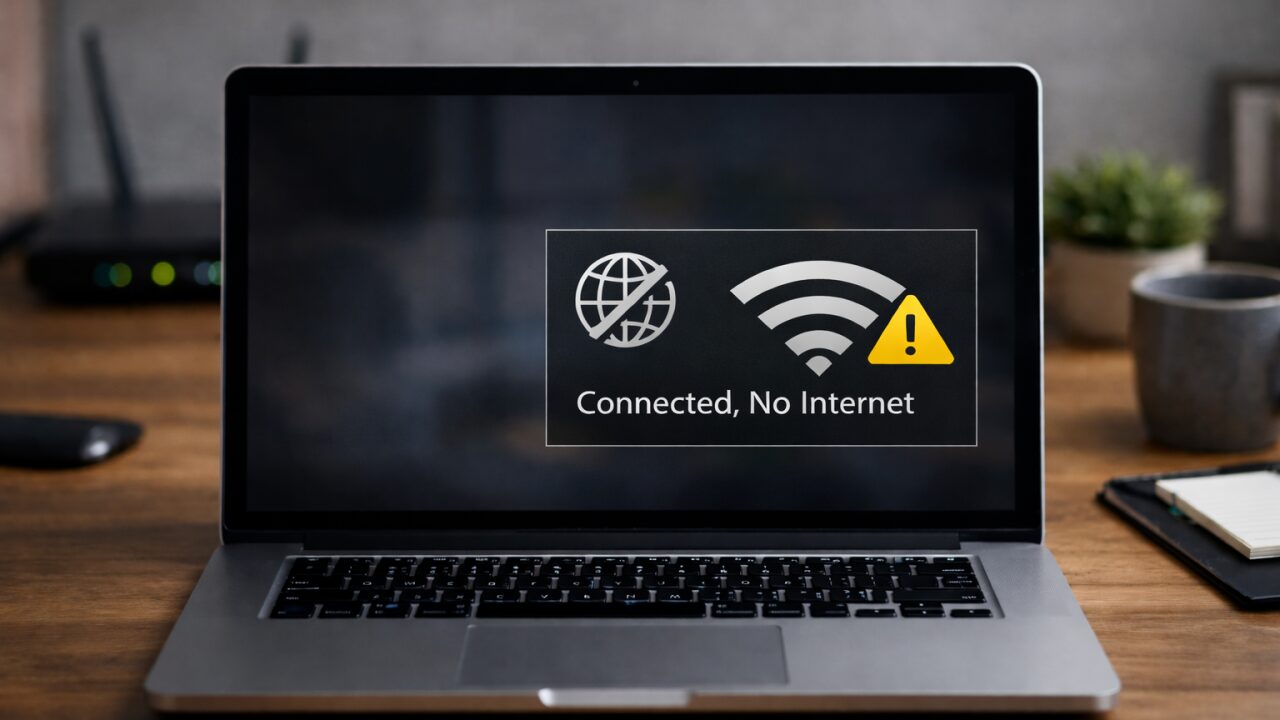
This distinction is important. A school may have electricity for classrooms and other operations while its newly installed routers, access points and related network equipment remain disconnected from the appropriate power supply. Consequently, a school can appear to have been connected on paper, with cables, equipment and technical work already visible, yet remain unable to provide internet access to learners and teachers.
ALSO READ:
UASU strike looms as public universities race to break lecturers’ CBA deadlock
Wired but Not Connected
The reported cases dating back to June have raised questions about the gap between physical installation and actual activation. For a Wi-Fi system to become operational, several stages must be completed, including installation of the network infrastructure, connection of the equipment to the appropriate power supply, configuration, network activation and final testing. Where the power-connection stage is incomplete, subsequent configuration and activation cannot proceed as intended.
This has created frustration in institutions where infrastructure has already been installed but remains unused. The situation also raises questions about how the progress of individual schools is being tracked and handed over between contractors and the agencies overseeing the programme.
The arrival of different companies at institutions that have already undergone installation has added another layer of uncertainty. School administrators are reportedly encountering technical teams arriving after earlier contractors have already completed wiring or installed equipment. Without clear information on the scope of each assignment, such visits can make it difficult for schools to establish whether a new team is responsible for completing the electrical connection, configuring the system, correcting earlier work or undertaking another phase of the rollout.
The problem could be reduced through a central, continuously updated implementation register showing the status of every participating school, classifying institutions as not started, wired, equipment installed, power connected, configured, activated or fully commissioned. Such a register would make it easier to identify schools requiring completion instead of sending additional teams to repeat work already undertaken.
The Final-Mile Problem
The emerging concerns highlight a broader challenge in digital education projects: physical infrastructure does not automatically translate into connectivity. For learners and teachers, the presence of routers and cables is ultimately less important than whether they can connect to the internet and use digital learning resources. The real test of the rollout is therefore what happens after installation, whether the equipment has been powered, the network configured, the connection activated and tested, and whether learners and teachers can actually access the internet. Where schools have been waiting since June, these questions become particularly significant.
The reports do not, on their own, establish that the entire school connectivity programme is failing. They do, however, point to the need for closer coordination between contractors, schools and the agencies responsible for implementation. Schools where wiring and equipment installation have already been completed should have their outstanding requirements clearly identified and addressed.
ALSO READ: West Pokot’s new Public Service Board faces its real test after appointment
If the remaining obstacle is the power connection, that stage should be completed before the system is presented as operational. Likewise, where power is already available, but configuration, network activation or testing remains pending, those tasks should be clearly assigned and followed through to completion.
For school administrators, the issue is ultimately straightforward: an installed Wi-Fi system that cannot be powered and activated is not yet a functioning connectivity service. As multiple technical teams continue visiting schools, attention is now shifting from the number of institutions reached by the rollout to the number that are fully connected and actually using the service.
For schools that have had wiring and equipment in place since June, the expectation is no longer simply another installation visit. It is completion of the outstanding work, activation of the network and reliable internet access for the learners and teachers the programme is intended to serve.
By Hillary Muhalya
Get more stories from our website: Education News
To write to us or offer feedback, you can reach us at: editor@educationnews.co.ke
You can also follow our social media pages on Twitter: Education News KE and Facebook: Education News Newspaper for timely updates.
>> Click here to stay up-to-date with trending regional stories