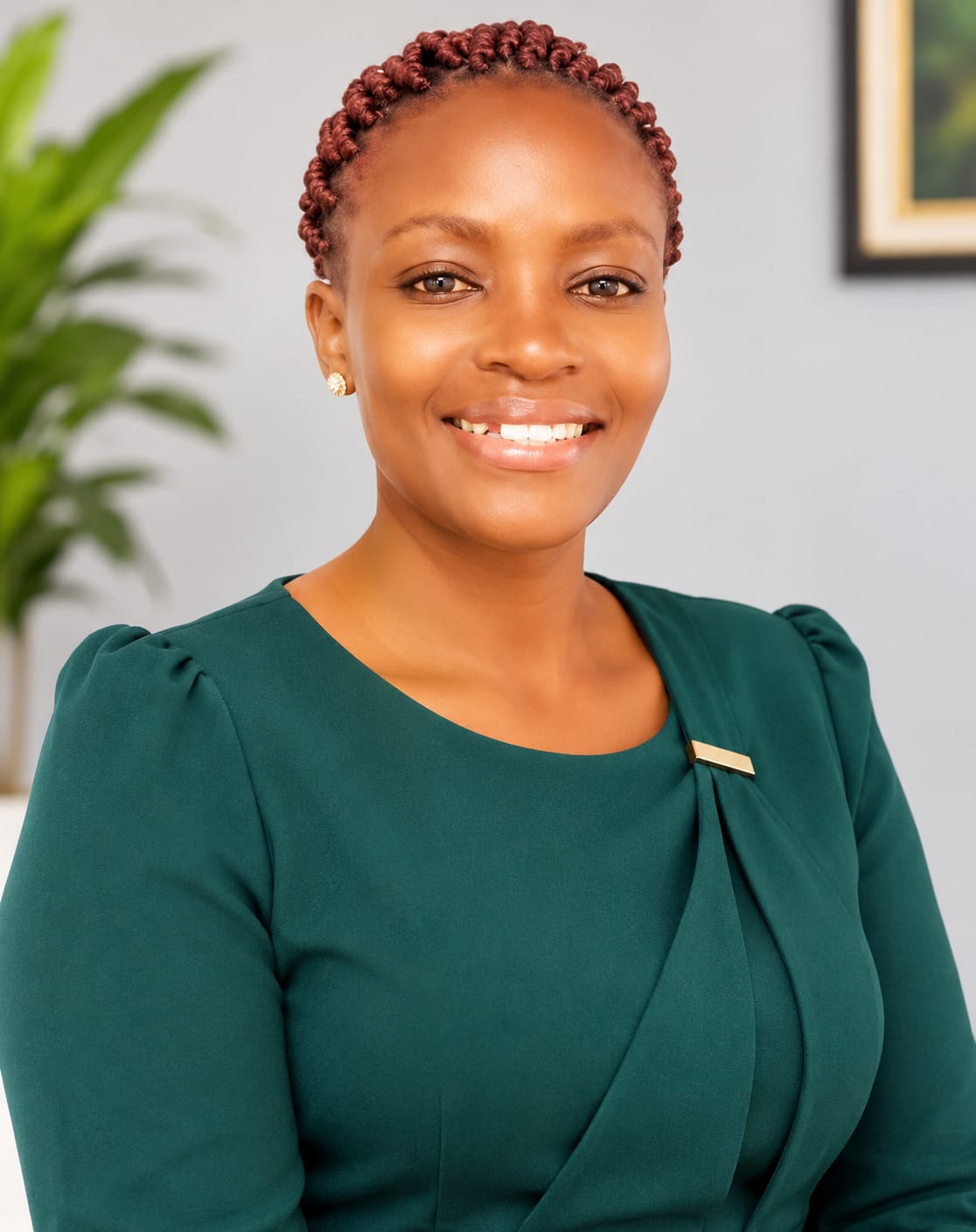
- Astiba Kebong’o says disturbing reports of child sexual abuse demand more than temporary public outrage.
- Parents and teachers must create environments where children can report abuse without fear or blame.
- She argues that protecting children requires vigilance from families, schools, communities and responsible public institutions.
Disturbing reports of sexual abuse involving children should not end with public outrage. They should make every parent, teacher and community member ask what more we can do to keep our children safe.
Some news stories leave you wondering where we are going wrong as a society.
Reports of children allegedly being sexually abused are among them. They are painful to read because behind every headline is a child whose innocence, trust and sense of safety may have been badly shaken.
The public is often quick to react. We condemn the alleged offender, demand justice and express sympathy for the child. Then, after a few days, another story takes over.
But for the child, there is no changing of the news cycle.
The experience may remain long after the cameras have gone and the public has moved on.
That is why every such case should make us look beyond the individual incident. It should make us examine how we raise our children, how our schools respond to vulnerable learners and whether our communities have created an environment where a child can speak without fear.
Recent reports of allegations involving a schoolgirl and an adult in a position of responsibility have once again raised these concerns. The allegations must be investigated properly, and due process must be respected. But the incident also gives us an opportunity to ask a wider question: are our children truly safe?
Where does a child turn?
For many children, the answer is not always obvious.
A child may know that something is wrong but have no idea whom to tell. They may fear that their parents will become angry. They may worry that nobody will believe them. They may be threatened with consequences if they speak.
Sometimes the person involved may even be someone the child or family knows and trusts.
This is why parents must make communication with their children a daily habit.
We should not wait until there is a crisis to begin talking to our children about personal safety. Children need age-appropriate conversations about boundaries, inappropriate behaviour, manipulation and the importance of reporting anything that makes them uncomfortable or afraid.
More importantly, they need to know that if something happens to them, they will not be blamed.
A child who speaks should be heard before being questioned.
Teachers occupy a unique position in a child’s life.
They see learners almost every day. They observe changes in behaviour, relationships, attendance and academic participation. Sometimes a teacher may notice that something is wrong before anyone else does.
A learner who suddenly becomes withdrawn or fearful may be experiencing difficulties that have nothing to do with academics. A child who becomes unusually aggressive or begins avoiding certain people or places may also need someone to listen.
This does not mean that every behavioural change is evidence of abuse. It does mean that schools should have adults who are trained to notice, listen and respond appropriately.
Guidance and counselling should therefore not be treated as an office learners visit only when they have discipline or academic problems.
It should be part of the school’s child-protection system.
Teachers also need to understand their limits. When a child discloses possible abuse, the teacher should not attempt to conduct a private investigation. The priority should be the learner’s immediate safety, dignity and appropriate referral through the established child-protection and legal channels.
Parents, do not let money silence a child
This is a difficult subject, but it needs to be said plainly.
When a child is involved, families may face enormous pressure. There may be shame, fear, financial hardship or pressure from relatives and other adults to settle a matter quietly.
But parents must remember that a child’s safety is not something to negotiate.
Kenya’s Constitution places the best interests of the child at the centre of matters affecting children. The Children Act, 2022 provides for the care and protection of children, while the Sexual Offences Act provides criminal offences and penalties relating to sexual abuse, including offences against children.
Parents should therefore be cautious about attempts to resolve serious allegations through financial arrangements or informal settlements.
Money may solve an immediate financial problem. It cannot guarantee a child’s safety or erase trauma.
When abuse is suspected, the proper child-protection and legal mechanisms should be allowed to work.
It is easy to point fingers at government agencies whenever a child is harmed.
Certainly, institutions responsible for child protection must do their work. But society also has responsibilities.
The neighbour who notices something unusual. The relative who listens. The teacher who takes a child’s disclosure seriously. The religious leader who guides a family appropriately. The health worker who recognises signs of distress.
All these people can become part of the safety net around a child.
Kenya’s Child Helpline 116 also provides a channel for children and families to seek support, counselling and referrals.
The challenge is to ensure that ordinary families know such services exist and are confident enough to use them.
Do not expose the child twice
There is also a lesson for the public and the media.
When a disturbing case is reported, people often rush to share photographs, names, school information and other details.
We need to stop and think.
A child who has allegedly suffered abuse does not need another burden placed on their shoulders through public exposure.
Responsible journalism should inform the public while protecting the child’s identity and dignity. The same principle should guide what we share on social media.
Justice does not require us to expose a child.
The fight to protect children is far from over.
We have laws. We have institutions. We have teachers, parents, counsellors, children’s officers, health professionals and law-enforcement agencies.
But protection is more than having these structures on paper.
It is about whether a child feels safe enough to speak.
It is about whether an adult listens.
It is about whether a parent chooses the child’s welfare over embarrassment.
It is about whether a teacher knows what to do.
It is about whether a community refuses to look away.
Every disturbing report involving a child should therefore be a wake-up call—not only to condemn what may have happened, but to prevent it from happening again.
Parents, talk to your children.
Teachers, listen to your learners.
Communities, protect your children.
And institutions, do not wait for public outrage before taking child protection seriously.
A child should never have to beg an adult for safety.
READ ALSO: Two Masai Mara University students robbed in Kipangas, laptop and phones stolen
Protecting our children is not an act of kindness. It is a responsibility. And when that responsibility is placed in our hands, we must not fail them.
By Astiba Kebong’o
Email: jackiekebongo@gmail.com
Get more stories from our website: Education News
To write to us or offer feedback, you can reach us at: editor@educationnews.co.ke
You can also follow our social media pages on Twitter: Education News KE and Facebook: Education News Newspaper for timely updates.
>> Click here to stay up-to-date with trending regional stories