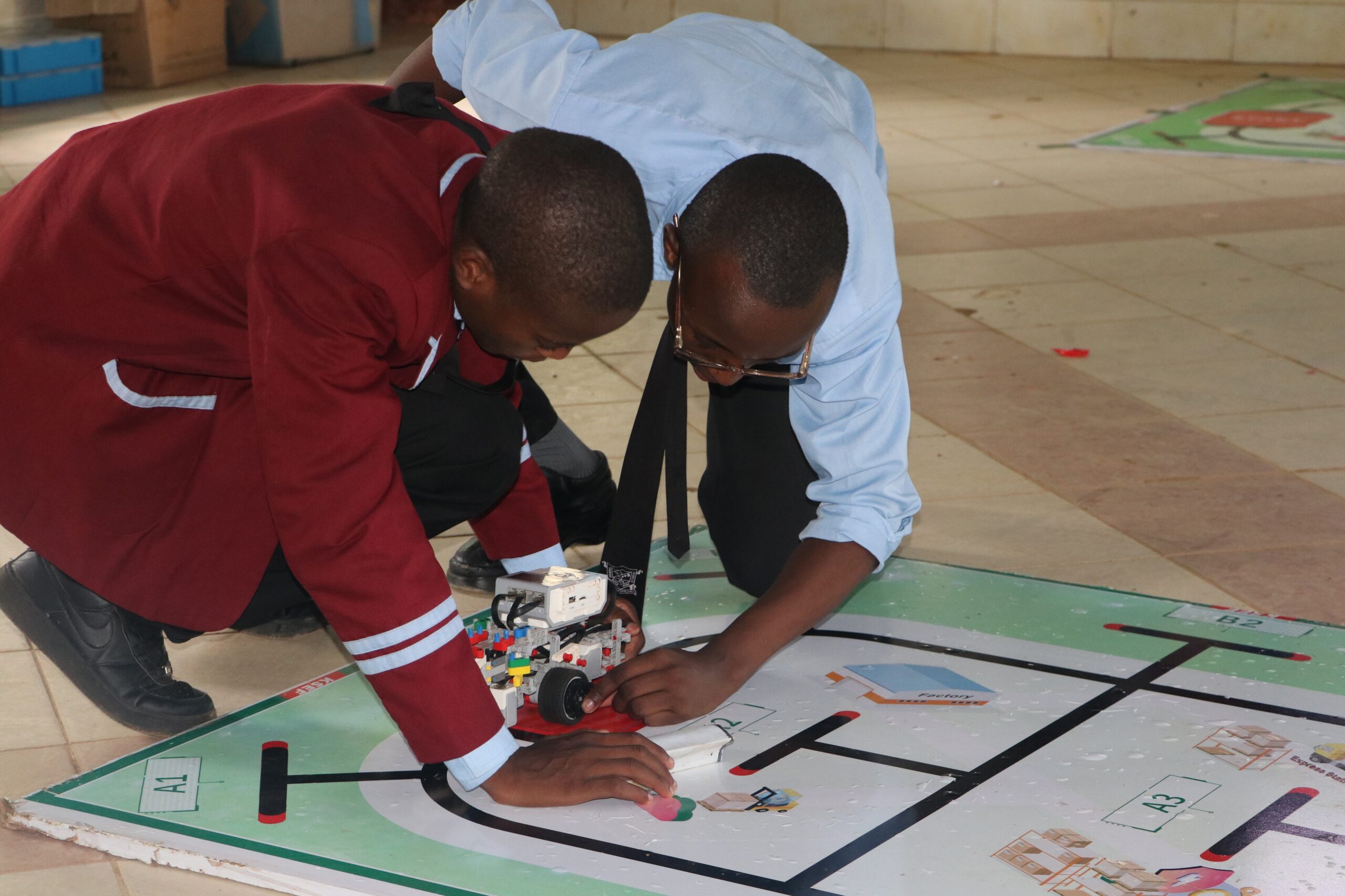
We all remember the high school science congress. The air filled with the smell of glue and the constant buzz of small machines. Tables lined with handmade models including solar-powered cookers, simple irrigation systems, and tiny wind turbines trying their best to light a single bulb.
That’s where many of us first saw the sparks of genius and real creativity.
But as we moved from high school to universities, TVETs, TTCs, and innovation hubs, a dangerous pattern followed. Students possess the knowledge of how to innovate, yet remain illiterate in the language of intellectual property rights.
In today’s academic system, students spend months working on code or writing original research as part of their coursework. Then, at exhibitions and presentations, they share everything; their ideas, their designs, and their thinking, with judges, cameras, and sometimes potential investors, often receiving nothing more than a grade or a certificate in return.
In university, it is called a “final year project.” That word ‘project’ makes it sound temporary, something done to pass a course. But in reality, that same work could be a product, a business, or even a patent.
When a student treats their invention like an assignment or their book like a term paper, neither do they see the need for a patent nor a copyright.
ALSO READ;
Calls grow for early introduction of practical skills in schools to enhance technical expertise
That gap in awareness has created opportunity for the wrong people. These individuals roam science fairs and innovation hubs offering students quick money in exchange of signing away the rights to an idea that could be worth millions.
Recent events have shown that these fears are not baseless. In a landmark ruling, the High Court ordered Safaricom to compensate innovator Peter Nthei Muoki Ksh1.4 billion over claims linked to the M-Pesa child wallet concept after the court found elements of copyright infringement in a product he said closely mirrored an idea he had earlier pitched to the company.
Whether the case survives appeal or not, it has reignited national conversation around ownership, innovation, and what happens when powerful institutions commercialize ideas that originate elsewhere.
At the same time, fear is quietly holding others back. Some students never fully develop or share their ideas at all, worried they will be stolen the moment they are made public.
Then there is the school itself. Does the school own the invention because the student used its laboratory? Or does the student own it because it’s their original thought?
Without clear Intellectual Property (IP) desks or offices in our colleges and universities, students often find themselves in a legal tug-of-war with the very institutions meant to mentor them or at the hands of vultures ready to snatch their original ideas and innovations.
Most student handbooks contain a section on Intellectual Property (IP). While these rules exist in the handbook, they are rarely explained to students in person. This is exactly why students remain illiterate in their rights until it’s too late.
In reality, ownership can shift under several common conditions: when students use specialized institutional resources, participate in sponsored research, work as employees or research assistants, or collaborate closely with faculty. In such cases, rights may be shared, or transferred entirely.
ALSO READ;
Kiambu youth gain digital boost as Romanian Ambassador donates computers to Ndumberi Hub
Intellectual property literacy should not be optional. It should be part of the learning process, just like research or design. Students need to understand contracts, ownership rights, and the difference between selling and licensing their work.
They also need practical guidance; when to disclose an idea, when to protect it, and how to navigate opportunities without losing control.
Institutions such as Kenya Industrial Property Institute (KIPI) or the Kenya National Innovation Agency (KeNIA) are already playing a role in educating and supporting innovators, offering resources that many students are simply unaware of. Institutions can build on this by creating accessible IP support systems and actively guiding students through the process.
Being a genius in innovation or writing masterpieces is only half the battle, knowing how to own is the other half.
If a student is smart enough to design a working system or write a complete book, then they are capable of understanding ownership, contracts, and rights. The problem is that we do not teach them.
By Mercy Kokwon
You can also follow our social media pages on Twitter: Education News KE and Facebook: Education News Newspaper for timely updates.
>>> Click here to stay up-to-date with trending regional stories
>>> Click here to read more informed opinions on the country’s education landscape