- CS Julius Ogamba’s appearance before Parliament has renewed debate over how schools protect learners beyond classrooms.
- Bahati MP Irene Njoki raised concerns about reporting times amid insecurity and gender-based violence affecting some communities.
- Hillary Muhalya argues that learner protection must encompass transport, infrastructure, mental health, digital safety and school routes.
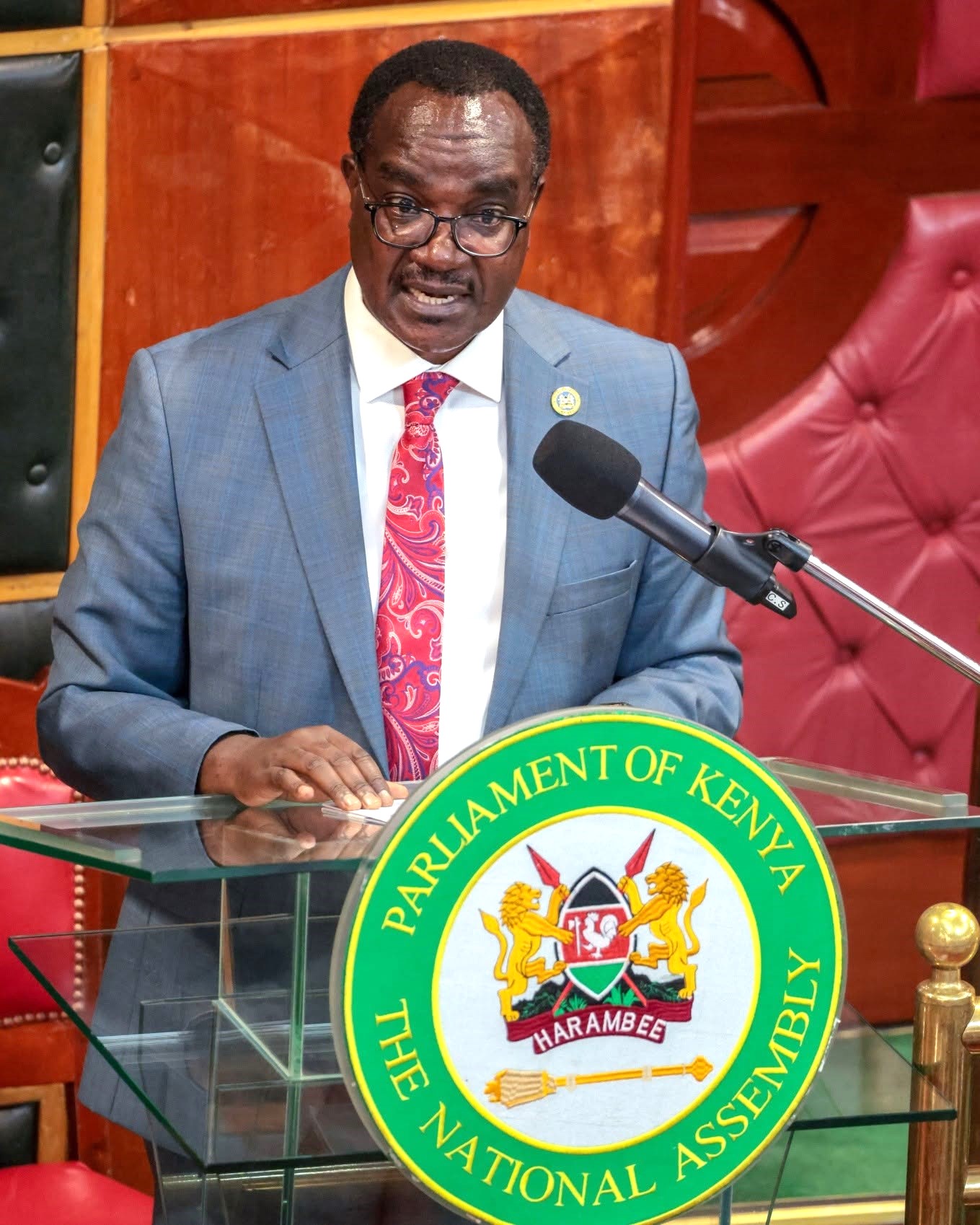
Education Cabinet Secretary Julius Migos Ogamba has appeared before the National Assembly to respond to concerns over learner safety and welfare, placing renewed focus on school reporting times and the wider responsibility of Government to protect children as they access education.
The CS was responding to questions raised by Bahati MP Irene Njoki, who sought clarity on measures to review and harmonise reporting times in public learning institutions while safeguarding learners and ensuring that schools retain adequate instructional hours.
The questions bring into sharp focus a difficult reality facing Kenya’s education system: learners do not experience the same security conditions simply because they attend schools governed by the same national education policies.
In some communities, early-morning and late-evening journeys to school may expose children to insecurity, violence and other dangers. Njoki specifically raised concerns affecting areas experiencing heightened insecurity and increased cases of sexual and gender-based violence (SGBV), including Bahati Constituency.
The emerging policy debate is therefore not simply about what time learners should report to school. It is about whether the education system can guarantee that children are safe before they enter the classroom, while they are learning and when they return home.
Any effort to harmonise school reporting times must take learner safety into account.
A uniform national timetable may provide administrative consistency, but schools operating in areas with different security realities may require carefully considered flexibility.
Reporting and dismissal times should therefore be informed by local security assessments, transport arrangements, daylight hours and the risks learners face along their routes.
The objective should not be to reduce learning time but to ensure that instructional hours are organised without unnecessarily exposing children to danger.
Securing routes to and from school
Learner protection must extend beyond the school gate.
A child may be perfectly safe inside a school compound but vulnerable while walking home, waiting for transport or travelling through isolated areas.
The Ministry, security agencies, schools, parents and communities therefore need to identify dangerous routes and develop practical measures to protect learners travelling between home and school.
The concerns surrounding SGBV demand stronger prevention and response mechanisms.
Schools need clear systems for reporting suspected abuse, protecting victims and ensuring that allegations are promptly referred to the appropriate authorities.
Teachers, school administrators, parents and learners should also understand where and how to report cases without fear of intimidation or retaliation.
Learner safety must include protection from sexual exploitation, harassment, bullying, violence and other forms of abuse.
Safer school transport
Transport is another critical part of learner protection.
Parents should not simply wait for the school van or bus and bid their children goodbye. They need confidence that the vehicle is roadworthy, the driver is properly qualified and the transport arrangement has adequate safety measures.
Schools also have a responsibility to establish clear transport policies covering supervision, emergency contacts, passenger capacity and safe boarding and alighting points.
Learner safety also depends on the physical condition of schools.
Secure gates and fencing, adequate lighting, safe classrooms, properly maintained laboratories, secure dormitories, safe sanitation facilities and appropriate emergency exits can significantly reduce risks.
Schools should regularly assess their infrastructure and identify hazards before they result in injuries or other emergencies.
Every learning institution should have practical procedures for responding to fires, accidents, medical emergencies, security threats and other crises.
Learners and staff should know what to do, where to go and whom to contact when an emergency occurs.
Emergency preparedness should not begin after a tragedy. It should be part of normal school management.
Boarding school security
For boarding schools, the responsibility is even greater because learners live within the school environment.
Access control, supervision, lighting, emergency preparedness, dormitory safety and clear visitor-management systems are essential components of protecting children who spend most of their time within school compounds.
Online safety
The definition of learner safety must also move beyond the physical school environment.
As digital learning expands, children are increasingly exposed to cyberbullying, online exploitation, grooming and other digital risks.
Schools and parents need to equip learners with the knowledge and confidence to recognise online threats, protect their personal information and report inappropriate behaviour.
Mental health and learner welfare
Safety also includes the emotional and psychological wellbeing of children.
Learners exposed to bullying, violence, abuse, family difficulties or other traumatic experiences need accessible support systems.
Schools should strengthen counselling and referral mechanisms so that learners do not silently carry experiences that interfere with their education and development.
Government cannot guarantee learner safety alone.
Parents, teachers, school boards, security agencies, county authorities, transport operators and local communities must work together to identify risks and develop solutions.
Communities can play a particularly important role in securing routes to school, reporting suspicious activity and creating safer environments around learning institutions.
The parliamentary engagement therefore provides an opportunity to broaden the national conversation about learner safety.
The question should no longer be limited to what time children should report to school. It should also ask whether they can safely travel to school, whether they are protected from abuse once there, whether their transport is safe, whether the school infrastructure meets basic safety standards and whether they can return home without unnecessary risks.
The Government’s responsibility is to strike the right balance between learning time and protection.
Schools must provide adequate instructional hours, but those hours should never be secured at the expense of children’s safety.
Ultimately, education is meaningful only when learners can access it safely.
READ ALSO: Tragedy hits Vokoli Girls as Form Three student dies in night attack
The message emerging from Parliament is therefore simple but powerful: learner safety cannot be an afterthought in education policy. It must be built into the timetable, the school environment, the journey to school and every decision affecting the welfare of Kenya’s children.
By Hillary Muhalya
Get more stories from our website: Education News
To write to us or offer feedback, you can reach us at: editor@educationnews.co.ke
You can also follow our social media pages on Twitter: Education News KE and Facebook: Education News Newspaper for timely updates.
>>> Click here to stay up-to-date with trending regional stories