



One of the most important shifts introduced by the Competency-Based Education system in Kenya is the recognition that education must do more than produce learners who pass examinations. It must form young people who can think, communicate, create, work with others, solve problems, use technology responsibly, and live as upright citizens in a complex and changing world. That is why the seven core competencies embedded in the curriculum are not decorative additions or fashionable educational jargon. They are the real heart of CBE. If understood and implemented properly, they can help rescue schooling from the old trap of memorisation without understanding and certification without character.
The seven core competencies, namely communication and collaboration, self-efficacy, critical thinking and problem solving, creativity and imagination, citizenship, digital literacy, and learning to learn, reflect a deeper truth about modern education. The world our learners are entering is not impressed by mere recall of facts. It demands adaptability, judgment, innovation, teamwork, and moral grounding. A learner may score highly in school and still struggle in life if he cannot communicate clearly, solve practical problems, manage himself, or work productively with others. That is why Kenya needs these competencies in schools. They speak not only to academic success, but to life readiness.
Communication and collaboration
Communication and collaboration are foundational because no human being succeeds in isolation. Learners must be taught how to express ideas clearly, listen attentively, engage respectfully, and work with others toward a shared goal. In teaching and learning, this can be nurtured through group tasks, class discussions, peer teaching, oral presentations, and projects that demand cooperation rather than individual competition alone. Later in life, this competency shows up in the workplace, in leadership, in marriage, in community life, and in citizenship itself. A learner who has internalised it becomes a person who can build relationships, resolve tensions, and contribute meaningfully in collective spaces.
Self-efficacy
Self-efficacy is equally essential because many learners fail not from lack of intelligence, but from lack of belief in their own capacity. CBE rightly recognises that confidence, resilience, and personal responsibility are part of education. Teachers cultivate self-efficacy when they give learners manageable challenges, celebrate progress, encourage effort, and help students see mistakes not as shameful endings but as part of growth. A learner who develops self-efficacy is more likely to take initiative, persevere under difficulty, and approach the future with courage. In adult life, such a person does not collapse easily before obstacles because school taught him not only content, but confidence.
Critical thinking and problem solving
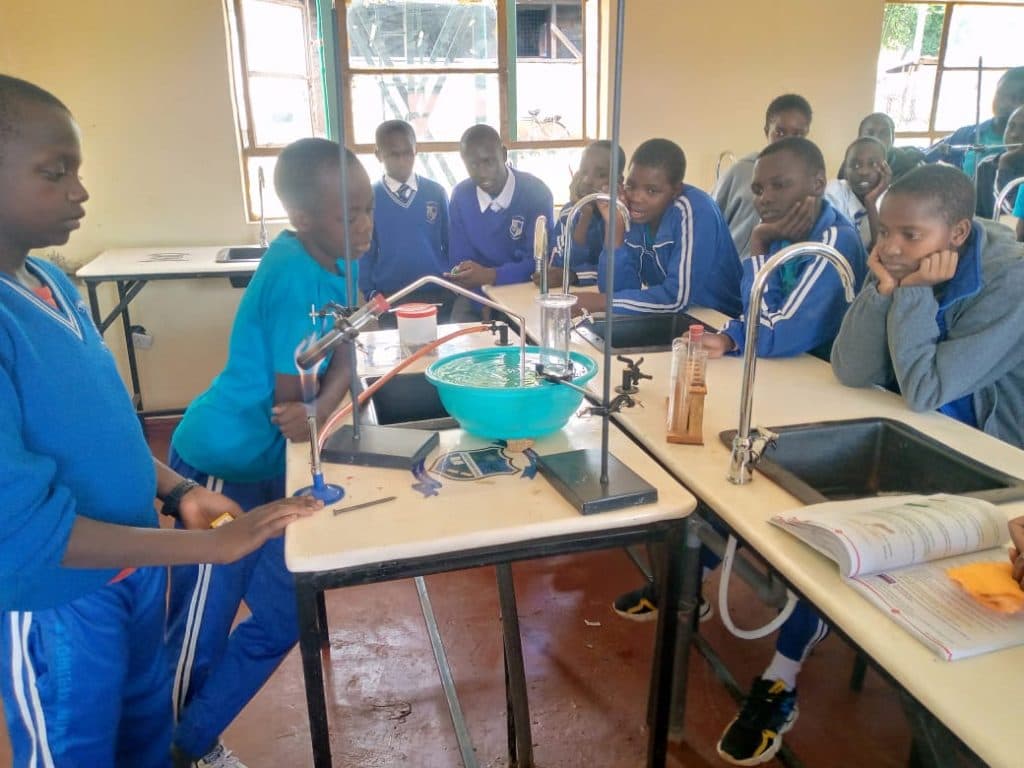
Critical thinking and problem solving may be the most urgent competencies of all in a society flooded with misinformation, shallow opinion, and inherited assumptions. Learners must be taught how to analyse, compare, infer, question, and reason. This demands a departure from classrooms where the teacher speaks, and the learner reproduces. It requires inquiry-based teaching, real-life examples, open-ended questions, case studies, and tasks that force students to think beyond one correct answer. Later in life, this competency helps individuals make sound decisions, resist manipulation, and confront practical challenges intelligently. A country that does not teach critical thinking produces citizens who are easily deceived and easily inflamed.
Creativity and imagination
Creativity and imagination are often misunderstood as luxuries, yet they are central to progress. Every society that advances does so because some of its people can imagine possibilities beyond what already exists. Schools should therefore allow room for design, storytelling, art, experimentation, innovation, and flexible thinking across all subjects, not only in traditionally creative disciplines. When learners are encouraged to create rather than merely consume, they develop confidence in original thought. In later life, this becomes entrepreneurship, innovation, cultural expression, and the ability to see solutions where others see only limits.
Citizenship
Citizenship is indispensable because education without moral and social responsibility can produce highly skilled selfishness. Learners need to understand rights, duties, justice, diversity, peace, environmental stewardship, and the common good. This competency should be incorporated through class dialogue on social issues, school service activities, democratic participation, and the modelling of fairness and responsibility within the school environment itself. Later in life, a learner grounded in citizenship becomes more than a job seeker. He becomes a responsible member of society, one less likely to embrace corruption, tribal hatred, violence, or indifference to public wrong.

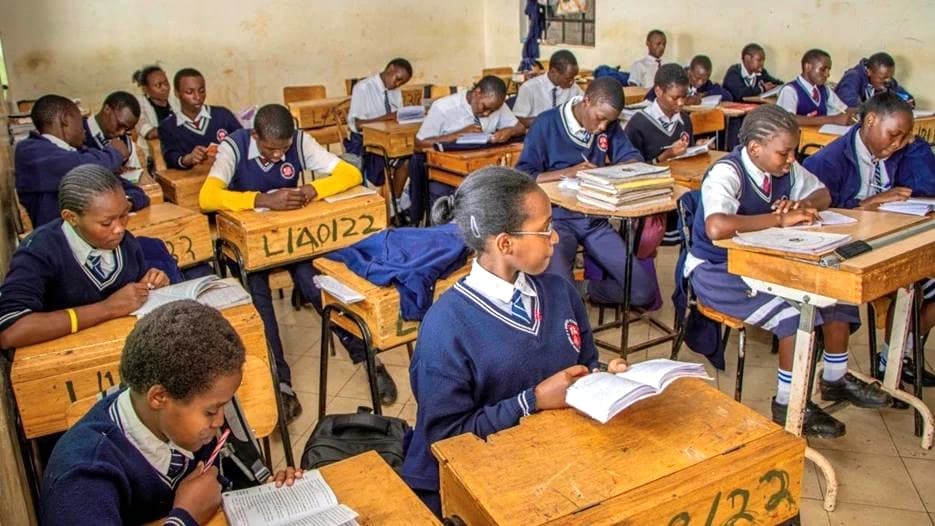
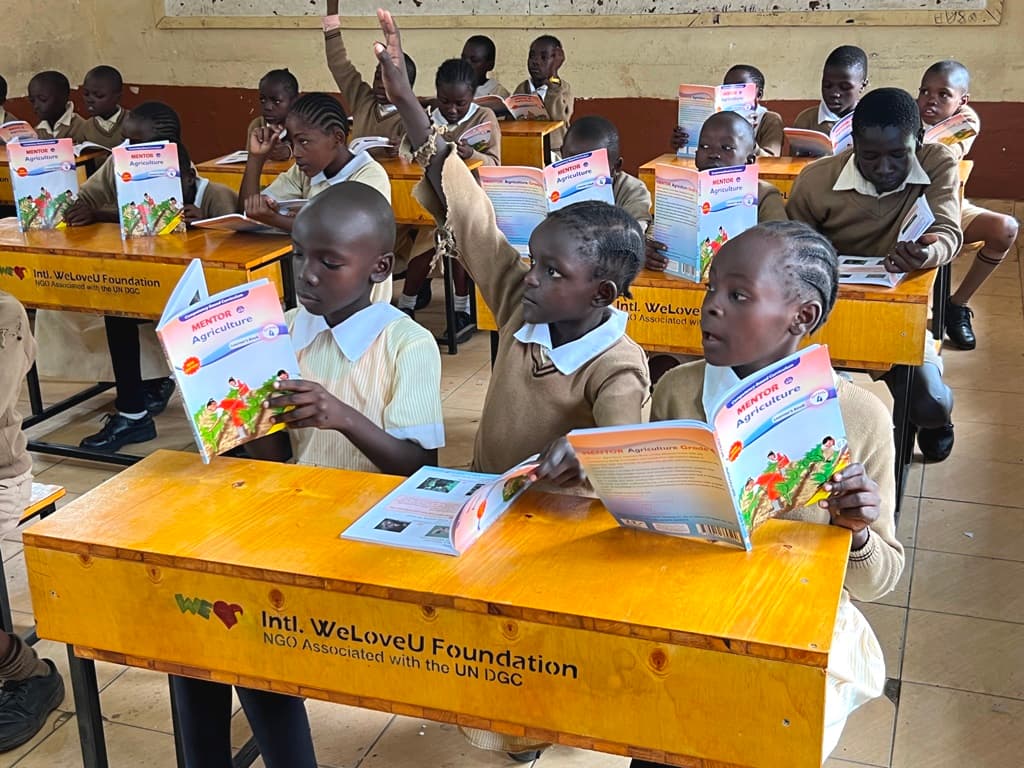
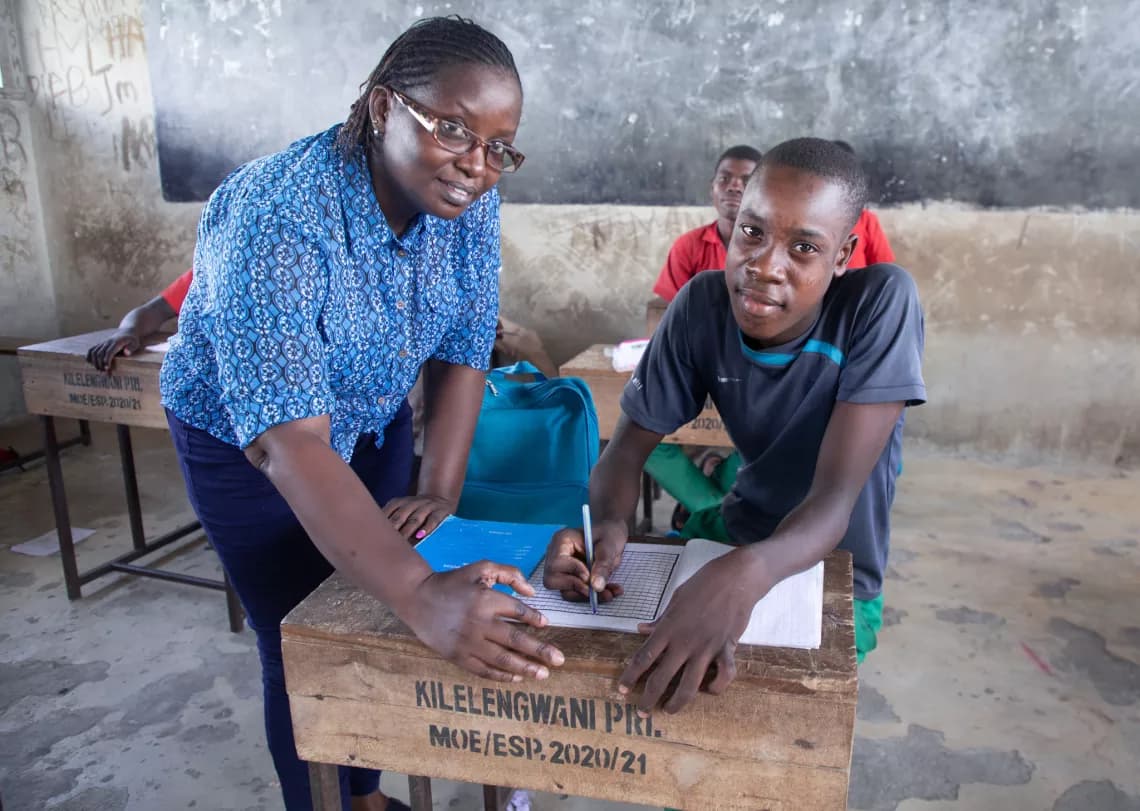
CBC learners in a classroom. Parents have called on the government to review the new system.
Digital literacy
Digital literacy is no longer optional. The modern child lives in a world shaped by screens, platforms, algorithms, and online information. Schools must therefore teach more than basic device use. Learners need to know how to search responsibly, evaluate information critically, communicate ethically online, protect privacy, and use digital tools productively. Teachers should integrate digital tasks into learning while also discussing the dangers of misinformation, dependency, and abuse. In later life, digital literacy opens doors to work, research, innovation, and informed participation in the modern economy.
Learning to learn
Learning to learn may be the most transformative competency because it teaches the learner how to remain teachable. In a world where knowledge changes rapidly, no school can teach everything. What it can do is cultivate curiosity, reflection, discipline, and the ability to continue learning independently. Teachers nurture this by encouraging research, self-assessment, reading habits, goal-setting, and reflective practice. A learner who masters this competency does not stop growing when school ends. He carries the spirit of learning into adulthood, which is perhaps the greatest gift education can give.
READ ALSO: The moral foundations of CBE: Why the eight core values must be taken seriously
The tragedy would be for schools to recite these competencies in policy documents while continuing to teach as though education were only about notes and grades. That would turn a noble vision into empty ceremony. Kenya needs these competencies in schools because the country needs citizens who can think, work, adapt, and live well. The true success of CBE will not be measured by how often these seven competencies are mentioned, but by whether learners actually embody them long after they leave the classroom. That is when education becomes real. That is when competence becomes character. And that is when school begins to justify itself to life.
By Newton Maneno
Email: manenonewton1@gmail.com
>>> Click here to stay up-to-date with trending regional stories
>>> Click here to read more informed opinions on the country’s education landscape



Reader Discussion (0)
Sign in to comment