- Unless accompanied by massive investment in all public secondary schools, the proposal may end up redistributing learners rather than redistributing quality.
- It is therefore unfair to blame successful schools for attracting many learners when government has failed to provide similar opportunities elsewhere.
- Instead of capping enrolment, Parliament should champion policies that increase opportunities rather than reduce them.
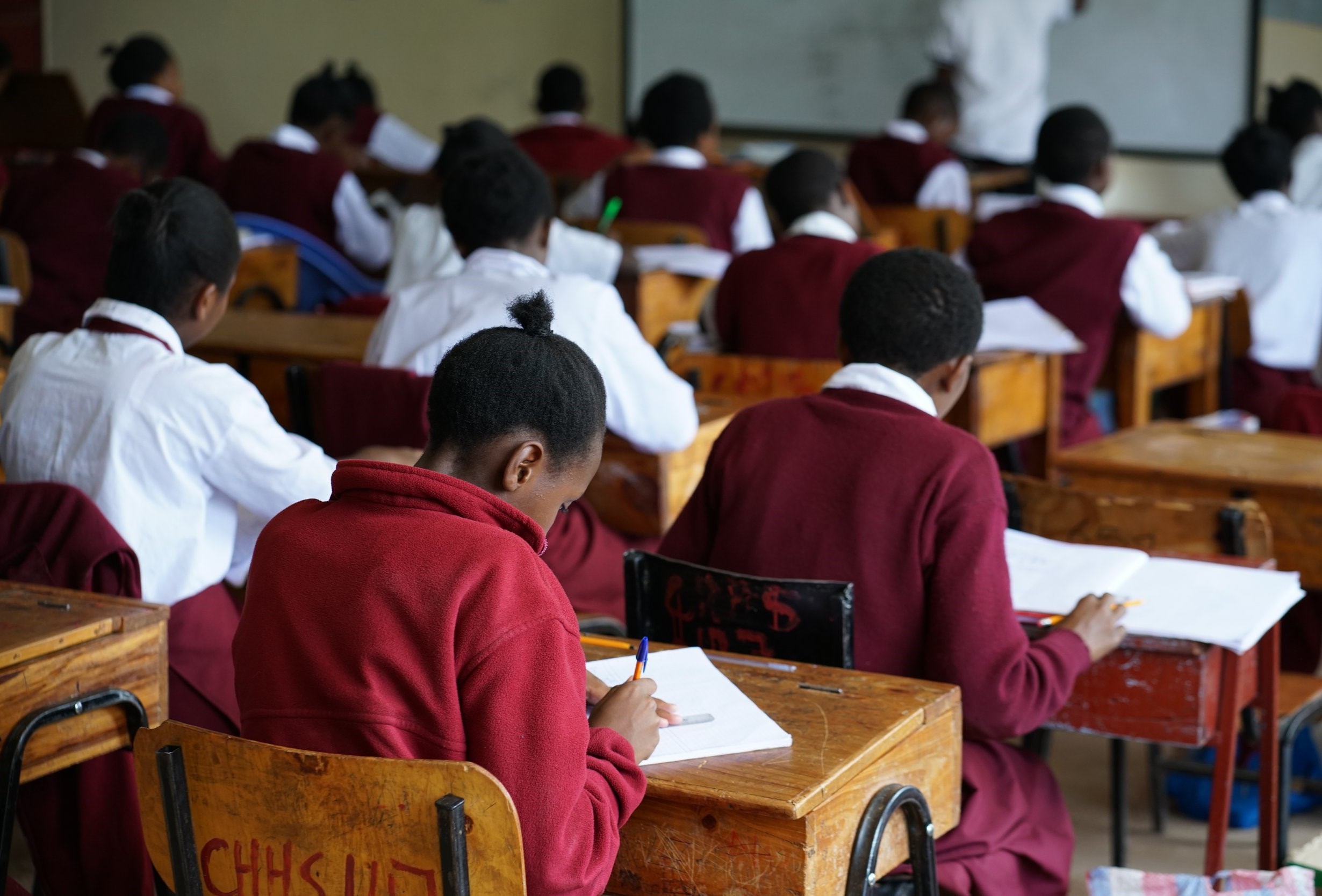
The proposal by Members of Parliament to cap Grade 10 admissions in top secondary schools at 400 learners has been presented as a bold step towards achieving equity in education. At first glance, the idea appears reasonable. National schools have become overcrowded, stretching classrooms, dormitories, laboratories and teachers beyond their intended capacities. Yet beneath the attractive promise of decongesting elite schools lies a policy that risks addressing the symptoms of Kenya’s education challenges while leaving the real problems untouched. Unless accompanied by massive investment in all public secondary schools, the proposal may end up redistributing learners rather than redistributing quality.
For decades, parents have competed fiercely for admission into a small number of national schools. It is tempting to dismiss this as an obsession with prestige, but the reality is far more complex. Parents seek these schools because they have consistently demonstrated academic excellence, experienced teachers, better infrastructure, stronger discipline, wider co-curricular opportunities and higher transition rates to universities and competitive careers. These institutions have earned their reputations over many years through deliberate investment and effective leadership.
Limiting the number of learners National schools admit will not automatically make county and sub-county schools equally attractive.
The proposal also overlooks an important question. Why have a few schools become so overcrowded in the first place? The answer lies partly in government policy. Kenya has pursued universal access to education, improved transition from primary to secondary school and expanded enrolment across the country. While these policies deserve praise, infrastructure development has not kept pace with the growing learner population. More children are entering secondary schools than ever before, yet classrooms, dormitories, laboratories and teacher recruitment have not expanded proportionately. It is therefore unfair to blame successful schools for attracting many learners when government has failed to provide similar opportunities elsewhere.
The timing of this proposal is also significant. Kenya is preparing for the first intake of Grade 10 learners under the Competency-Based Curriculum. Unlike the previous system, Senior School requires specialised learning pathways supported by well-equipped science laboratories, technical workshops, ICT facilities, creative arts studios and qualified teachers. Many schools are still struggling to meet these requirements. Capping admissions in national schools does nothing to solve this challenge. Instead, it risks sending learners to institutions that may not yet possess the facilities needed to deliver quality education under the new curriculum.
ALSO READ:
Parliament seeks to cap Senior School admissions ahead of 2027 Grade 9 transition
Supporters of the proposal argue that limiting admissions will spread learners more evenly across schools and reduce inequality. While this objective is noble, equality should not mean restricting access to excellence. It should mean expanding excellence so that every learner has access to quality education regardless of where they are admitted. Kenya does not have too many good schools; it has too few. Parliament should therefore focus its energy on transforming county and sub-county schools into centres of excellence through improved funding, better infrastructure, modern equipment and adequate teacher deployment.
There is also the issue of merit. Thousands of learners work tirelessly throughout primary and junior secondary education with the hope of earning places in top-performing schools. Reducing available spaces without creating equivalent opportunities elsewhere could unintentionally disadvantage hardworking learners whose only mistake would be succeeding in an increasingly competitive system. Excellence should be rewarded, not constrained by administrative ceilings that fail to address the deeper inequalities within the education sector.
History offers valuable lessons. Kenya has previously introduced district quotas, affirmative action, day school expansion and the 100 per cent transition policy, all aimed at promoting fairness in education. While these initiatives have improved access, they have not eliminated the overwhelming demand for national schools. Parents continue to seek admission into a handful of institutions because quality remains uneven across the system. Unless government addresses this imbalance directly, limiting admissions will merely intensify competition for the few available places while leaving public confidence in many schools unchanged.
Instead of capping enrolment, Parliament should champion policies that increase opportunities rather than reduce them. More classrooms, laboratories, dormitories and libraries should be constructed. Teacher recruitment should be accelerated to reduce staffing shortages. Schools preparing to offer specialised Senior School pathways should receive adequate equipment long before learners arrive. Every county should have several schools capable of matching today’s national schools in academic performance, facilities and learner support. Such investment would naturally reduce pressure on traditional elite schools because parents would have confidence in the quality available closer to home.
ALSO READ:
Government enlists NGAO officers to drive grassroots campaigns toward 2 million TVET enrollment
Educational reform should inspire hope rather than create new limitations. The goal should not be to make successful schools smaller but to make every public secondary school successful. Reputation cannot be legislated through parliamentary motions. It is built through sustained investment, visionary leadership, dedicated teachers, disciplined learners and supportive communities. Until these ingredients are available across the country, limiting admissions to top schools will remain a cosmetic solution to a structural problem.
As Kenya embarks on the CBC Senior School journey, policymakers have an opportunity to shape a more equitable education system. That opportunity lies not in restricting access to quality but in multiplying centres of excellence throughout the country. When every school offers high standards of teaching, adequate facilities and equal opportunities for learners to thrive, parents will no longer feel compelled to compete for a handful of prestigious institutions. Until then, capping Grade 10 admissions risks treating the symptoms of inequality while leaving the underlying disease firmly in place.
By Ashford Kimani
Ashford is a teacher of English and Literature who writes about education and social affairs.
You can also follow our social media pages on Twitter: Education News KE and Facebook: Education News Newspaper for timely updates.
>>> Click here to stay up-to-date with trending regional stories
>>> Click here to read more informed opinions on the country’s education landscape
>>> Click here to stay ahead with the latest national news.