-
The writer contends that the systemic congestion within our schools could be a primary catalyst for learner indiscipline and institutional chaos.
-
She says that government’s commitment to a 100 percent primary-to-secondary school transition policy is both socially noble and structurally transformative, but institutions must be critically evaluated whether they are being stretched far beyond their structural and psychological carrying capacities.
In the wake of the recurrent waves of unrest witnessed across Kenyan secondary schools, a deafening silence has inevitably followed. Dormitories are hastily rebuilt, official investigations are launched, and a veneer of normalcy is gradually restored.
Yet beneath this calm exterior lies a disturbing, persistent question that stakeholders refuse to confront: Could the systemic congestion within our schools be a primary catalyst for learner indiscipline and institutional chaos?
The cost of unprecedented access
As a nation, we have rightly championed the fundamental right of every child to access secondary education. The government’s commitment to a 100 percent primary-to-secondary school transition policy is both socially noble and structurally transformative.
However, while we celebrate these soaring enrollment figures, we must critically evaluate whether our institutions are being stretched far beyond their structural and psychological carrying capacities.
In our aggressive quest to accommodate every single learner, are we inadvertently engineering environments that compromise basic comfort, strip away human dignity, and sabotage effective learning?
The renowned architect and urban planner Jan Gehl famously observed:
“First we shape the cities, and then they shape us.”
The exact same principle governs our educational ecosystems. The physical spaces we curate for learners ultimately dictate their behaviour, peer relationships, emotional well-being, and academic performance.
ALSO READ:
Gov’t to include students in school unrest National Task Force team
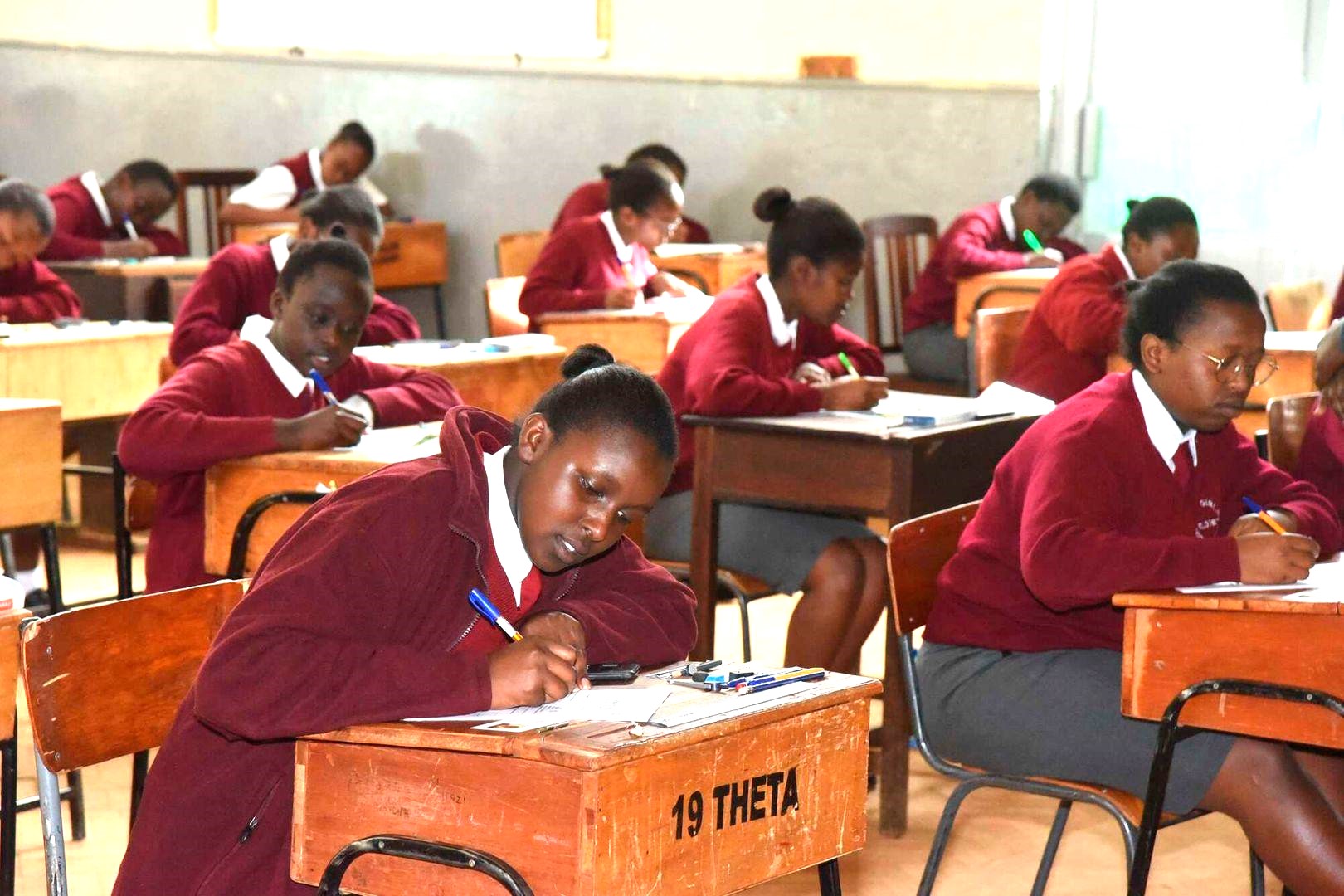
Across the country, numerous public schools are grappling with severely overcrowded classrooms, suffocating dormitories, overstrained sanitation facilities, inadequate dining halls, and virtually nonexistent recreational spaces.
When institutional enrollment vastly outpaces available infrastructure, learners are forced into a daily, hyper-competitive struggle for basic spatial resources. While physical congestion alone may not fully explain acts of arson or riots, sweeping its psychological toll under the rug is an exercise in administrative denial.
The constitutional and legal imperative
This crisis extends far beyond mere administrative inconvenience; it is a profound constitutional and legal issue. Article 28 of the Constitution of Kenya (2010) explicitly dictates that every person has inherent dignity and the right to have that dignity respected and protected.
Furthermore, Article 31 guarantees the right to personal privacy, while Article 53(1)(d) strictly safeguards children from abuse, neglect, violence, and inhuman treatment.
These constitutional benchmarks serve as a stark reminder that learners are not mere statistics filling up school admission registers; they are developing young citizens entitled to personal space, safety, and decent living conditions.
In tandem with the constitution, the Basic Education Act of 2013 legally obligates educational institutions to provide safe, secure, and child-friendly learning environments. Schools are mandated to holistically nurture learners academically, socially, and emotionally.
ALSO READ:
Utumishi Girls Academy set to reopen a month after deadly dormitory fire
Yet, when physical infrastructure is pushed to its absolute breaking point, fulfilling these statutory objectives becomes mathematically and operationally impossible.
Winston Churchill’s iconic reflection carries profound weight in today’s troubled educational landscape:
“We shape our buildings; thereafter they shape us.”
Sustained exposure to crowded, high-density environments gradually erodes a student’s emotional resilience and chips away at their self-worth, creating an undercurrent of volatile tension.
A learner, who navigates overcrowded classrooms by day, sleeps in a congested dormitory by night, and queues indefinitely for basic meals and sanitation will inevitably experience profound frustration, cognitive fatigue, and deep alienation from the school culture.
A view from the frontlines
As an educator intimately embedded within the Guidance and Counseling Department, I regularly witness students struggling to cope in environments where personal boundaries are systematically obliterated.
While a resilient majority manages to adapt externally, a vulnerable segment of the student population silently battles chronic stress, acute anxiety, and a pervasive sense of institutional neglect. Left unaddressed, these internal emotional crises eventually manifest externally as structural indiscipline, fractured peer relationships, and plummeted academic focus.
This systemic strain demands an urgent, localized policy response: Should the Ministry of Education establish and strictly enforce immutable admission-capacity guidelines for all learning institutions? Every school possesses a definitive carrying capacity determined by the literal square footage of its classrooms, dormitories, and sanitation blocks, alongside its baseline staffing levels.
Respecting and enforcing these structural limits is not an attempt to deny children educational opportunities; rather, it is an indispensable strategy to ensure that the education delivered is safe, qualitative, and sustainable.
Balancing equity with institutional quality
Resolving this crisis requires a coordinated effort to align enrollment growth with aggressive infrastructure development. Boards of Management, parents, institutional sponsors, and national government agencies must forge strategic partnerships to expand physical facilities in real-time.
ALSO READ:
PS Mbaika condemns abuse of women leaders, says it discourages young girls
Concurrently, school-based guidance and counseling programs must be retrofitted from reactive crisis-management units into proactive emotional support systems, providing learners with structured, safe platforms to voice their grievances before internal frustrations boil over into destructive unrest.
Ultimately, this national discourse is not about restricting access to education, but about balancing equity with institutional quality, physical safety, and student well-being.
These operational imperatives must progress hand-in-hand. Adhering to recommended facility limits is not a bureaucratic box-checking exercise; it is an existential investment in the mental health of our children and the stability of our nation.
Our high schools should stand as beacons of hope, centers of intellectual curiosity, and spaces that refine human character. They must never be allowed to resemble overcrowded holding facilities where youth must fight for space, privacy, and basic comfort.
When we deliberately provide environments that respect human dignity, structural discipline becomes natural to cultivate, and true learning flourishes. The post-unrest silence currently echoing through our school corridors is loud enough to act as an ultimatum.
Let it compel policymakers and school leaders to finally look past the symptoms of student anger and decisively fix the broken environments fueling the fire.
Astiba Kebongo
You can also follow our social media pages on Twitter: Education News KE and Facebook: Education News Newspaper for timely updates.
>>> Click here to stay up-to-date with trending regional stories
>>> Click here to read more informed opinions on the country’s education landscape