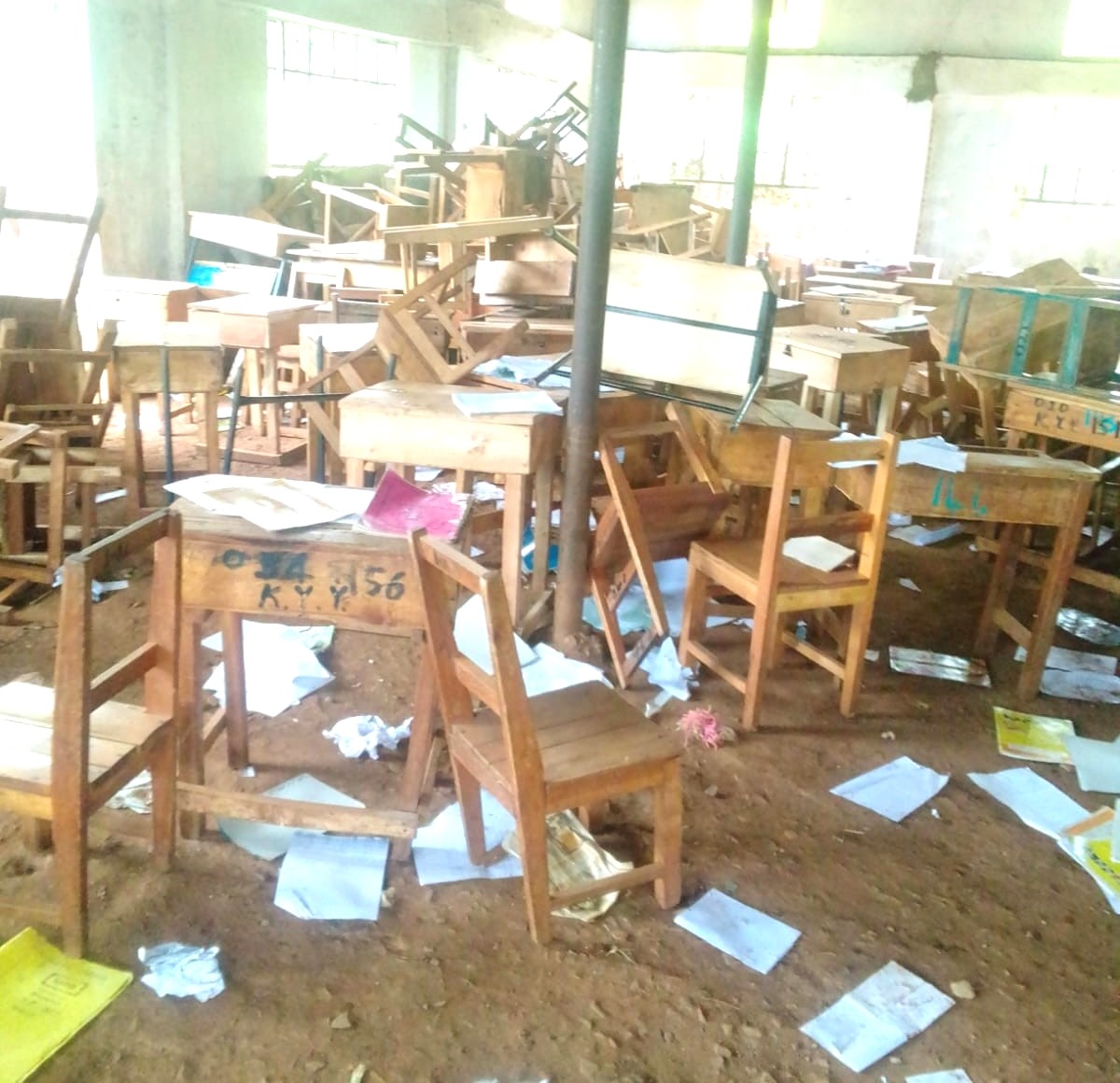
- Education commentator Enock Okong’o argues that rising cases of school unrest reflect a deeper crisis of parental absence and guidance.
- He says many parents are investing heavily in their children’s education but spending little time counselling and mentoring them.
- According to Okong’o, restoring discipline in schools begins with restoring parental presence at home
By Enock Okong’o
Parents today are some of the hardest-working people you will meet. They wake before dawn, run businesses, hold down jobs, chase contracts and send money home without fail.
If effort is measured by hours worked and money earned, they are relentless. But if it is measured by time spent teaching, listening to and guiding their children, many have gone quiet.
The contradiction is simple: they are working hard for their children, but they have little time left to counsel them. When children grow without guidance, the consequences often emerge in places parents never intended.
The Link to School Unrest
The rise of lawlessness in schools, reflected in strikes, vandalism and arson, is not simply a failure of students. It is also a symptom of parents who are absent from the one role that cannot be outsourced.
Economic pressure is real. School fees, rent, food and medical bills do not pay themselves.
Many parents believe that providing money is the same as providing care. They send their children to the best schools they can afford, assuming the school will do the parenting.
What Schools Cannot Replace
Teachers are expected to teach, discipline, instill values and identify learners who may be struggling emotionally or socially.
However, a school cannot replace a parent at the dinner table.
A text message cannot replace a conversation where a child admits they are frustrated, tempted or confused.
When parents are physically absent and emotionally unavailable, children often learn to solve problems through peers, impulse or anger.
Understanding the Roots of Indiscipline
Lawlessness in schools does not emerge overnight.
Arson, strikes and destruction of property are often signs of frustrations that have been building over time.
A child who has never been taught how to manage anger may express it destructively. A teenager who has never been corrected at home may interpret school rules as an attack rather than a boundary.
When no adult has consistently invested time in teaching responsibility, respect and consequences, the school becomes the first place where those lessons are attempted, often too late.
The Cost of Absence
Parents are often shocked when their children become involved in unrest, and many are quick to blame schools, government or peer influence.
Yet a difficult truth remains: a child who does not feel seen, heard or understood at home may seek attention elsewhere, sometimes in harmful ways.
There is nothing wrong with ambition. A parent who builds a business or holds a demanding job demonstrates diligence and determination.
But diligence without direction can create hardworking adults who unintentionally raise strangers.
Presence Matters More Than Perfection
Children do not need parents who are constantly exhausted and unavailable.
They need parents who are present enough to ask, “What is bothering you?” and patient enough to listen to the answer.
Counselling does not require hours. It requires consistency.
A few minutes of undivided attention each day, genuine interest in a child’s friendships and challenges, and a willingness to correct behaviour before it hardens into character can make a significant difference.
If society wants fewer fires in schools, fewer strikes and fewer acts of destruction, it must begin by addressing parental absence at home.
Parents must examine how they spend their time.
Are they working long hours to build a future that their children may later destroy because they were never taught self-control?
Are they so focused on creating wealth that they are raising children who do not appreciate or value what is being built for them?
Hard work should serve the family, not replace it.
READ ALSO: Ekerubo CCF dormitory gutted by fire days after MP raised alarm
The goal is not simply to provide children with material things. It is to equip them with judgment, discipline and the assurance that someone at home cares enough to guide them before the world is forced to correct them.
You can also follow our social media pages on Twitter: Education News KE and Facebook: Education News Newspaper for timely updates.
>>> Click here to stay up-to-date with trending regional stories
>>> Click here to read more informed opinions on the country’s education landscape