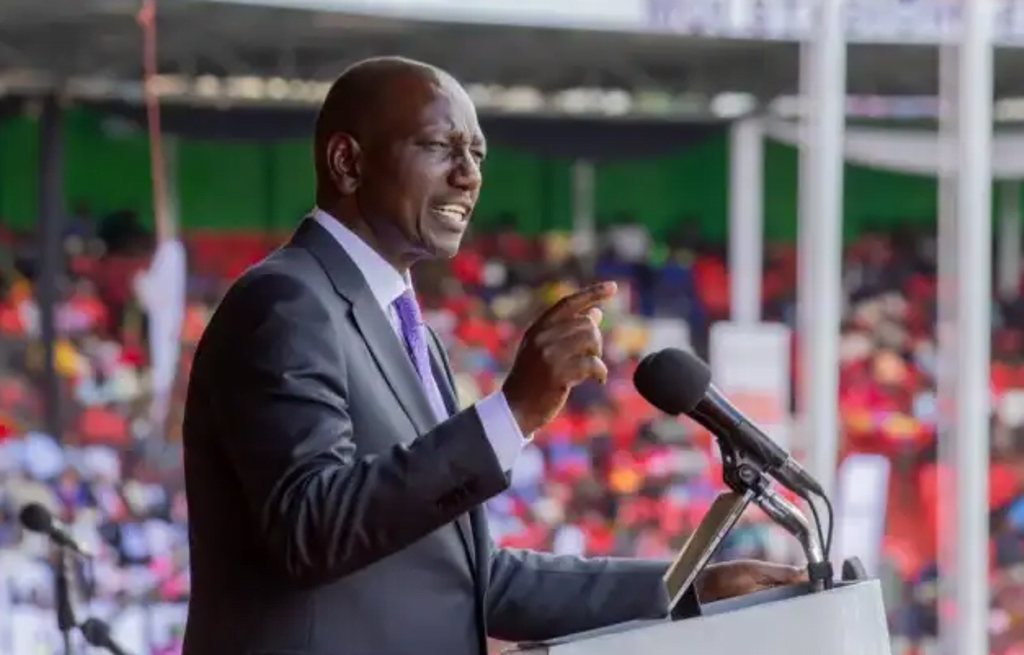
Today, Kenya marks the 63rd Madaraka Day in Wajir County under the leadership of President William Ruto. As speeches are made, flags waved and patriotic songs sung, many Kenyans will pause to reflect on what this day once meant and what it has gradually come to represent.
Madaraka Day commemorates June 1, 1963, when Kenya attained internal self-rule from British colonial administration. It was a defining moment in our national journey. The word “Madaraka” itself means authority, responsibility and the right of a people to govern themselves. For millions of Kenyans who had endured colonial rule, land dispossession, racial discrimination and political exclusion, Madaraka symbolized freedom, dignity and hope.
It was a day that belonged to ordinary wananchi.
The farmer in Nyeri, the fisherman in Homa Bay, the teacher in Gatundu, the trader in Wajir and the factory worker in Nairobi all saw themselves in the dream of a free Kenya. Madaraka was less about politicians and more about people. It represented a collective aspiration to build a nation where opportunities would not be determined by race, tribe or social status.
In those early years, national celebrations carried a sense of shared purpose. The country was poor, resources were limited, and challenges were immense. Yet there was a widespread belief that Kenya belonged to all its citizens and that independence would gradually improve the lives of everyone.
More than six decades later, many Kenyans view Madaraka through a different lens.
For some, the day has become a showcase of political power rather than a celebration of national freedom. Attention often shifts from the historical significance of self-rule to the personalities occupying the podium. Discussions before the event frequently revolve around which leaders will attend, who will be recognized, which projects will be launched and which political messages will be delivered.
ALSO READ:
The blessing of a giving heart: What Proverbs 11:24 teaches about generosity
The symbolism has changed.
The ordinary citizen who should be at the centre of the celebration increasingly feels like a spectator. Madaraka has become an event watched on television rather than an experience felt in daily life. The language of freedom has, in some cases, been replaced by the language of protocol. Invitations, security cordons, VIP sections and carefully managed appearances often dominate public attention.
Many Kenyans also struggle to reconcile the promises of self-rule with their lived realities.
A young graduate searching endlessly for employment may wonder what freedom means when economic opportunities remain elusive. A farmer battling high production costs may question whether political independence has translated into economic empowerment.
A teacher managing overcrowded classrooms may ask whether national progress is reaching every corner of society. A small-scale trader burdened by taxes and rising costs of living may feel disconnected from grand national celebrations.
This does not diminish the achievements Kenya has made since 1963. The country has expanded access to education, improved infrastructure, strengthened democratic institutions and nurtured a vibrant entrepreneurial culture. Kenya remains one of Africa’s most influential economies and a significant regional leader.
Yet national holidays are not only occasions for celebration. They are also opportunities for honest reflection.
The greatest danger facing any nation is not the loss of freedom through external forces. It is the gradual erosion of the meaning of freedom from within. When citizens begin to feel excluded from national conversations, when leadership becomes increasingly distant from everyday struggles, and when public ceremonies appear disconnected from public realities, national symbols risk losing their emotional power.
Madaraka was never intended to be a monument to political elites. It was meant to remind every Kenyan that sovereignty ultimately belongs to the people.
Perhaps this is why many older Kenyans speak nostalgically about earlier celebrations. They remember a time when the day carried a stronger sense of collective ownership. The focus was not on who occupied State House or who controlled political power. The focus was on the shared journey of a young nation determined to define its own future.
ALSO READ:
Utumishi Girls fire: DCI identifies 7 suspects in tragedy that killed 16 students
The challenge for contemporary Kenya is therefore not merely to commemorate Madaraka but to reclaim its spirit.
True Madaraka is not measured by the size of a national event, the number of dignitaries present or the scale of a development launch. It is measured by whether citizens feel empowered to shape their own destinies. It is reflected in the quality of public services, the accessibility of opportunities, the strength of democratic institutions and the ability of ordinary people to live with dignity.
As celebrations take place in Wajir today, Kenyans have an opportunity to revisit the original question that inspired the independence generation: what does self-rule mean in the everyday lives of citizens?
The answer cannot be found solely in speeches or ceremonies. It lies in whether freedom is experienced beyond the national anthem, beyond the parade ground and beyond the political stage.
Madaraka remains one of Kenya’s most important national holidays. But its enduring value depends on whether it continues to unite citizens around a common purpose rather than reminding them of the distance between power and the people.
The founders of independent Kenya envisioned a nation where authority would serve citizens, not elevate a privileged few above them. That vision remains unfinished. And perhaps the most meaningful way to honour Madaraka Day is not simply to celebrate the freedom that was won in 1963, but to continually ask whether that freedom is being felt by every Kenyan today.
By Ashford Kimani
Ashford teaches English and Literature in Gatundu North Sub-county and writes on education, literacy and youth development.
You can also follow our social media pages on Twitter: Education News KE and Facebook: Education News Newspaper for timely updates.
>>> Click here to stay up-to-date with trending regional stories
>>> Click here to read more informed opinions on the country’s education landscape