- South Korea’s World Cup exit offers important lessons on accountability, leadership and institutional reform.
- Failure should inspire reflection, learning and stronger systems rather than excuses and blame.
- The lessons extend beyond football to education, business, government and community leadership.
The resignation of South Korea’s national football coach following the country’s disappointing exit from the 2026 FIFA World Cup has sparked conversations that extend far beyond the football pitch. President Lee Jae-myung’s call for an official investigation into the team’s performance demonstrates that, in some societies, failure is not brushed aside with excuses. Instead, it becomes an opportunity for reflection, accountability and reform.
Whether one follows football or not, the episode offers valuable lessons for leaders in government, education, business, churches and community organisations.
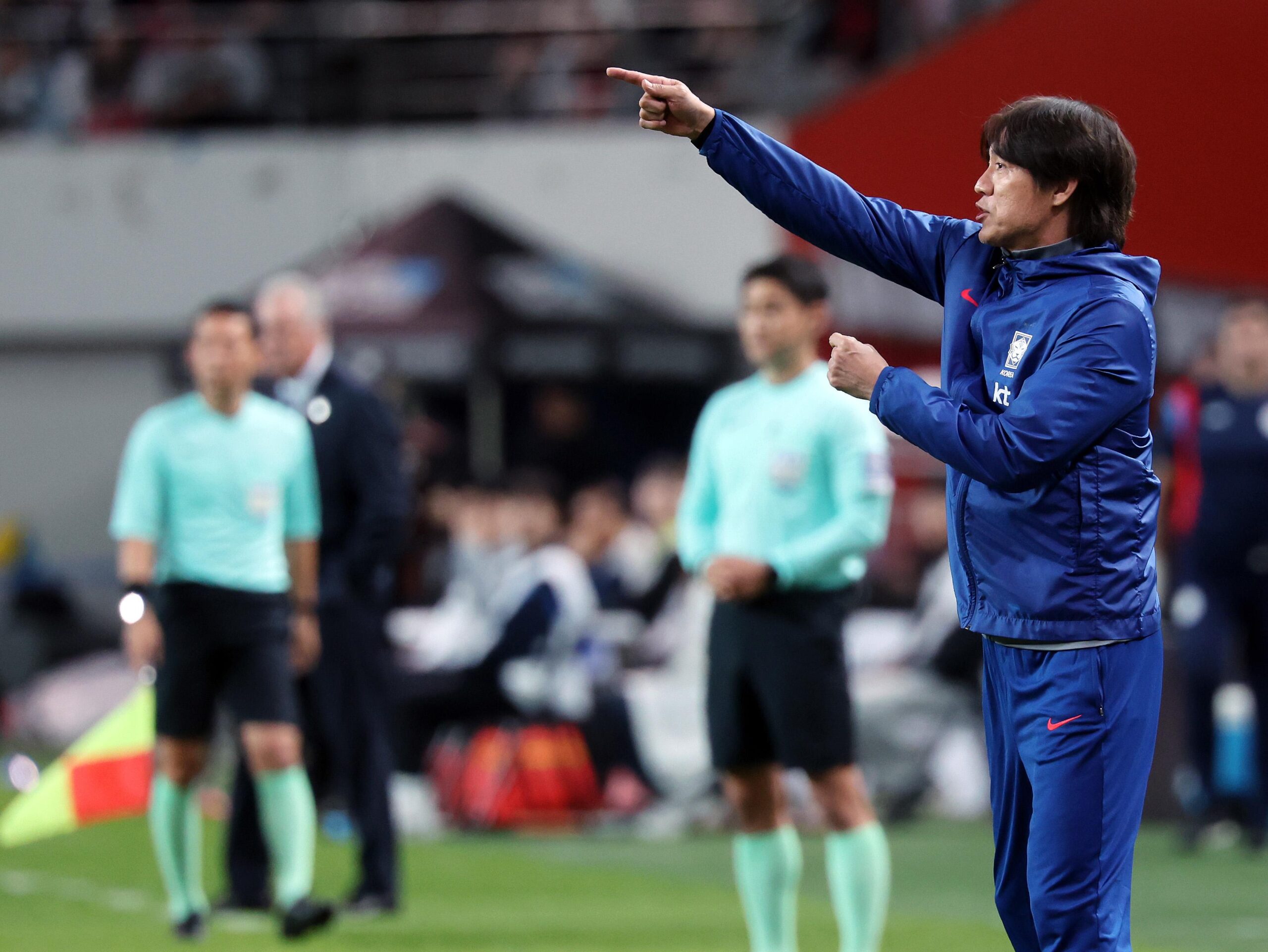
The first lesson is that leadership carries responsibility. Coach Hong Myung-bo did not wait for public pressure to become unbearable. He accepted responsibility and resigned, acknowledging that the team’s performance had fallen below expectations.
Great leaders understand that leadership is not merely about receiving praise when things go well; it also means accepting responsibility when outcomes are poor. Leadership is a trust, not a privilege.
In many institutions, however, leaders are quick to claim success but reluctant to own failure. Targets are missed, projects collapse and organisations lose direction, yet responsibility is shifted to external factors.
True leadership demands the courage to say, “The buck stops with me.”
Accountability builds public trust
Secondly, accountability builds public confidence. President Lee insisted that taxpayers deserve an explanation because public resources had been invested in preparing the national team.
Citizens expect transparency whenever public funds are used. Accountability is not about punishment alone; it is about assuring the public that institutions remain worthy of trust.
The same principle applies to schools, cooperatives, churches, companies and government institutions. Parents, members, shareholders and taxpayers deserve honest communication about both achievements and shortcomings.
Failure should become a classroom
Failure should become a classroom rather than a graveyard. Investigations should not merely identify who is at fault but also establish which systems failed.
Successful organisations do not waste crises. They learn from them.
Many high-performing nations and institutions have achieved excellence by studying failure more carefully than success. Every disappointing outcome presents an opportunity to improve planning, recruitment, preparation, communication and execution.
Preparation also matters. World Cups are not won during the tournament itself. They are won through years of strategic planning, talent identification, coaching development, sports science and sustained investment.
The same principle applies in education. Excellent examination results are rarely accidental. They are the product of careful planning, effective teaching, continuous assessment and disciplined learners.
Likewise, successful businesses, churches and organisations invest in preparation long before major events occur.
Reputation alone is not enough
Another important lesson is that reputation alone cannot guarantee success.
South Korea has long been regarded as one of Asia’s strongest football nations, yet reputation could not substitute for performance. Every generation must earn its own credibility.
Individuals and organisations should remember that yesterday’s achievements cannot secure tomorrow’s victories. Continuous improvement remains essential.
High-performing institutions naturally create high expectations. Rather than fearing those expectations, leaders should use them as motivation to pursue even higher standards.
Building stronger systems
Strong institutions separate people from systems. While individuals make mistakes, organisational weaknesses often contribute significantly to failure.
Wise institutions therefore examine coaching structures, recruitment systems, governance, communication and decision-making processes rather than placing blame on one individual alone.
Education provides a powerful parallel. Poor examination performance should not automatically result in blaming teachers or learners. School leaders should evaluate curriculum implementation, instructional resources, assessment methods, learner support systems, parental involvement and institutional culture.
Humility also remains essential. Success can breed complacency, while failure often restores humility. Organisations that remain teachable usually recover faster because they embrace criticism, innovation and change.
Football also represents far more than sport. It reflects a nation’s identity, discipline, teamwork and aspirations. Leaders should therefore appreciate the symbolic responsibility of representing an institution, a profession or an entire nation.
Turning setbacks into success
Finally, resilience must follow disappointment. Every great football nation has experienced painful defeats. Champions are distinguished not by avoiding failure but by responding wisely to it.
The true measure of South Korea will not be this World Cup exit but the reforms, learning and renewed determination that follow.
For educators, school administrators, cooperative leaders, church officials and public servants, this episode serves as a timely reminder that excellence is sustained through accountability, preparation, transparency, continuous learning and courageous leadership.
Failure should never become a permanent identity. Instead, it should become the starting point for better decisions, stronger systems and renewed commitment to excellence.
South Korea’s painful World Cup campaign may ultimately become a greater victory if it inspires reforms that produce stronger leadership and better results in the years ahead.
READ ALSO: When teachers’ unions roared and governments listened: Why a strong union movement still matters
Every setback carries a hidden question: Will we make excuses, or will we learn?
The answer often determines whether failure becomes the end of the story—or the beginning of a better one.
By Ashford Kimani
Ashford Kimani is a teacher of English and Literature who writes on education and social affairs.
You can also follow our social media pages on Twitter: Education News KE and Facebook: Education News Newspaper for timely updates.
>>> Click here to stay up-to-date with trending regional stories
>>> Click here to read more informed opinions on the country’s education landscape