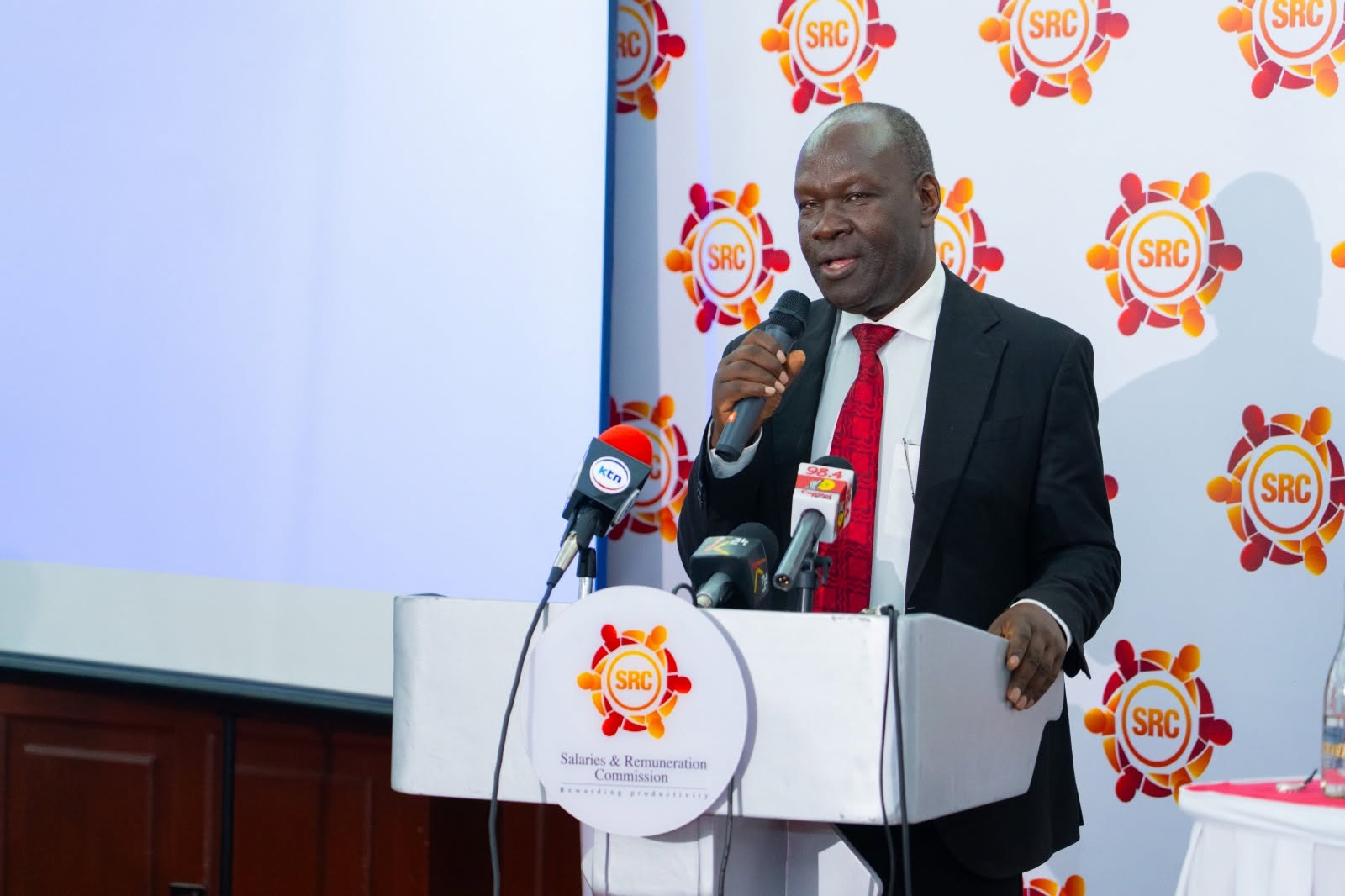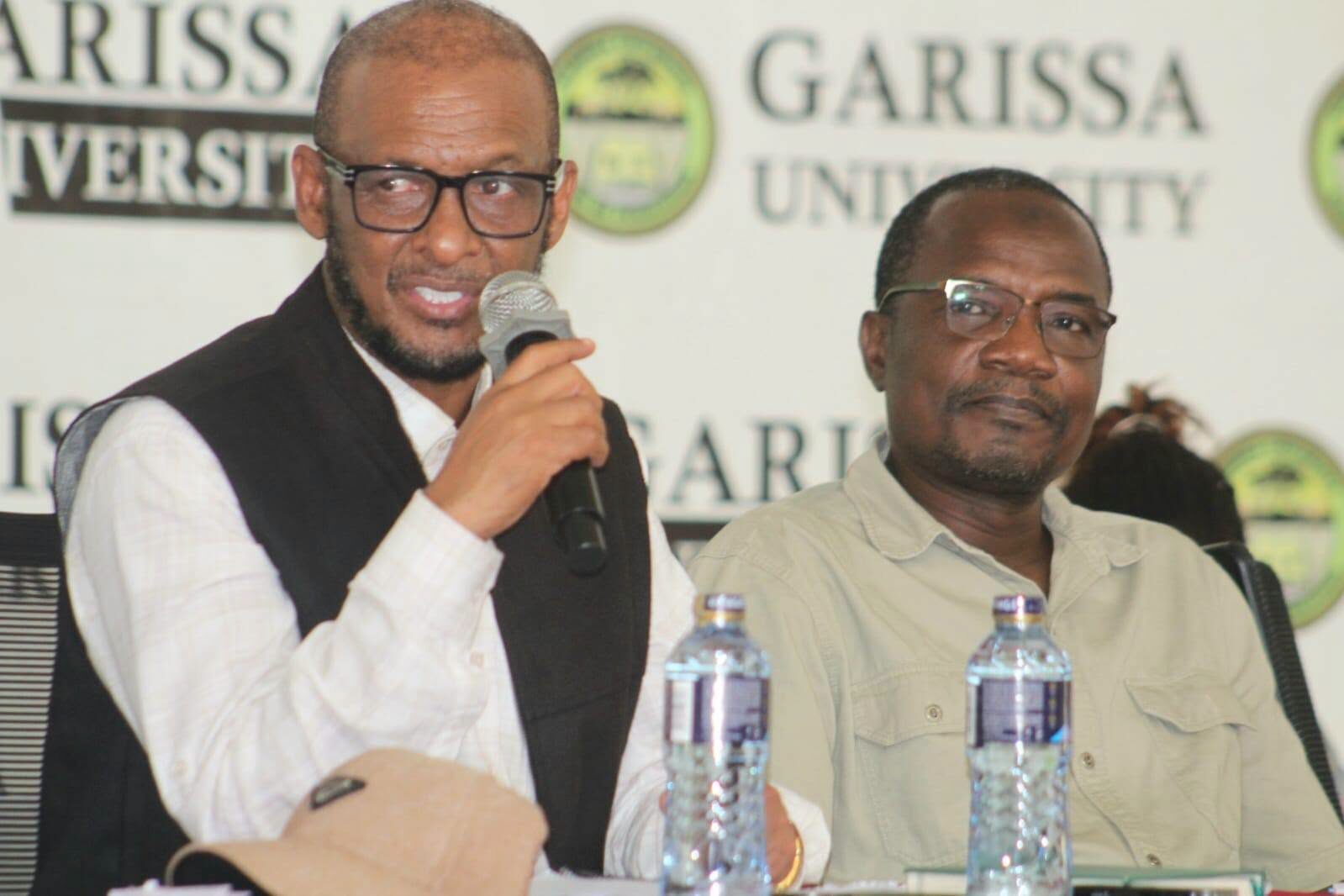
A high-level consultative meeting bringing together Junior Secondary School (JSS) teacher leaders, education officials, and stakeholders from across Kenya took place in Naivasha, Nakuru County, amid growing pressure over the future of Junior Secondary education under the Competency-Based Education (CBE) system.
The engagement, chaired by Basic Education Principal Secretary Julius Bitok, became one of the most significant forums yet where teachers openly expressed frustrations, fears, and expectations surrounding the implementation of CBE in Kenya.
The meeting drew JSS teacher leaders and representatives from all 47 counties, Ministry of Education officials, regional and county education directors, policy implementers, curriculum stakeholders, and representatives associated with the Kenya Junior School Teachers Association (KEJUSTA). Education administrators and union-linked officials also participated in discussions that focused heavily on JSS autonomy, staffing, deployment, infrastructure, teacher welfare, and career progression.
JSS autonomy
What began as an administrative engagement quickly evolved into a national conversation exposing the realities facing teachers tasked with implementing one of Kenya’s biggest education reforms. Beneath the formal presentations and policy discussions lay deep concern among educators who argued that many unresolved issues continue threatening the smooth transition to CBE.
At the centre of the Naivasha discussions was the growing demand for full autonomy of Junior Secondary Schools. Teacher leaders argued that JSS institutions are still operating under structures originally designed for primary schools, creating administrative confusion and professional identity crises.
According to many participants, adolescents in Junior Secondary require management systems, guidance programmes, discipline approaches, and co-curricular activities different from those of lower primary learners.
Teachers explained that the emotional, social, and academic needs of learners aged between 12 and 15 cannot effectively be handled under the same operational structures used in primary education. Some participants warned that unless the government urgently establishes independent and well-defined governance systems for JSS, conflicts in leadership and administration may continue affecting schools across the country.
Administrative confusion
Many educators observed that the current arrangement has generated tension in areas such as timetabling, supervision, resource allocation, and decision-making. Several teacher leaders noted that despite being trained as post-primary educators, they still operate in systems where authority structures remain unclear.
The fear expressed during the meeting was that continued uncertainty may weaken the effectiveness of CBE implementation and lower teacher morale.
Another dominant issue raised in Naivasha was the delayed confirmation of intern teachers to permanent and pensionable terms. Thousands of JSS intern teachers have continued carrying full classroom responsibilities despite remaining under internship arrangements.
Teacher leaders openly expressed frustration over the prolonged uncertainty, arguing that interns perform the same duties as permanently employed teachers but continue receiving lower salaries and fewer benefits.
Delayed employment
Participants noted that intern teachers prepare lessons, manage classrooms, supervise co-curricular activities, assess learners, and handle the same workloads as teachers employed on permanent terms. However, many reportedly continue struggling financially due to lower pay and lack of job security.
Several educators described the situation as demoralizing and unfair, especially during a period of rising economic pressures.
Salary disparities also emerged strongly during the engagement. Teachers argued that equal work should attract equal pay, warning that continued inequalities risk creating frustration within the profession.
Some participants stated that many teachers feel abandoned despite carrying the enormous responsibility of implementing a new education system whose success depends heavily on educators themselves.
Career progression
Career progression concerns equally dominated the discussions. JSS teacher leaders questioned how promotions, deployment, administrative appointments, and professional growth would be handled under the current structures.
Many participants expressed fears that the absence of clear policy direction may leave JSS educators professionally stranded.
Teachers explained that uncertainty surrounding promotions and deployment has generated anxiety among educators who joined Junior Secondary with hopes of career advancement similar to post-primary institutions.
Several stakeholders urged the government to urgently establish transparent promotion structures and clear operational guidelines to secure the future of JSS teachers.
Resource shortages
The Naivasha meeting also exposed serious resource shortages affecting schools implementing CBE. Teachers reported inadequate classrooms, laboratories, ICT facilities, furniture, textbooks, and specialized learning materials needed for practical learning.
In many institutions, Junior Secondary learners reportedly compete for facilities with primary school sections, making effective teaching difficult.
Participants emphasized that CBE requires practical and learner-centred approaches supported by sufficient infrastructure and modern learning equipment. However, many teachers lamented that schools still lack science laboratories, internet connectivity, technical tools, and enough teaching materials.
Some warned that unless infrastructure development matches curriculum demands, the goals of CBE may face major setbacks.
Teacher shortages
Teacher shortages emerged as another pressing concern. Some schools reportedly have very few teachers handling multiple subjects beyond their areas of specialization.
Participants complained of overloaded timetables, continuous learner assessments, and pressure arising from large learner populations. In certain schools, teachers reportedly teach subjects they were never trained to handle simply because of staffing gaps.
Welfare concerns also featured prominently during the engagement. Teachers raised complaints regarding medical cover, with some alleging that existing healthcare schemes have failed to adequately support educators despite salary deductions.
Rising healthcare costs were said to be placing additional financial strain on teachers already facing economic challenges.
Emotional and psychological burden
Beyond administrative and policy matters, the Naivasha engagement also revealed the emotional and psychological burden affecting many educators. Uncertainty over employment status, deployment policies, institutional identity, and future career prospects has reportedly left many teachers frustrated and demoralized.
Teacher leaders warned that quality education cannot thrive where educators constantly operate under stress, fear, and uncertainty.
Questions surrounding representation within teacher unions and professional bodies also surfaced strongly during the discussions. Some participants questioned whether the unique concerns affecting JSS teachers are receiving adequate attention.
Matters touching on autonomy, deployment, welfare, and professional identity were cited as areas requiring stronger advocacy and clearer representation.
Urgent intervention
Education stakeholders attending the meeting acknowledged that the transition from the 8-4-4 system to CBE remains one of the most ambitious reforms ever undertaken in Kenya’s education sector.
However, participants cautioned that poor planning, staffing shortages, delayed policy implementation, and inadequate infrastructure continue threatening the smooth rollout of the programme.
Despite the frustrations expressed during the engagement, teachers maintained that they remain committed to delivering quality education and ensuring the success of Junior Secondary education under CBE. However, many appealed to the government to urgently address the mounting challenges before the situation escalates further.
The Naivasha meeting in Nakuru County therefore became more than just a consultative forum. It evolved into a national platform where educators openly voiced their frustrations, fears, hopes, and expectations regarding the future of Junior Secondary education in Kenya.
The concerns raised revolved around teacher dignity, fair treatment, adequate facilitation, professional recognition, operational independence, and the urgent need for decisive government intervention.
As Kenya continues navigating the CBE transition, the voices emerging from Naivasha may increasingly shape national conversations surrounding education reforms.
For many teachers, the message delivered during the engagement was clear: no education system can succeed when the very people expected to implement it feel unsupported, uncertain, and overwhelmed.
By Hillary Muhalya
You can also follow our social media pages on Twitter: Education News KE and Facebook: Education News Newspaper for timely updates.
>>> Click here to stay up-to-date with trending regional stories
>>> Click here to read more informed opinions on the country’s education landscape