- West Pokot County has unveiled plans to establish model comprehensive schools in every ward under the KPEEL programme to boost enrolment and retention.
- Officials have prioritised schools with adequate land, strong catchment areas and essential services, while excluding flood- and landslide-prone sites.
West Pokot County is set to establish model comprehensive schools in every ward in a move aimed at improving learning facilities, enrolment and retention across the county.
The initiative, being implemented under the Kenya Primary Education Equity in Learning (KPEEL) programme, will see three model comprehensive schools established in each ward, bringing primary, junior and senior schools under one educational complex. Wards with special needs education (SNE) schools will receive an additional model comprehensive SNE school.
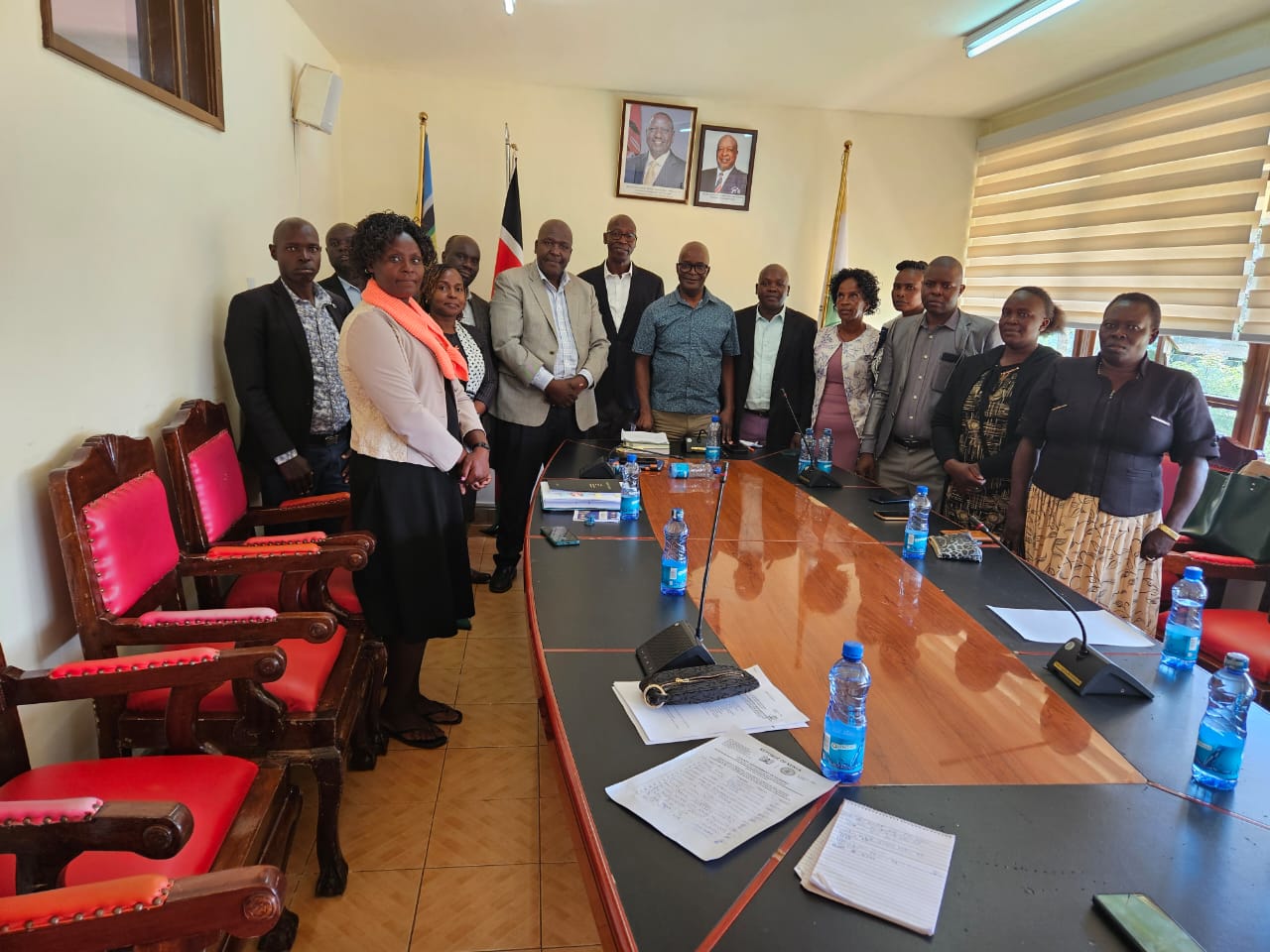
A stakeholders’ meeting held at Mtelo Hall in Kapenguria discussed criteria for selecting beneficiary schools, with officials insisting that the process must ensure equitable distribution and prioritise communities facing the greatest education challenges.
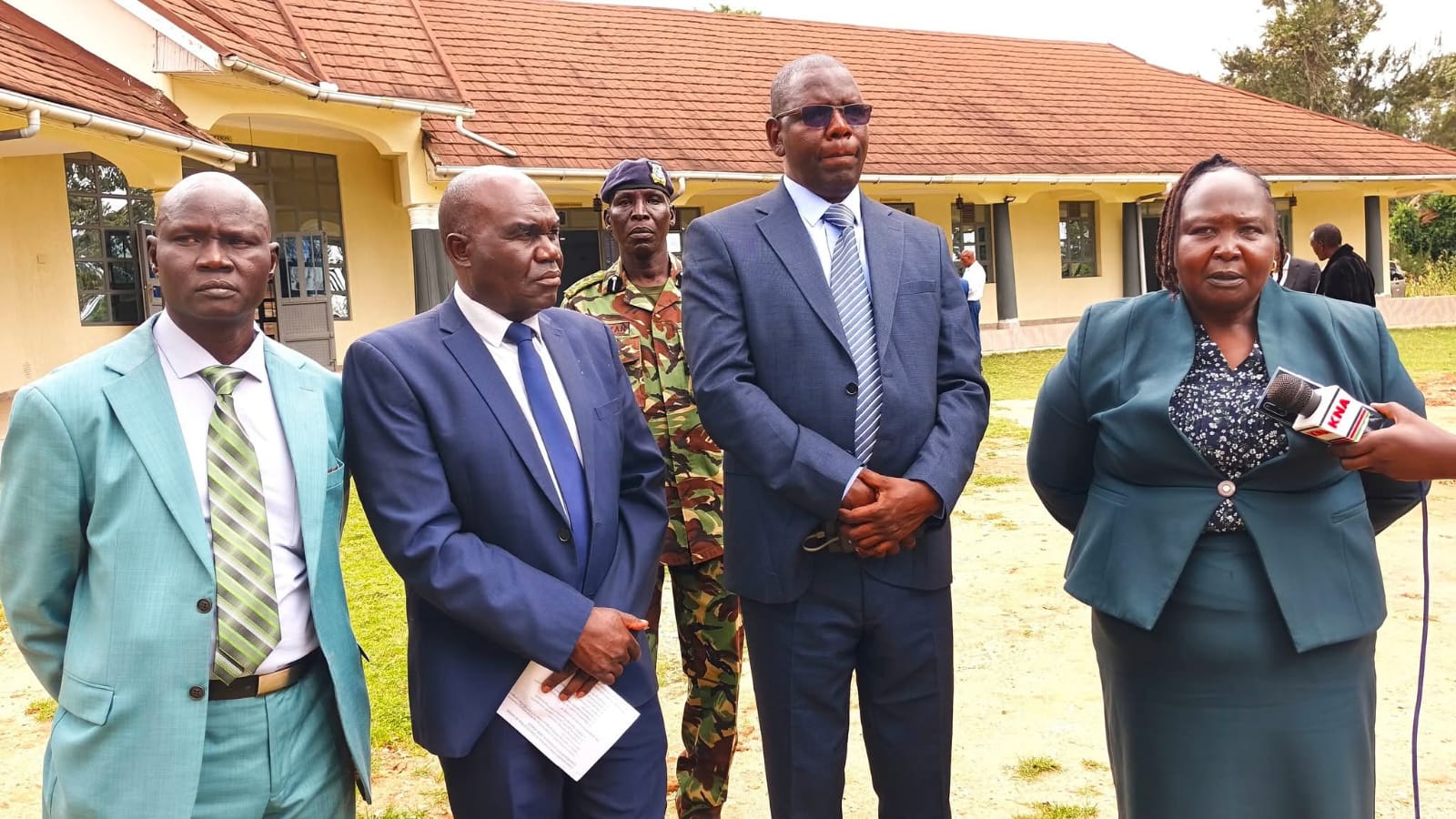
West Pokot County Commissioner David Saruni said the programme comes at a time when the county continues to record low literacy, enrolment, retention and completion rates. “With the literacy levels within the county, this programme will help improve enrolment, retention and completion in our schools, which is very low at the moment, and raise them to the levels of the rest of the country,” Saruni said.
County Director of Education Yophes Magara said the schools would be equipped with classrooms, laboratories, learning resource centres, special learning rooms, water and sanitation facilities, playgrounds and administrative offices. “The main aim of bringing about the model comprehensive schools is to improve education standards among pupils by providing better learning environments and strengthening the education sector,” he said.
ALSO READ:
School in Migori faces imminent closure over low student enrolment
Magara said priority would be given to schools with adequate land, strong catchment areas, growing enrolment and significant distances from existing institutions. Accessibility, security, terrain and the availability of essential services such as water, electricity and internet connectivity will also guide the selection. Schools exposed to flooding, landslides and other safety risks will not qualify.
The consultations brought together education officials, MCAs, community leaders, parents, school boards, teachers’ unions and representatives of vulnerable and marginalised groups.
West Pokot County Executive Committee Member for Education Rebecca Kide said the county would work with the national government to ensure the programme delivers its intended benefits. “Education has no boundaries. We will continue working closely with the national government because our children are the leaders of tomorrow,” she said.
The county government is also pursuing bursaries and expansion of Early Childhood Development Education centres to widen access to education.
ALSO READ: KNEC introduces new 30-candidate rule for 2026 national examination centres
The officials also reviewed preparations for the 2026 national examinations and third-term activities, with Saruni urging schools to prepare learners for safety risks associated with the expected El Niño rains, particularly in areas prone to landslides and river flooding.
By Lizzy Aluga
Get more stories from our website: Education News
To write to us or offer feedback, you can reach us at: editor@educationnews.co.ke
You can also follow our social media pages on Twitter: Education News KE and Facebook: Education News Newspaper for timely updates.
>> Click here to stay up-to-date with trending regional stories