- Adan has argued that the parliamentary process duplicates existing audit mechanisms while draining scarce school funds and instructional time during the exam period.
Why tour the country for an answer the Regional and County school auditors already filed?
In the busiest nine weeks of the school calendar, a growing number of secondary school principals will not be in their schools. They will be in hotel conference rooms, flanked by bursars and accounts clerks, explaining line items from audits reaching back to 2020/21.
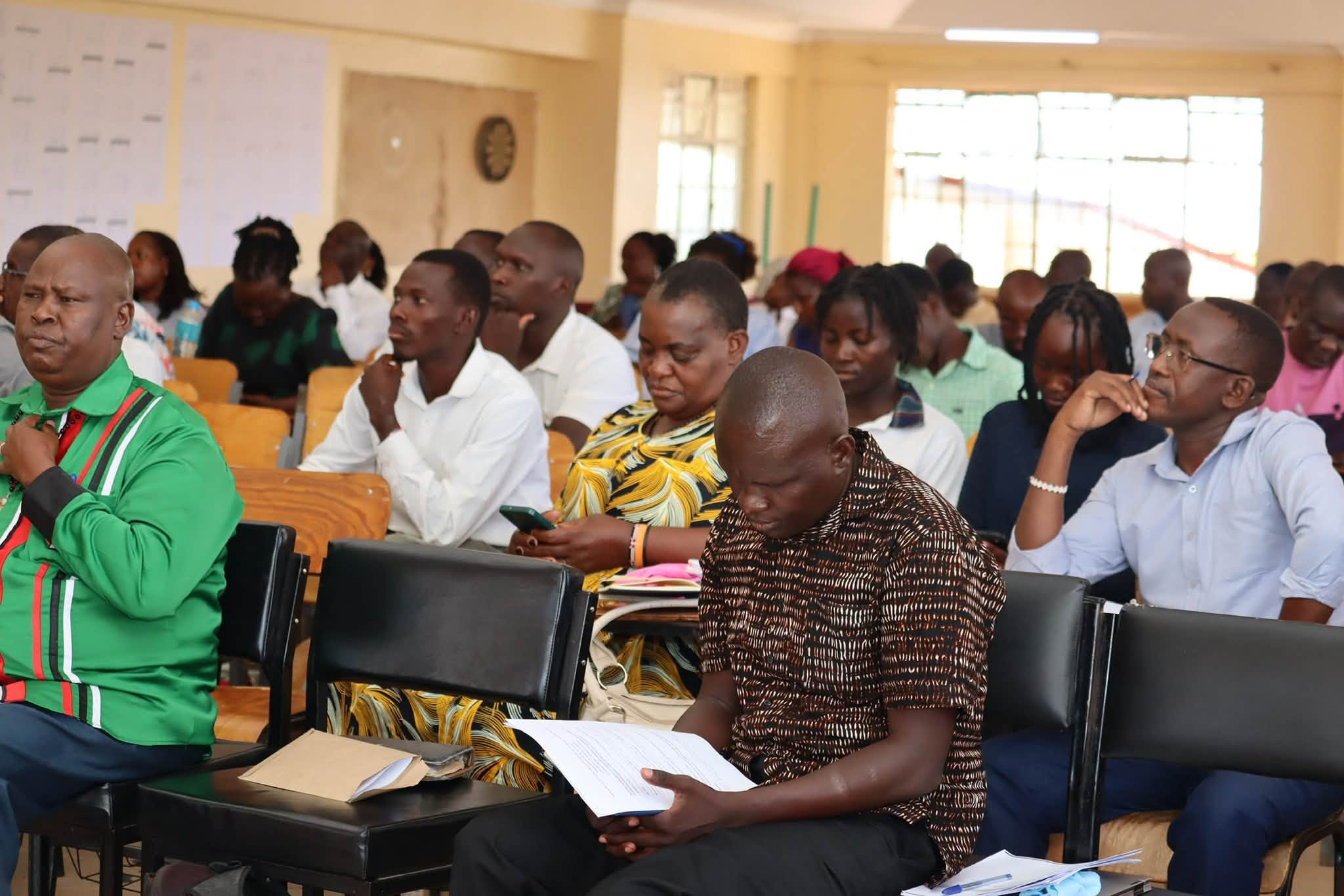
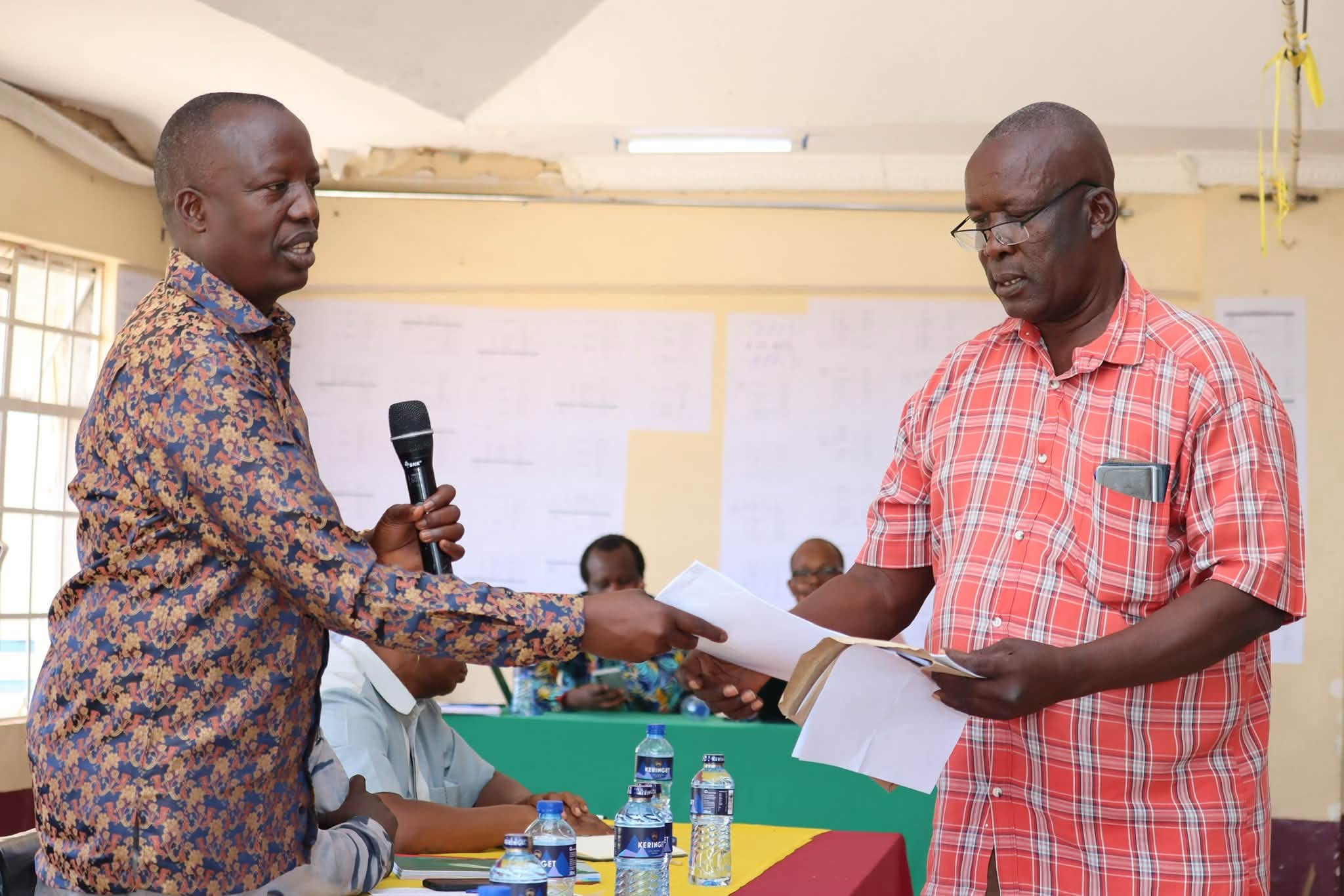
For the first time, heads of public secondary schools are appearing before a parliamentary committee to answer audit queries in person. The National Assembly’s Public Investments Committee on Governance and Education, chaired by Luanda MP Dick Maungu, opened with Cluster One institutions, formerly the national schools. Heads from Maseno, Maranda and Kisumu Girls have appeared; Alliance High, Mang’u and Kenya High have followed. Extra-county, county and day schools are next.
The mandate is not in dispute. The Auditor-General must audit all public entities, and Parliament is the proper destination for those reports. Nor are principals resisting scrutiny: the heads’ association chairman, Willie Kuria, says they are ready to account for every shilling. The objection is to four things: one audit performed twice, the teaching hours it consumes, the money it drains from schools that have none, and a proceeding that ends where it began.
The Duplication Problem
Public schools are not unaudited institutions awaiting discovery. The Ministry of Education runs a school audit function staffed at both levels: a regional school auditor at the regional director’s office, a county school auditor at the county director’s office, and an assistant to the latter. They run routine system audits, advise on internal controls, and file annual reports with school management, the Ministry and the Teachers Service Commission.
That function is active, not ceremonial. A circular dated 13 February 2026 ordered a nationwide audit of 790 public secondary schools for the year ended 30 June 2025: 106 national, 342 extra-county, 217 county and 125 sub-county institutions. The decisive detail is who asked for it. The exercise was undertaken at the request of the Office of the Auditor-General, as part of its own 2024/25 audit plan.
The two audits are therefore not parallel but sequential. Short of manpower to reach thousands of schools, the Auditor-General leaned on the Ministry’s auditors for the fieldwork. So, a principal asked in a Kisumu hotel to explain a finding is explaining one his own county auditor raised, which the Ministry holds, and which his employer was copied into at the time. The country is paying three times to read one set of books.
That repetition is not free, and it is schools that carry its cost. The bill falls on institutions already in distress. A principal does not travel alone; the delegation typically includes the bursar, the finance teacher, the accounts clerk and, in larger schools, the director of studies and the ICT teacher. Their travel comes from accounts that, by the association’s reckoning, hold about Sh14,050 per learner against an approved capitation of Sh22,244. Beyond the 106 national schools lie thousands more.
ALSO READ: Ruto defends new university funding model as government moves to fix disbursement delays
A Poorly Timed Exercise
The timing is harder to defend. A circular dated 3 September 2026 barred prize-givings, thanksgiving events and candidate prayer days for the whole of Third Term, expressly to limit disruption during the examination period. Meanwhile, 3.53 million candidates sit national assessments in October and November, with secondary candidature passing one million for the first time. One arm of the state is clearing principals’ diaries so they can supervise. Another is filling them.
Learner safety settles the point. On 27 May 2026, sixteen students died in a dormitory fire at Utumishi Girls Academy, Gilgil. The Ministry cited congestion and a locked exit, dissolved the board and moved to discipline the principal for failing to meet safety requirements. The state holds the head personally answerable for vigilance on site, yet requires her three counties away for days, in the term when dormitories are fullest.
For all this expenditure, the committee determines nothing. It cannot try, convict or sanction a principal. Its only outcome in an adverse case is a referral to the Teachers Service Commission, returning the file to the desk where the internal audit report was lodged at the outset.
And the Commission’s instrument is not a slow one. Misappropriation and mismanagement of public funds are named offences under the Code of Regulations for Teachers. A head served with an interdiction letter must clear the institution within forty-eight hours, and where financial misconduct is alleged, salary stops entirely rather than the half paid in other cases. Outcomes at hearing run from surcharge against the head’s own salary to suspension and dismissal. Weeks of sittings are spent to reach a process that moves in days.
Nor should the exercise become an occasion for extended sittings in costly venues. The committee has examined school audits at a hotel retreat in Kisumu, and oversight of this kind carries its own bill in travel, accommodation and allowances. Such spending is justified only by what it achieves that a cheaper route could not. To convene in a hotel over findings actionable at the county audit office is to reach, at public expense, a conclusion already sitting in a file.
What Should Change
Education officials have long complained that such referrals stall between the Ministry and the Commission. If that is the real defect, the remedy is to require the Commission to report to Parliament on the action taken against each finding. That is a reporting obligation, not a national tour.
None of this is an argument against scrutiny. Four corrections would keep the oversight and remove the waste. Sequence it: treat internal audit reports as the trigger for employer action, and require the Commission to account for what it did about them. Fix the calendar: no hearings between the opening of Third Term and the close of examinations, and take evidence virtually or at county level. Agree a joint protocol between the Commission and the Ministry, setting binding timelines for action wherever an audit discloses financial mismanagement by a head. And summon the right respondent: where a query arises from a mismatch between capitation disbursed and enrolment on record, the Ministry and the National Treasury should answer for it; where it arises from disciplinary action the Commission was obliged to take and did not, the Commission should answer for the omission.
ALSO READ: Establish an independent office to work with County Education Boards
Oversight is measured not by how many principals a committee can seat in a ballroom, but by what changes afterwards. Where a finding could have produced consequence at the county audit office and did not, the defect lies in the chain of action, not the number of tribunals. Until that is repaired, schools pay twice: once for the audit, and again for the absence of everyone capable of answering it.
By Ibrahim Adan
Get more stories from our website: Education News
To write to us or offer feedback, you can reach us at: editor@educationnews.co.ke
You can also follow our social media pages on Twitter: Education News KE and Facebook: Education News Newspaper for timely updates.
>> Click here to stay up-to-date with trending regional stories