- Mark Otieno Jonyo argues that overlapping quality-assurance roles continue creating confusion within Kenya’s education system.
- He says ongoing Education Bills consultations offer an opportunity to clearly separate institutional responsibilities.
- The 2023 education reform report recommended harmonising quality assurance and transferring TSC’s function to MoE.
As stakeholders continue to engage on the proposed Education Bills, the government has a crucial opportunity to address long-standing institutional overlaps in Kenya’s education sector. The ongoing consultations should go beyond legislative amendments and provide a platform for stakeholders to clarify the mandates of education agencies and eliminate unnecessary duplication.
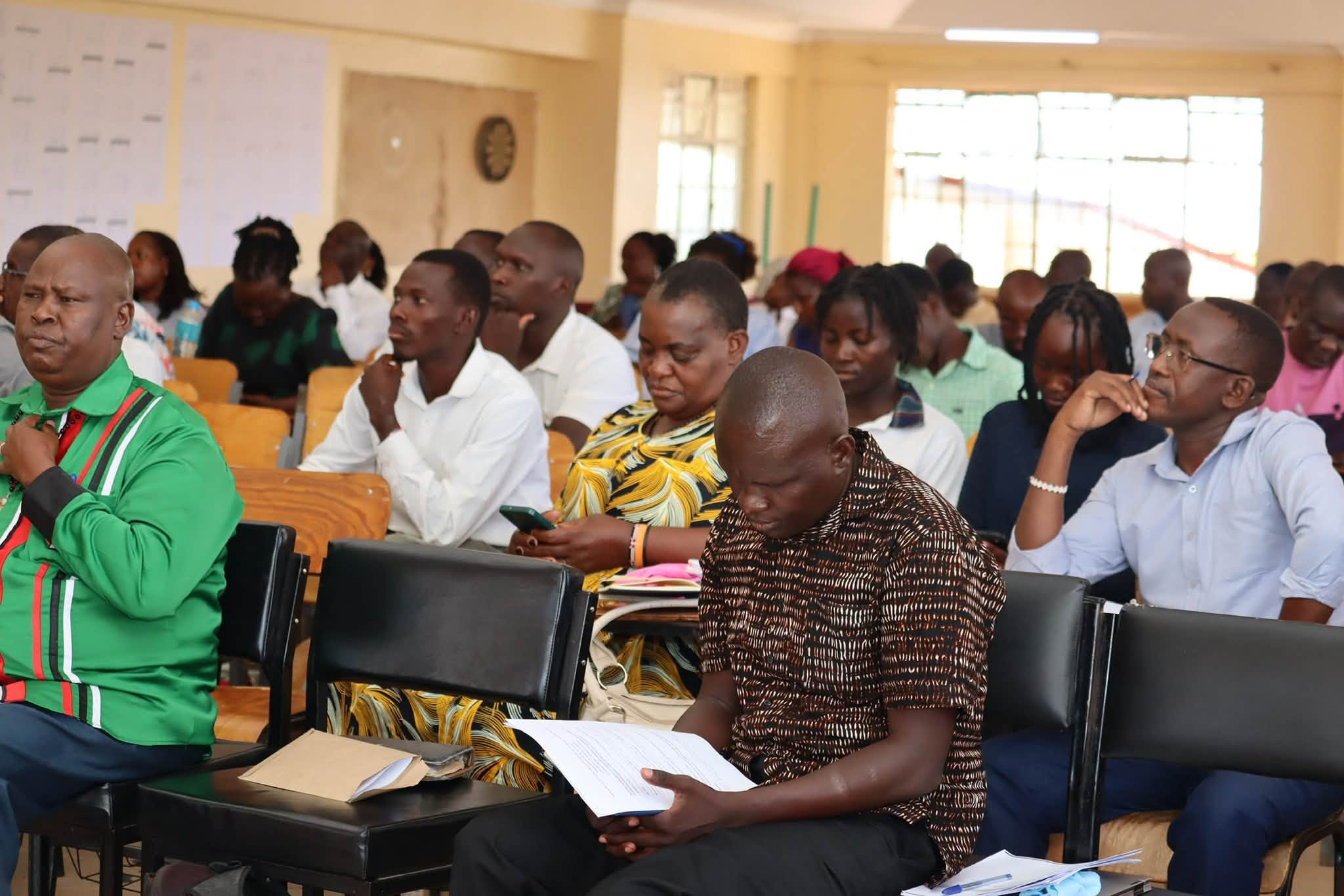
Of particular concern is the overlap between the roles of Quality Assurance and Standards Officers (QASOs) under the Ministry of Education and Curriculum Support Officers (CSOs), alongside quality-assurance structures under the Teachers Service Commission (TSC).
At the school level, the overlap is increasingly difficult to ignore. Both structures are involved in monitoring teaching and learning, supporting teachers, assessing classroom practices, following up on standards and addressing challenges affecting educational outcomes.
While these functions may have different descriptions on paper, their practical implementation can bring different officers into schools to perform activities that are closely related.
This situation raises important questions about efficiency, accountability and the use of public resources. Teachers and school heads should not have to deal with multiple government officers carrying out substantially similar monitoring and support functions without clear distinctions in their mandates.
A fragmented approach can create confusion about who is ultimately responsible for quality assurance and who has the authority to enforce standards.
The issue is not about abolishing oversight or weakening support for teachers. Rather, it is about establishing a coherent system in which every institution and officer has a clearly defined responsibility.
Quality assurance should be independent, professional and properly resourced, while teacher management, professional development and curriculum support should complement that function rather than duplicate it.
The Presidential Working Party on Education Reform recognised this challenge in its 2023 report. The report identified concurrent powers between the Ministry of Education’s Directorate of Quality Assurance and Standards and TSC as a source of jurisdictional conflict.
It recommended harmonising the quality-assurance function in basic education by giving the Ministry’s Quality Assurance and Standards Directorate legal authority to oversee the function and transferring TSC’s Quality Assurance and Standards function to the Ministry of Education. It further recommended that the harmonisation be anchored in law.
Distinguish assurance from professional support
That recommendation should not remain on paper. The ongoing Education Bills process provides an opportunity to translate the Presidential Working Party’s recommendations into a clear legal and institutional framework.
The government and Parliament should define, without ambiguity, which agency is responsible for inspection and quality assurance, which is responsible for teacher management, and how curriculum support and professional development should be coordinated.
There is also a need to distinguish between quality assurance and professional support. A CSO may play an important role in supporting teachers to improve classroom practice, curriculum implementation and professional development.
A QASO, on the other hand, should provide an independent assessment of whether institutions are meeting established education standards. These functions can work together, but their boundaries must be clearly established to prevent duplication.
The solution should therefore not simply be to rename offices or redistribute responsibilities administratively. It should involve a comprehensive review of the mandates, staffing structures, reporting lines and legal responsibilities of the agencies involved.
Where functions overlap, they should be consolidated or clearly separated, with mechanisms for coordination where collaboration is necessary.
Reform should clarify accountability
A streamlined quality-assurance system would also make it easier to hold institutions accountable. When responsibilities are scattered between agencies, it can become difficult to determine who should act when standards are not met.
Clear lines of responsibility would ensure that identified weaknesses are followed up promptly and that schools receive the appropriate professional and institutional support.
The government should therefore move with urgency to fully implement the Presidential Working Party’s report on education reform. The report was intended to provide a roadmap for addressing structural challenges that have affected Kenya’s education system for years.
The Ministry of Education itself has acknowledged that implementation of the Working Party’s recommendations has been ongoing, while Parliament has continued examining structural challenges affecting the education sector.
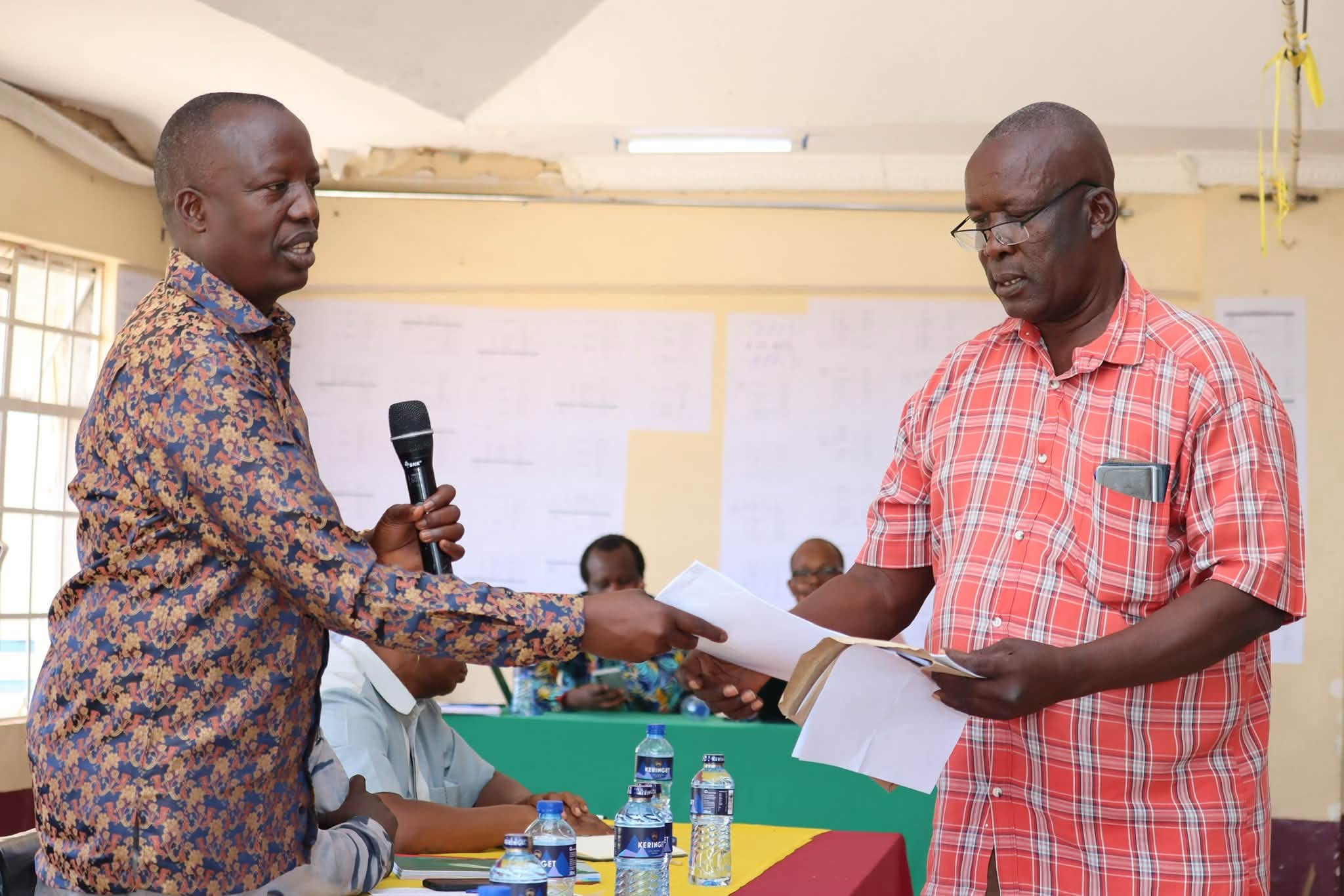
The current stakeholder engagement on the Education Bills should be used to resolve these questions once and for all. Stakeholders — including teachers, school leaders, unions, education professionals, parents and policymakers — should have an opportunity to contribute to a framework that eliminates duplication while strengthening accountability and support for schools.
Kenya needs an education system where every officer understands their mandate, every institution knows which agency is responsible for what, and teachers are supported rather than subjected to unnecessary bureaucratic duplication.
Eliminating the overlap between QASOs and CSOs, while clearly defining their complementary roles where necessary, would be an important step towards a more coherent and effective education system.
READ ALSO: Kenya must re-examine how school audit reports are handled to end costly duplication
The time for prolonged consultations without decisive implementation is over. The government should act on recommendations already made, align the law with the desired institutional structure and ensure education reforms translate into practical improvements in schools.
By Mark Otieno Jonyo
Get more stories from our website: Education News
To write to us or offer feedback, you can reach us at: editor@educationnews.co.ke
You can also follow our social media pages on Twitter: Education News KE and Facebook: Education News Newspaper for timely updates.
>> Click here to stay up-to-date with trending regional stories