- Ashford Kimani examines the often-invisible emotional, financial and practical demands experienced by parents raising autistic children.
- He argues that genuine inclusion must extend beyond the child to caregivers, siblings, schools and workplaces.
- Drawing lessons from a caregiver’s experience, he calls for coordinated support that protects families from isolation and burnout.
Autism is often discussed in terms of diagnosis, therapy, education and developmental milestones. Yet behind every clinical assessment is a family trying to navigate a reality that does not fit neatly into medical forms or school reports. Behind every child with autism is a caregiver whose life may quietly be transformed by responsibilities that continue long after the appointments, therapies and school day are over.
The powerful account published by The Straits Times offers an important reminder: if society wants to understand autism, it must also learn to understand the people who care for autistic children.
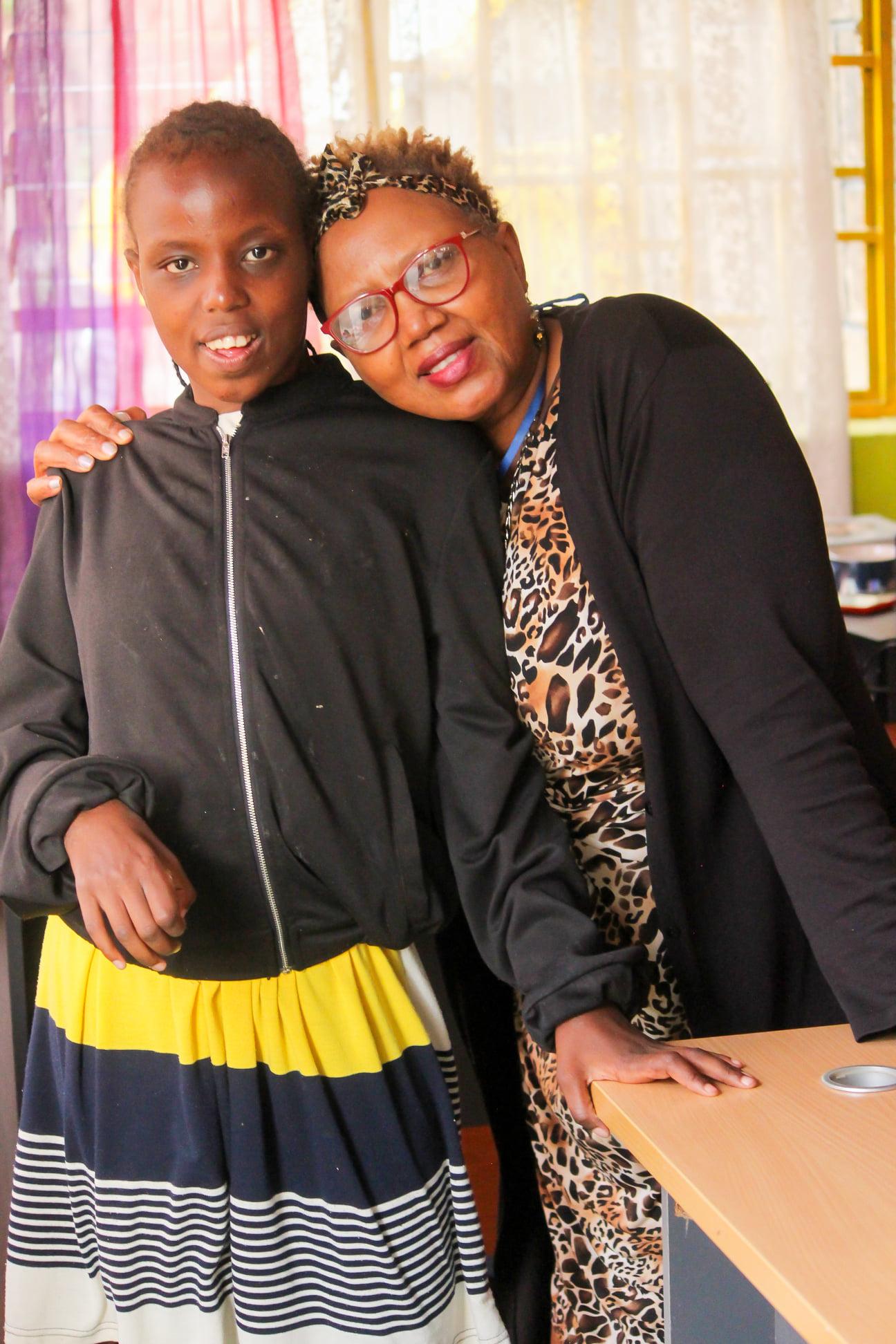
The article about developmental and behavioural paediatrician Lim Hong Huay is particularly compelling because she is not only a doctor but also a mother of three children, two of whom have autism. Her experience exposes the enormous gap between understanding autism professionally and living with it every hour of every day.
When her children were young, she describes having to become, simultaneously, a cook, driver, teacher, therapist, counsellor, advocate, nurse, case manager and mother. Such a list may sound extraordinary, but for many families raising children with significant support needs, it represents ordinary life.
Caregiving is work
This is perhaps the first lesson society must learn: caregiving is work. It is often unpaid, invisible and poorly understood, but it requires time, emotional energy, physical strength, organisation and considerable sacrifice.
A caregiver may spend the morning preparing a child for school, the afternoon attending therapy, the evening supporting homework and communication, and the night worrying about tomorrow. Even apparently simple activities such as eating, dressing, bathing, travelling, sleeping and socialising can require additional assistance.
The emotional burden can be equally heavy. Parents are often expected to remain endlessly patient, positive and resilient, even when they are exhausted. They may have to explain a child’s behaviour repeatedly to teachers, relatives, neighbours and strangers. When an autistic child has a meltdown in a public place, outsiders may see only an unruly child and an incompetent parent. They do not see the hours of preparation, anxiety and emotional regulation taking place behind the scenes.
This misunderstanding creates stigma. Historically, autistic people have often been excluded from ordinary community life, leaving families to confront disability with limited public understanding.
That social invisibility has consequences: people cannot easily understand what they have never been exposed to.
Impact reaches the whole family
The challenge is not confined to the child. Autism can reshape marriages, friendships, careers and relationships within the wider family. Different parents may have different understandings of discipline, education, therapy and the future. Financial pressures can intensify disagreements. Some relationships become stronger; others fracture under the strain.
Lim has previously spoken publicly about the strain that raising children with autism placed on her marriage and the difficult decision to leave her medical career after struggling to balance work and caregiving.
Employment is another major casualty. When caregiving becomes overwhelming, one parent may reduce working hours, reject promotion or leave employment altogether. In many families, this burden falls disproportionately on women.
The result is not simply lost income. It can mean lost professional identity, diminished financial independence, reduced social interaction and anxiety about retirement and the long-term future of the family.
Lessons for inclusive education in Kenya
This issue deserves particular attention in Kenya. As the country expands its commitment to inclusive education and disability rights, conversations must move beyond placing children with disabilities in classrooms.
Inclusion cannot mean merely allowing a child to enter the school gate. It means ensuring appropriate support, trained teachers, accessible learning materials, communication assistance, reasonable accommodations and meaningful participation.
Kenyan schools already face enormous resource constraints. Teachers may have large classes and limited specialised training. Parents may struggle to obtain assessment and therapy services, particularly outside major urban centres. For families in low-income communities, transport, medical expenses, therapy and specialised educational support can become prohibitive.
A child may therefore have a diagnosis but still lack the practical support required to participate fully in education and community life.
There is also a need to recognise caregivers as partners rather than passive recipients of professional advice.
This does not diminish the importance of doctors, therapists or teachers. Instead, it reminds us that professional expertise must be combined with the lived knowledge of families.
Families need coordinated support
Support must therefore become coordinated. Health services, schools, social protection programmes and community organisations should not operate as disconnected islands.
Families should not have to become experts in bureaucracy simply to obtain assistance. A coordinated system could help parents navigate diagnosis, therapy, education, social services and transition into adulthood.
Workplaces also have an important role. Flexible working arrangements can allow caregivers to remain economically active without forcing them to choose between employment and family responsibilities.
Flexible hours, remote work where appropriate and supportive leave policies can make a significant difference. Supporting caregivers is not merely an act of charity; it is economically sensible because retaining experienced employees is better than losing them through preventable burnout.
Most importantly, society must stop treating caregivers as superhuman.
They are allowed to be tired. They are allowed to ask for help. They are allowed to have careers, friendships, ambitions and moments of rest.
The importance of caregiver support is central to Lim’s work. She founded CaringSG in 2020 after her own experiences raising two children with autism and has advocated stronger peer and community support for caregivers.
These are not expressions of weakness. They are survival skills.
The ultimate message is simple but profound: autism does not affect only an individual; it affects relationships, households and communities. If we want children with autism to flourish, we must build systems that enable their caregivers to flourish too.
Walking a mile in their shoes means looking beyond the diagnosis. It means seeing the mother who has barely slept, the father working extra hours to meet therapy costs, the sibling who feels overlooked, the teacher struggling to provide individualised support and the child desperately trying to make sense of a world that may not always understand them.
A compassionate society should not ask families to carry this burden alone. Families, friends, professionals and society as a whole must walk alongside caregivers.
READ ALSO: NTSA issues strict school transport safety rules ahead of reopening
They are not asking for pity. They are asking for understanding, practical support, dignity and the assurance that when they can no longer carry everything themselves, someone will be there to help carry the load.
By Ashford Kimani
Ashford is a teacher of English and Literature and comments on education and social affairs.
Get more stories from our website: Education News
To write to us or offer feedback, you can reach us at: editor@educationnews.co.ke
You can also follow our social media pages on Twitter: Education News KE and Facebook: Education News Newspaper for timely updates.
>>> Click here to stay up-to-date with trending regional stories