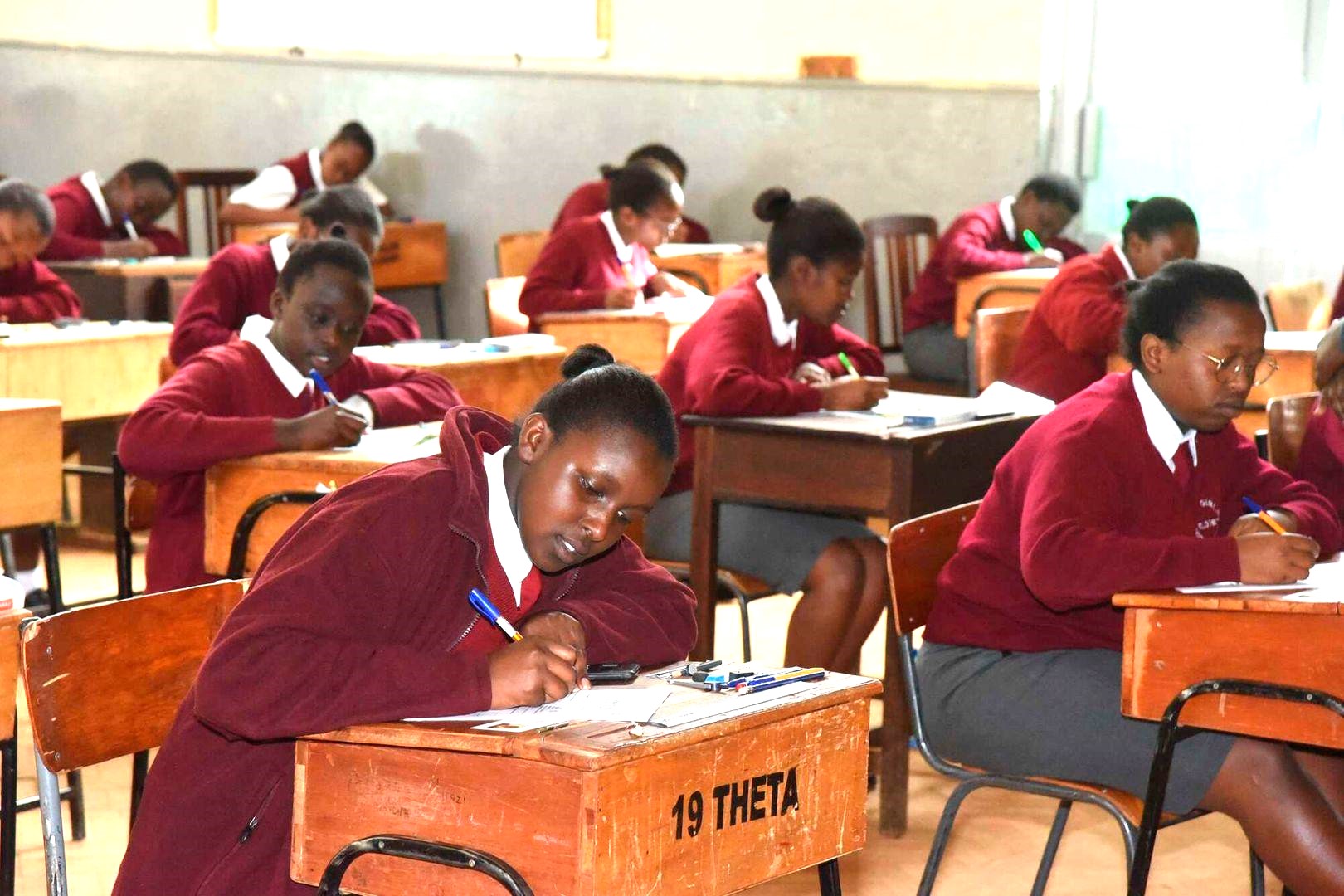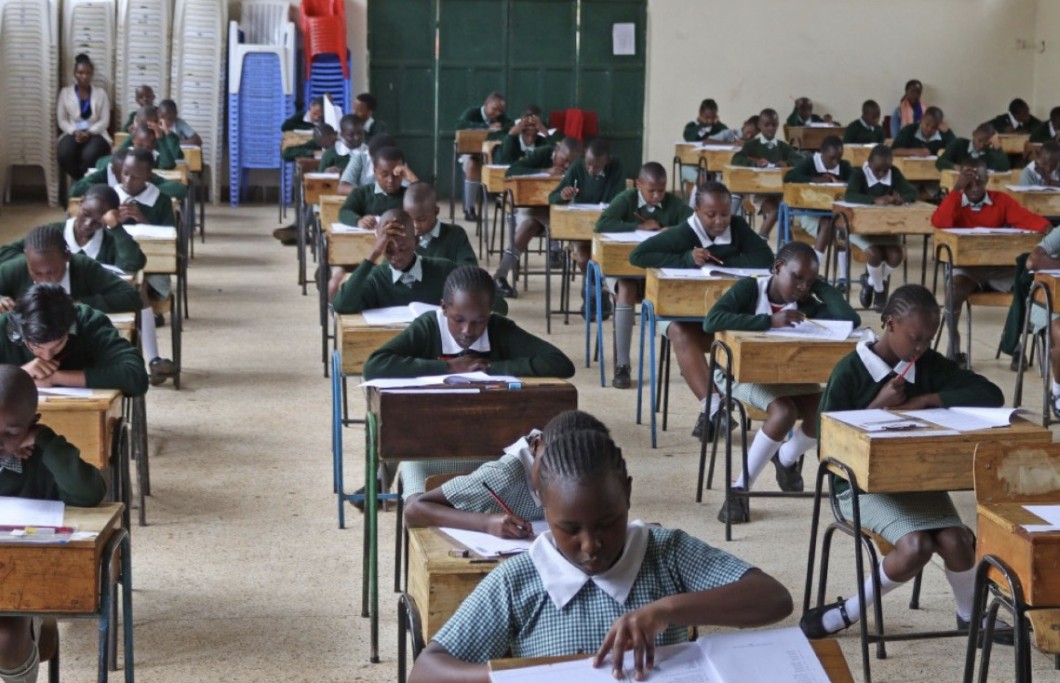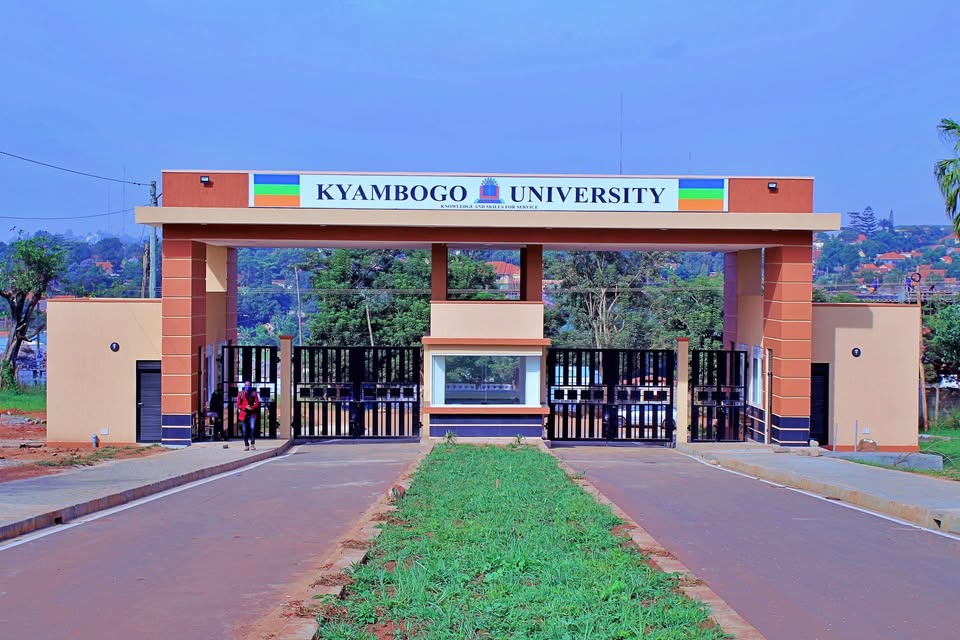
- The university has embarked on an extensive transformation programme that includes retraining academic staff, redesigning degree programmes and overhauling teaching and assessment methods
- The university is also reviewing all academic programmes to ensure graduates possess the knowledge and technical competencies
- The reforms mirror a wider transformation taking place across East Africa
Uganda is entering a new chapter in higher education as Kyambogo University intensifies preparations to receive the country’s first university students educated entirely under the Competency-Based Curriculum (CBC) in the 2027/2028 academic year.
The transition marks one of the most significant reforms in Uganda’s education system, reflecting a growing regional movement towards producing graduates equipped with practical skills, innovation and workplace readiness rather than academic credentials alone.
The university has embarked on an extensive transformation programme that includes retraining academic staff, redesigning degree programmes and overhauling teaching and assessment methods to align with competency-based learning standards. The reforms follow a directive from Uganda’s Ministry of Education and Sports requiring all universities to prepare for the first cohort of Senior Six learners who have progressed through the country’s competency-based secondary education system.
Speaking during a recent press briefing, Vice Chancellor Prof. Elly Katunguka said universities can no longer rely on traditional lecture-based instruction if they are to remain relevant in a rapidly changing global economy. Instead, institutions must embrace learning approaches that emphasise practical application, critical thinking, creativity, collaboration and problem-solving.
To support the transition, Kyambogo has launched an intensive staff capacity-building programme covering competence-based curriculum design, learner-centred teaching, authentic assessment, educational technology, inclusive education and professional ethics. The training is being implemented in phases throughout 2026 and early 2027 to ensure lecturers are fully prepared before the new learners arrive.
The university is also reviewing all academic programmes to ensure graduates possess the knowledge, technical competencies and transferable skills increasingly demanded by employers. University leaders acknowledge that many employers across Africa continue to express concern that graduates often leave university with strong theoretical knowledge but insufficient communication, teamwork, leadership, innovation and practical workplace skills.
ALSO READ:
Kisii University set to host scholars for 23rd CHAKAMA Kiswahili Conference
The reforms mirror a wider transformation taking place across East Africa. Kenya has already transitioned from the Competency-Based Curriculum to the broader Competency-Based Education (CBE) model, with learners expected to progress into universities designed around practical learning, flexible pathways and industry-responsive programmes. Tanzania, Rwanda and several other African countries are similarly strengthening skills-based education to respond to changing labour market needs.
For universities, the shift represents far more than curriculum revision. It demands new teaching philosophies, stronger partnerships with industry, increased investment in laboratories, digital technologies, internships, research and innovation hubs, and assessment systems that evaluate what learners can actually do rather than simply what they can recall during examinations.
Education experts argue that competency-based university education will better prepare graduates for entrepreneurship, self-employment and the digital economy while reducing the long-standing mismatch between university training and labour market expectations.
As Uganda prepares to welcome its first competency-based university entrants, Kyambogo University’s reforms are likely to serve as a model for other institutions across the country. The success of this transition could influence how universities throughout East Africa redesign higher education to produce graduates who are innovative, adaptable and capable of solving real-world challenges.
The coming years will therefore test not only the readiness of universities but also the ability of governments, lecturers, employers and students to embrace a new educational philosophy that places competence, performance and lifelong learning at the centre of higher education.
By Hillary Muhalya
You can also follow our social media pages on Twitter: Education News KE and Facebook: Education News Newspaper for timely updates.
>>> Click here to stay up-to-date with trending regional stories
>>> Click here to read more informed opinions on the country’s education landscape