- President William Ruto has called for education to anchor Kenya’s next national development blueprint beyond Vision 2030.
- He says the country must define measurable learning outcomes that drive innovation, economic growth and shared prosperity.
- The Head of State is urging all Kenyans to help shape an education system that prepares learners for the future.
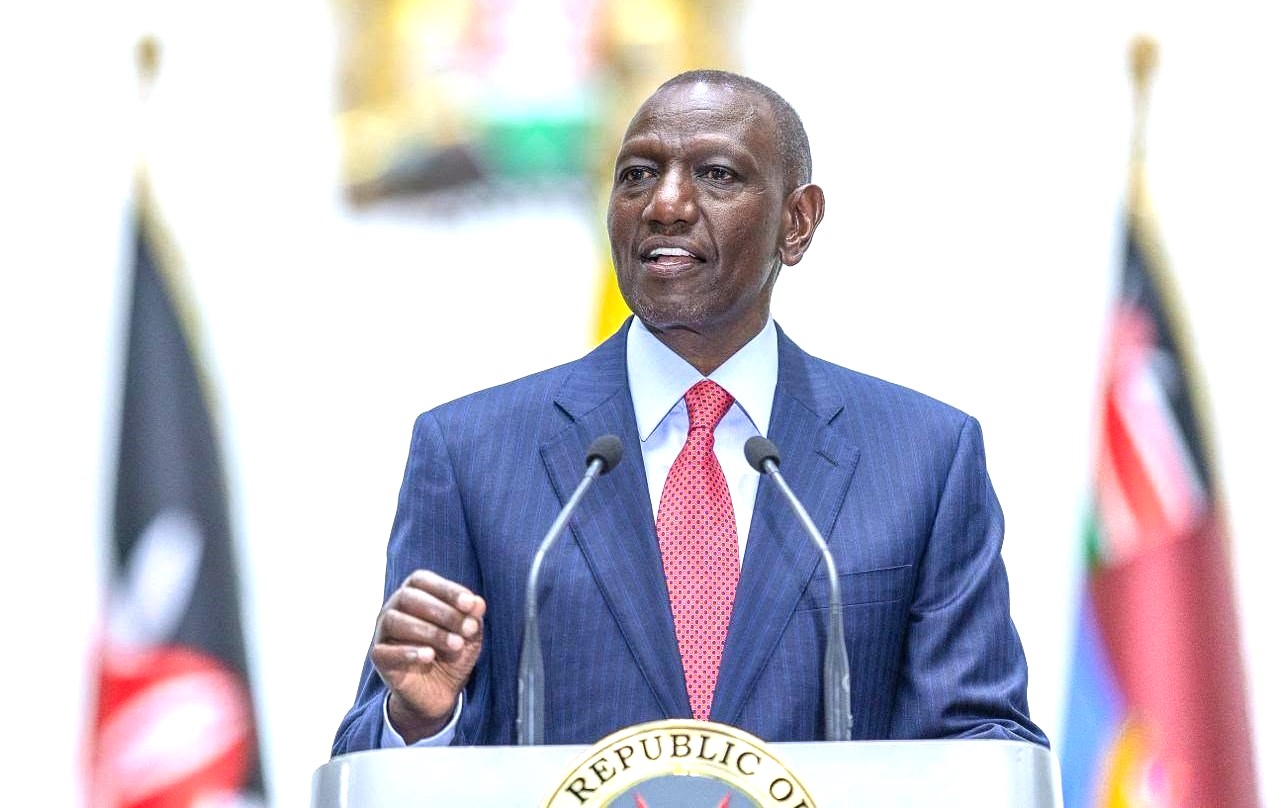
President William Ruto has challenged Kenyans to redefine the future of education, declaring that the country’s next national development blueprint must place learning at the centre of economic transformation, innovation and shared prosperity.
In his Special National Address on the development of Kenya’s new national vision beyond Vision 2030, the President described education as more than a constitutional right, saying it is the foundation upon which the country’s future competitiveness, social progress and economic growth will be built. He urged Kenyans to seize the transition beyond Vision 2030 as an opportunity to create an education system that equips every learner with the knowledge, skills and values needed to thrive in the twenty-first century.
Ruto observed that while Kenya’s Constitution guarantees every citizen the right to education alongside healthcare, housing, food security, clean water and social protection, the country must now move beyond constitutional declarations and focus on delivering measurable outcomes. He said rights become meaningful only when they are translated into tangible improvements in people’s daily lives.
The President challenged the nation to ask difficult but necessary questions about the future of education. What should an education system worthy of Kenya’s constitutional promise look like? How should success be measured? What standards should define quality learning for every child, regardless of where they are born or the circumstances of their family? According to Ruto, these are the questions that should shape Kenya’s next development journey rather than short-term political interests.
He stressed that education reforms cannot be designed by government alone. Instead, he called for a broad national conversation bringing together teachers, learners, parents, universities, researchers, education professionals, innovators, faith-based organisations, civil society, employers and young people. The President said every Kenyan has a stake in shaping an education system that reflects the country’s aspirations and prepares future generations to lead national development.
According to the Head of State, the next national development vision should establish clear benchmarks for educational success. Rather than focusing solely on policy statements, he said the country must define measurable outcomes that demonstrate whether schools are producing knowledgeable, innovative and responsible citizens capable of contributing to Kenya’s development.
Education as a driver of economic growth
Ruto further argued that education must become a powerful engine for industrialisation, innovation and economic competitiveness. As Africa emerges as one of the world’s fastest-growing regions, he said Kenya requires an education system capable of nurturing scientists, engineers, entrepreneurs, researchers, skilled professionals and creative thinkers who can position the country among the continent’s leading economies. He maintained that investment in quality education is ultimately an investment in national prosperity.
The President also underscored the importance of strong institutions in delivering quality education. He said sustainable development depends on institutions that encourage innovation, support enterprise, remove unnecessary barriers and create opportunities for every Kenyan to realise their full potential. Such institutions, he added, are essential for building confidence in the country’s future and ensuring that constitutional aspirations become lived realities.
Beyond education, Ruto explained that the proposed national conversation seeks to translate all constitutional rights into measurable development outcomes. He noted that the same standards applied to education should also guide healthcare, housing, food security, clean water and social protection, creating a comprehensive development charter that remains consistent regardless of changes in political leadership.
He emphasised that Kenya’s next long-term vision is not intended to replace Vision 2030 with another government programme. Instead, it seeks to establish a people-driven national development charter that reflects the collective aspirations of citizens and provides a clear roadmap for the country’s future. According to the President, lasting national transformation can only be achieved when citizens actively participate in defining the country’s priorities and measuring its progress.
As preparations begin for the National Conversation on Kenya’s Future Beyond Vision 2030, Ruto expressed confidence that the country stands at a historic turning point. He said Kenya now has an opportunity to build an education system that unlocks talent, promotes innovation, expands opportunity and empowers every learner to contribute meaningfully to national development.
READ ALSO: Adult learners urged to work hard as 1,058 register for proficiency test in Malindi
The President concluded by urging all Kenyans to participate in shaping a future where education serves as the driving force behind economic growth, social mobility and national unity. He said the ultimate success of the country’s next development vision will be measured by its ability to provide every child with quality education and create a prosperous, inclusive and globally competitive Kenya that leaves no one behind.
By Hillary Muhalya
You can also follow our social media pages on Twitter: Education News KE and Facebook: Education News Newspaper for timely updates.
>>> Click here to stay up-to-date with trending regional stories
>>> Click here to read more informed opinions on the country’s education landscape
>>> Click here to stay ahead with the latest national news.