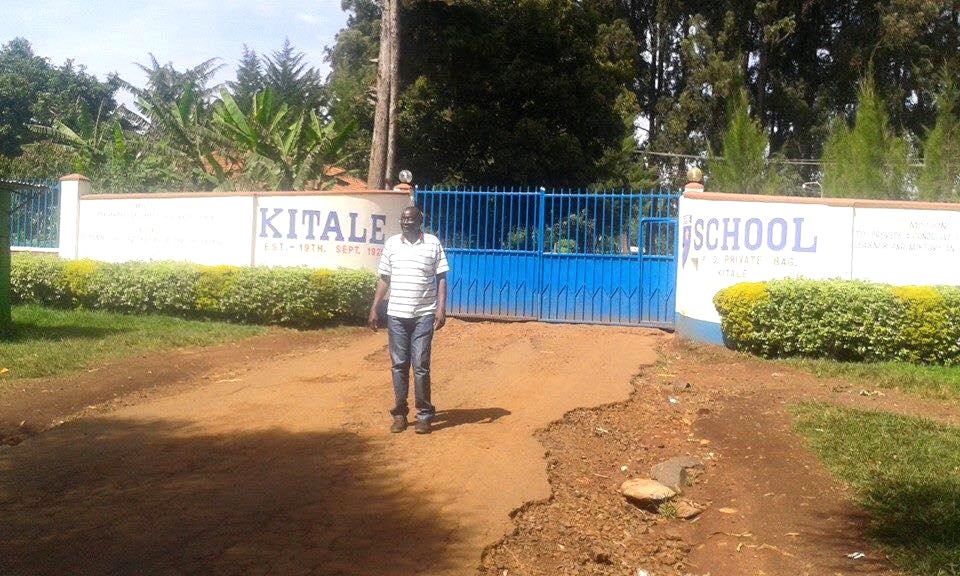
- Three Form Four candidates have reportedly remained out of class for nearly four months following disciplinary action.
- Hillary Muhalya examines the dispute as parents seek court intervention ahead of the approaching KCSE examinations.
- The case raises questions about balancing school discipline, due process and candidates’ continued access to education.
Three Form Four candidates at Kitale School have reportedly spent nearly four months away from the classroom after being suspended, triggering a legal battle by their parents as the Kenya Certificate of Secondary Education (KCSE) examinations draw closer.
The dispute has placed a difficult question at the centre of the case: how should schools balance disciplinary processes with the educational rights and examination preparations of candidates approaching the end of secondary school?
The parents of the three candidates have moved to court seeking orders that would allow their daughters to return to school and resume learning as they prepare for the national examinations.
Their concern is that the prolonged absence has deprived the candidates of valuable classroom time during a particularly critical phase of their secondary education.
For Form Four candidates, the final months before KCSE are normally marked by intensive revision, completion of the curriculum, examinations and consultations with teachers. A prolonged interruption at this stage can therefore have significant implications for a learner’s preparation, although the actual academic impact on the three candidates would require evidence from their teachers and families.
The case has consequently drawn attention beyond the individual dispute, raising broader questions about the handling of disciplinary cases involving candidates who are approaching national examinations.
The disciplinary question
Schools have disciplinary responsibilities, and suspension can arise in certain circumstances under Kenya’s education framework. At the same time, disciplinary action involving learners is expected to follow applicable procedures and safeguard learners’ rights.
In this case, however, the precise allegations that led to the suspension of the three candidates have not been fully established from the publicly available material supplied for this report.
That distinction is important.
The court proceedings provide the forum for determining the competing claims of the parties, rather than allowing allegations circulating outside the courtroom to become accepted as established facts.
The parents, through their legal representation, are seeking the court’s intervention with the stated objective of having the candidates return to school and continue preparing for KCSE.
Advocate Ernest Nyerere, who is representing a party in the proceedings, has reportedly disputed allegations concerning the school’s conduct and referred to directions issued by the court following the hearing.
The precise effect of those directions, and the eventual determination of the dispute, will therefore be central to what happens next.
The reported length of the absence has become one of the most significant aspects of the case.
Nearly four months outside the classroom represents a substantial portion of a Form Four candidate’s final academic year. Even where a learner continues studying independently, the experience is different from being physically present for lessons, revision, continuous assessment, consultations and examination-oriented preparation.
The case therefore places the interests of discipline and uninterrupted education alongside each other.
It also raises a practical question for schools and parents: where a disciplinary dispute involving a candidate remains unresolved for an extended period, what mechanisms should exist to ensure that the learner’s education is not unnecessarily disrupted while due process takes its course?
That question becomes particularly sensitive when national examinations are approaching.
The court now holds the key
For the three Kitale School candidates, the immediate issue is no longer simply a school disciplinary matter. It has entered the judicial process, where the competing positions can be tested and appropriate directions issued.
The parents want their daughters back in school.
The school is entitled to have its disciplinary position considered within the applicable legal and administrative framework.
And the candidates, regardless of the eventual outcome of the underlying dispute, remain learners preparing for a national examination.
The case therefore carries significance beyond the three students. It highlights the delicate intersection between school discipline, procedural fairness, parental responsibility, institutional authority and the right of learners to continue receiving education.
With KCSE preparations entering a crucial phase, the attention of the families and the school is now firmly fixed on the court process and whatever directions emerge from it.
READ ALSO: Nandi stakeholders push for increased TVET funding in proposed education reforms
Until the court makes a determination, the allegations and counter-allegations surrounding the dispute should remain treated as contested rather than established facts.
By Hillary Muhalya
Get more stories from our website: Education News
To write to us or offer feedback, you can reach us at: editor@educationnews.co.ke
You can also follow our social media pages on Twitter: Education News KE and Facebook: Education News Newspaper for timely updates.
>> Click here to stay up-to-date with trending regional stories