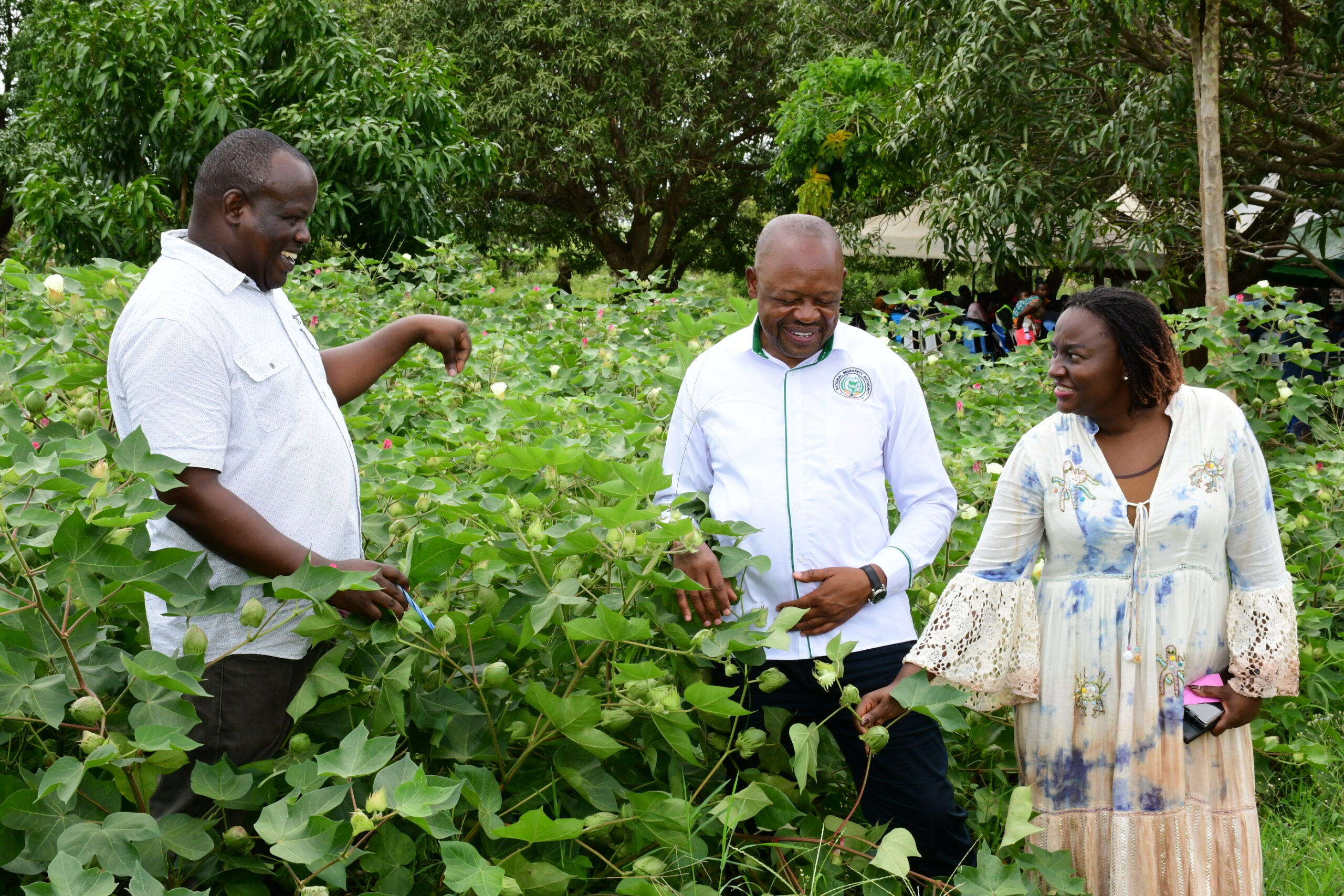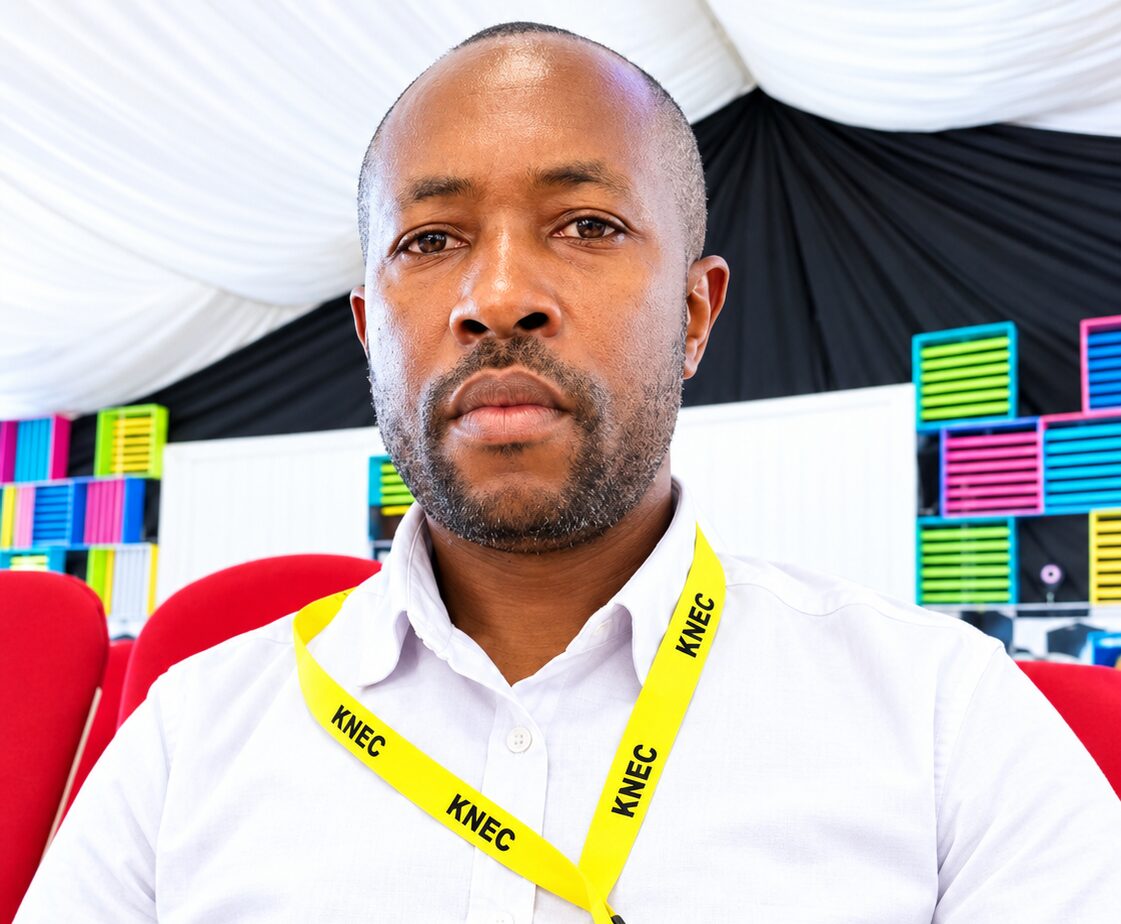
- Education stakeholders in Nandi have called for increased government funding for TVET institutions and their learners.
- They want the proposed tertiary education funding framework to expand access and strengthen practical skills training.
- Stakeholders also presented proposals on school governance, teacher development, learner discipline and co-curricular activities.
Education stakeholders in Nandi County have called for increased government funding for Technical and Vocational Education and Training (TVET) institutions and learners to expand access to skills training.
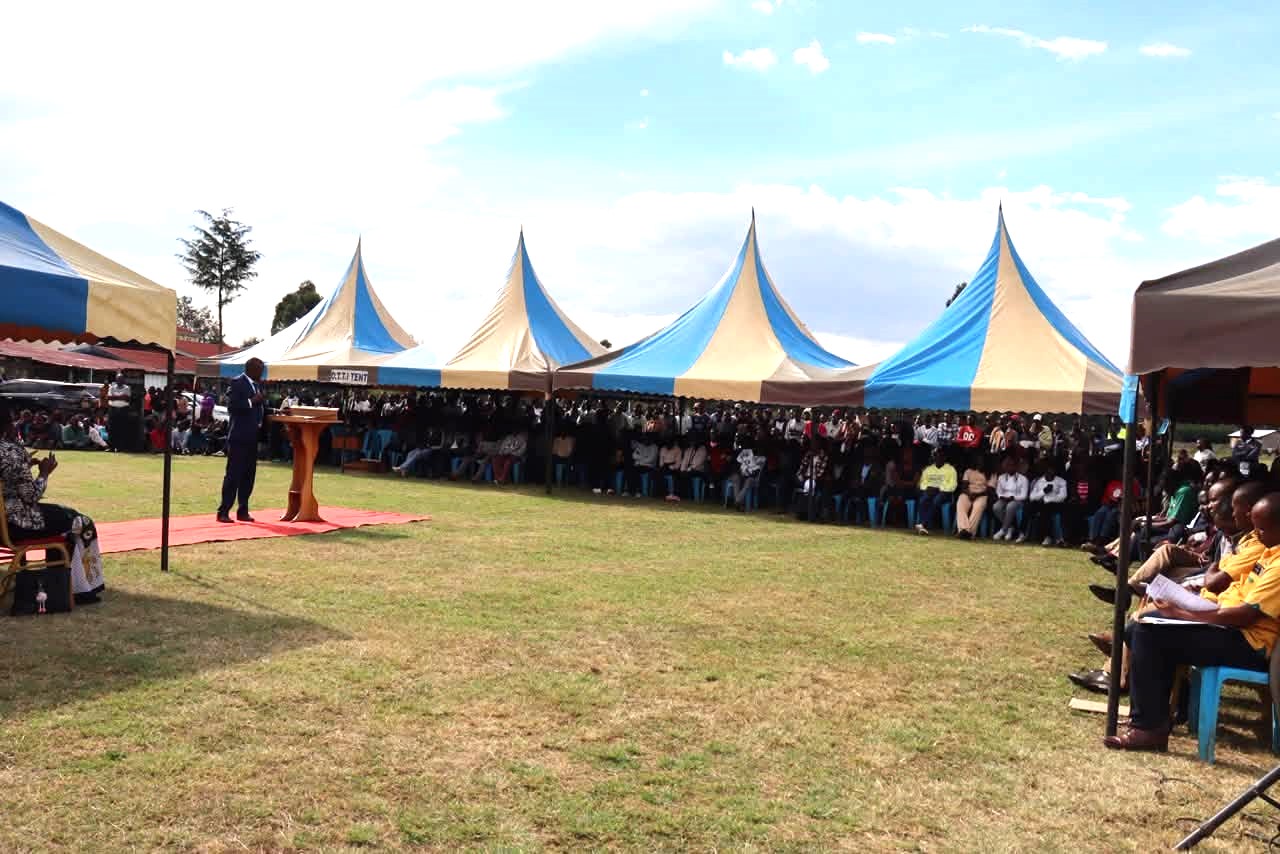
The stakeholders made the call during a public participation forum on proposed education reform Bills held at Ol’lessos Technical Training Institute on Monday.
The National Assembly Departmental Committee on Education and Research, chaired by Tinderet MP Julius Melly, is collecting views from the public and education stakeholders on the proposed reforms. Parliament lists the Tertiary Education, Placement and Funding Bill, 2026, and the Basic Education Bill, 2026, among the education Bills under consideration.
The management of Ol’lessos National Polytechnic urged Parliament to ensure TVET institutions are represented in the governance of the proposed Tertiary Education Funding Authority.
The institution also called for adequate funding to meet operational needs and enable TVET institutions to provide quality skills training.
Student leaders asked the government to establish fair and transparent criteria for allocating financial support to learners. They also proposed affordable interest rates, flexible loan repayment terms and timely disbursement of scholarships and loans.
Vocational Training Centres similarly called for adequate funding under the proposed Tertiary Education, Placement and Funding Bill, saying the institutions play an important role in equipping young people with practical skills.
Stakeholders differ on school governance
Stakeholders also raised concerns over the proposed governance structure for basic education.
The Kenya National Union of Teachers (KNUT) supported the retention of the comprehensive school model, while the Kenya Union of Post Primary Education Teachers (KUPPET) called for distinct administrative and governance structures for different levels of education, including autonomous junior secondary schools.
Teacher development also featured prominently, with stakeholders calling for stronger institutional support for continuous professional development.
The Centre for Mathematics, Science and Technology Education in Africa (CEMASTEA) asked Parliament to formally anchor its role as the institution responsible for in-service teacher training in the Basic Education Bill.
Moi University, meanwhile, proposed that the Kenya Education Management Institute (KEMI) be transformed into the Kenya School of Education within three years.
On learner discipline, stakeholders advocated for stronger guidance and counselling services as an alternative to corporal punishment. KNUT also called for full government funding of co-curricular activities in schools.
The committee received submissions from the Kenya Secondary School Heads Association (KESSHA), Kenya Primary School Heads Association (KEPSHA), Catholic Diocese of Nandi, National Body of Chaplaincy, Mosoriot Teachers Training College, Ol’lessos National Polytechnic, Vocational Training Centres, Parents Association, County Director of Education, Boards of Management representatives and members of the public.
READ ALSO: Why Kenya needs a national framework on university dress codes
The committee said it had taken note of the concerns and recommendations and assured stakeholders that their views would be considered and reflected in its report.
By Adrian Biwott
Get more stories from our website: Education News
To write to us or offer feedback, you can reach us at: editor@educationnews.co.ke
You can also follow our social media pages on Twitter: Education News KE and Facebook: Education News Newspaper for timely updates.
>> Click here to stay up-to-date with trending regional stories