- Education CS Julius Ogamba says 500 teachers will be recruited beyond county allocations.
- Marsabit, Mandera and Isiolo are expected to benefit from the additional teacher recruitment.
- Government is also expanding classrooms, laboratories, school feeding and learning materials in underserved areas.
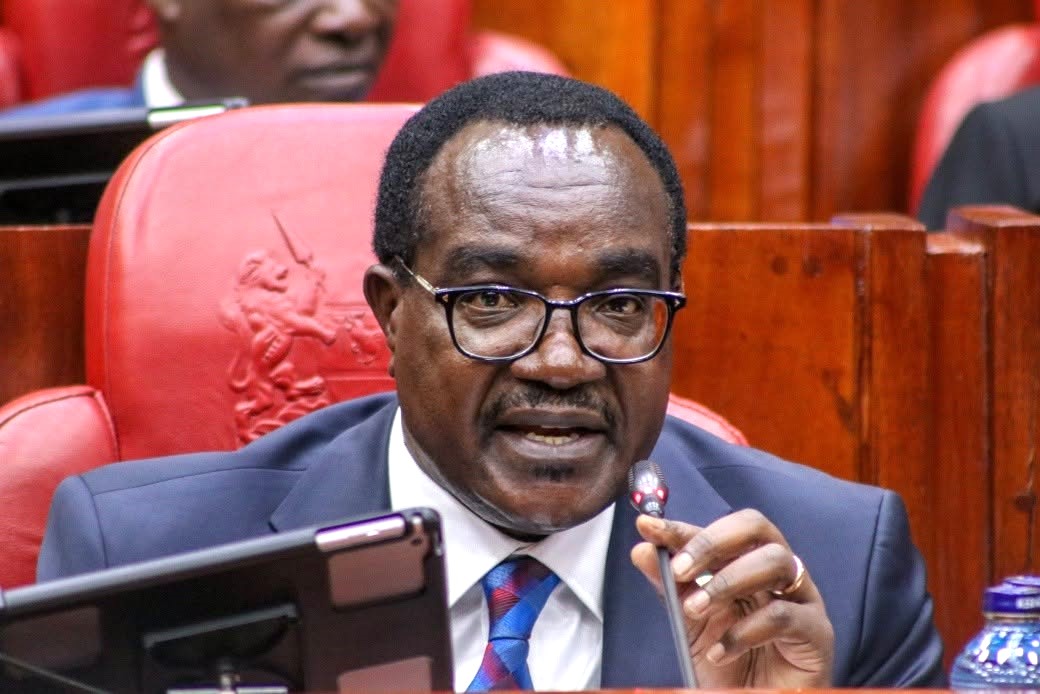
The national government’s commitment to delivering equitable education has received a significant boost following the announcement by Education Cabinet Secretary Julius Ogamba that an additional 500 teachers will be recruited by the Teachers Service Commission (TSC) specifically for marginalised and arid regions, over and above the staffing quotas already allocated to counties.
The announcement, made before the Senate Committee on National Cohesion and Equal Opportunity, underscores the government’s renewed determination to address long-standing disparities in access to quality education across Kenya’s underserved communities, particularly in the remote northern frontier.
Speaking before the committee, CS Ogamba revealed that the extra recruitment will primarily benefit schools in Marsabit, Mandera and Isiolo counties, areas that have for decades grappled with severe teacher shortages, inadequate educational infrastructure and difficult geographical conditions.
The Cabinet Secretary was responding to concerns raised by Nominated Senator Betty Syengo regarding the educational status of the Daasanach community living in Illeret, Marsabit County. The senator sought clarification on the number of public schools serving the community and the interventions being undertaken to improve access to education.
Ogamba acknowledged that communities living in remote regions continue to face unique challenges that require targeted government intervention beyond the conventional teacher allocation formula.
Illeret schools grapple with teacher shortages
One of the government’s key milestones has been the operationalisation of Illeret Sub-County, which became an independent education administrative unit in 2025 after being carved out of the larger North Horr Sub-County. The move has enabled closer supervision of schools and improved coordination of education services through the deployment of a dedicated Sub-County Director of Education.
According to the Ministry of Education, the Daasanach community is currently served by five public learning institutions: Illeret Senior School, Telesgaye Primary and Junior School, Illeret Primary and Junior School, El Boloch Primary School, and Aibete Primary School.
Among these institutions, Illeret Senior School stands out as a landmark investment. Established in 2022, it became the first senior secondary school serving the Daasanach community, significantly reducing the distance learners previously travelled to pursue secondary education. The school currently enrols 96 students and is served by five Teachers Service Commission teachers alongside two Board of Management teachers.
However, despite this progress, staffing levels remain far below the growing enrolment. Ministry data presented before senators painted a concerning picture of overcrowded classrooms and overstretched teachers.
The four primary and junior schools collectively serve nearly 1,500 learners with a relatively small teaching workforce. Telesgaye Primary and Junior School alone has more than one thousand learners but only eight TSC teachers. Similar shortages exist at Illeret Primary and Junior School, El Boloch Primary School and Aibete Primary School, where teachers continue to shoulder enormous workloads while striving to maintain learning standards.
Members of the Senate committee expressed concern that these shortages continue to undermine the constitutional right to quality education for children living in marginalized communities.
Marsabit Senator Mohamed Chute challenged the Ministry to explain what concrete measures were being implemented to address teacher shortages and improve school infrastructure in Illeret, describing the region as one that has historically remained on the periphery of government development.
500 additional teachers planned
In response, Ogamba assured the committee that the government had already embarked on a comprehensive programme aimed at transforming education in the area.
Central to this strategy is President William Ruto’s commitment to recruit an additional 500 teachers beyond the standard county allocations. The Cabinet Secretary said the recruitment is intended to cushion counties experiencing chronic staffing deficits and ensure that learners in remote communities enjoy the same educational opportunities as those in other parts of the country.
Beyond teacher recruitment, the Ministry of Education is implementing several infrastructure projects designed to improve learning conditions.
Construction of new classrooms is ongoing at both Telesgaye Primary School and Illeret Primary School through Ministry of Education funding. At Illeret Senior School, a science laboratory funded by the National Government Affirmative Action Fund is under construction, while an additional laboratory financed by the Ministry is also being developed to strengthen science education.
The government has further committed to sustaining capitation funding for schools, expanding school feeding programmes that enhance learner attendance and retention, and supplying textbooks to ensure every learner has access to learning materials in all core subjects.
Government targets education disparities
Education experts have consistently argued that improving educational outcomes in Kenya’s arid and semi-arid lands requires a combination of adequate teacher deployment, improved infrastructure, reliable school feeding programmes and strong administrative support. The interventions outlined by the Ministry reflect this integrated approach.
The planned recruitment of additional teachers is expected not only to reduce the heavy workload currently borne by teachers but also to improve learner performance, increase school retention rates and support the successful implementation of Competency-Based Education across marginalized regions.
For the Daasanach community, the government’s investments signal growing recognition that education remains the most powerful tool for breaking the cycle of poverty, exclusion and historical marginalization.
As Kenya continues pursuing the constitutional promise of equitable access to education, the success of the initiative will ultimately depend on timely teacher deployment, sustained investment in infrastructure and consistent support for schools operating in some of the country’s most challenging environments.
READ ALSO: KUCCPS guide lists universities offering Bachelor of Education courses for CBE Senior School subjects
The announcement therefore represents more than a staffing exercise—it is a strategic investment in national cohesion, social inclusion and the future of thousands of children whose educational aspirations have long been constrained by geography and limited public resources.
By Hillary Muhalya
You can also follow our social media pages on Twitter: Education News KE and Facebook: Education News Newspaper for timely updates.
>>> Click here to stay up-to-date with trending regional stories
>>> Click here to read more informed opinions on the country’s education landscape