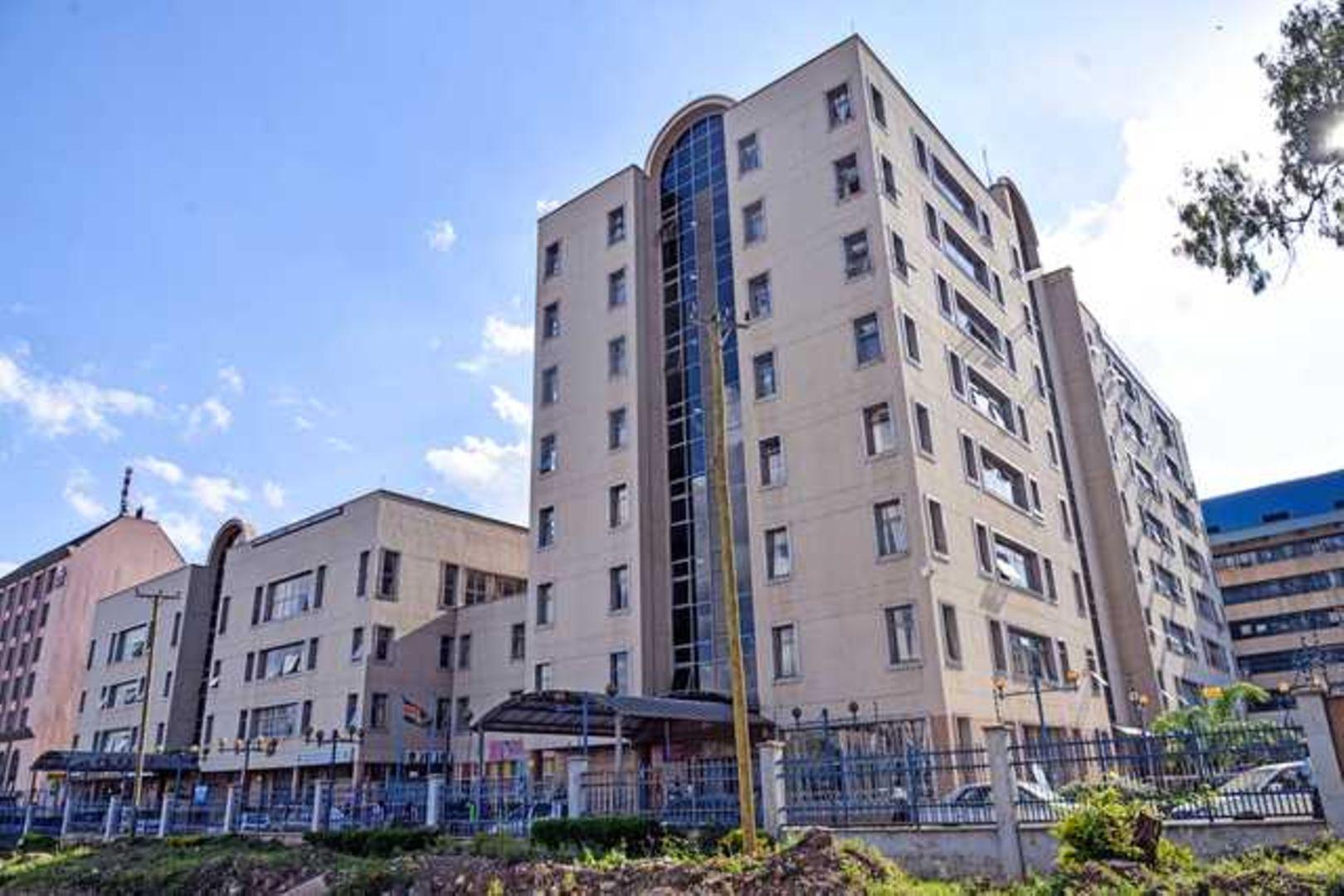
The Teachers Service Commission (TSC) reaffirms its constitutional and professional mandate to manage teacher career progression across the country, ensuring that promotions within the teaching service are conducted in a manner that is fair, transparent, merit-based, and aligned with the evolving demands of Kenya’s education system.
In exercising this mandate, the Commission emphasizes that teacher progression is not merely a matter of tenure or routine advancement, but a structured process designed to safeguard quality leadership in schools and uphold the integrity of the education sector.
Leadership Positions and Competitive Recruitment
Promotion to senior teaching and administrative positions remains a central pillar in strengthening institutional leadership and improving learning outcomes. As schools become increasingly complex environments requiring strong governance, financial accountability, curriculum implementation oversight, and stakeholder engagement, the Commission maintains that leadership roles must be filled by individuals who demonstrate not only classroom excellence but also the capacity to manage institutions effectively. For this reason, positions in Job Grade D1 and above continue to be filled through a competitive recruitment process.
These senior positions include roles such as senior teachers, deputy principals, principals, curriculum support officers, and other key administrative appointments within the education system. The Commission underscores that such positions are not ceremonial advancements but functional leadership roles that demand high levels of competence, sound judgment, professional discipline, and the ability to navigate institutional challenges. The selection process therefore seeks to identify educators best suited to take on expanded responsibilities that extend beyond teaching to include leadership, supervision, planning, and accountability.
Eligibility Requirements for Promotion
To ensure fairness and consistency, the Commission has established clear eligibility requirements that must be met by all applicants seeking promotion. These include possession of the prescribed minimum academic qualifications, satisfactory performance records, and completion of the required period of service in the current job group. These requirements are intended to ensure that candidates progressing to higher roles are adequately prepared for the demands of leadership. The system is designed to reward professionalism, experience, and continuous development within the teaching service.
Whenever promotional vacancies arise, the Commission ensures that they are publicly advertised to guarantee equal access for all qualified teachers. This open advertisement process promotes transparency and provides every eligible educator with an equal opportunity to apply. Teachers who meet the required criteria are invited to submit their applications within the stipulated timelines, after which a structured selection process is initiated.
Interview and Selection Process
Shortlisted candidates are subsequently invited for interviews conducted under strict public service procedures. The interview process is structured, objective, and competency-based. Candidates are assessed across multiple dimensions, including leadership ability, professional achievements, administrative experience, ethical standards, and overall suitability for senior roles. The Commission applies standardized evaluation tools to minimize subjectivity and ensure that selection decisions are based on measurable and comparable criteria.
In undertaking these assessments, TSC places strong emphasis on leadership competence. The Commission recognizes that modern school leadership requires a diverse set of skills beyond academic qualifications alone. Effective school administrators must demonstrate the ability to manage human resources, oversee institutional finances, implement curriculum reforms, resolve conflicts, and engage effectively with parents, communities, and education stakeholders.
Career Progression and Emerging Concerns
At the same time, the Commission acknowledges ongoing discussions within the teaching fraternity regarding career progression and promotional opportunities. While lower job grades benefit from structured progression under the common cadre system, senior administrative positions remain competitive due to their limited number and the critical nature of the responsibilities involved. This structure is intended to balance career growth opportunities with the need to maintain high standards in leadership selection.
The Commission is aware that concerns about career stagnation continue to be raised by teachers across the country. Many educators have expressed frustration over long periods without promotion despite meeting qualification requirements and demonstrating consistent performance. This concern is largely influenced by the limited number of available senior positions relative to the large pool of eligible candidates. As a result, competition for promotional opportunities remains high, and not all qualified applicants can be accommodated at any given time.
TSC also recognizes the emotional and professional significance attached to promotion within the teaching profession. Advancement is widely viewed not only as a financial benefit but also as recognition of years of dedicated service. Teachers invest significant time, effort, and resources in professional development with the expectation that such commitment will translate into career growth. When this expectation is not met within a reasonable timeframe, concerns about motivation and morale may arise.
Ongoing Review of Career Progression Guidelines
In response to these concerns, the Commission continues to review its Career Progression Guidelines (CPG). The objective of these reviews is to enhance efficiency, improve predictability in career advancement, and address legitimate concerns related to stagnation, particularly in lower job groups. The reforms under consideration are aimed at strengthening the balance between structured progression and competitive recruitment, ensuring that teachers experience both career stability and opportunities for advancement.
The Commission maintains that any reforms introduced must uphold the principles of equity, fairness, and institutional integrity. While there is recognition of the need to improve promotional pathways, it is equally important to preserve a system that ensures leadership positions are filled by individuals who have demonstrated capability through a rigorous and transparent selection process.
Commitment to Transparency and Accountability
Transparency remains a cornerstone of the Commission’s promotion framework. TSC is committed to ensuring that all recruitment processes are conducted openly and in accordance with established regulations. Teachers are assured that every advertised vacancy is processed through standardized procedures designed to uphold fairness and accountability. The Commission continues to strengthen communication mechanisms to ensure that applicants are adequately informed about requirements, timelines, and outcomes of promotion exercises.
Aligning Promotions with National Education Goals
The broader objective of the promotion framework is to align teacher career progression with national education goals. By ensuring that leadership positions are occupied by competent and qualified professionals, the Commission contributes directly to improved school management, effective implementation of curriculum reforms, and enhanced learning outcomes for students. Effective leadership remains one of the most critical factors influencing school performance.
At the same time, the Commission acknowledges the importance of motivating teachers at all levels of the profession. A well-structured career progression system plays a key role in sustaining morale, encouraging professional development, and retaining experienced educators within the service. Teachers who see clear pathways for growth are more likely to remain committed, engaged, and productive in their roles.
Balancing Opportunity and Merit
Ultimately, the TSC promotion framework is built on a delicate balance between opportunity and merit. It seeks to ensure that teachers are rewarded for their dedication and professionalism while safeguarding the integrity of leadership appointments through competitive selection. This dual approach reflects the Commission’s commitment to building a strong, accountable, and high-performing education system.
As the Commission continues to refine its policies and implement necessary reforms, it remains guided by the principles of fairness, transparency, and service excellence. Teachers across the country are assured that their career progression remains a priority and that ongoing improvements are intended to create a more responsive, equitable, and effective promotion system.
READ ALSO: MKU alumni, staff and students mentor Kaharo Girls, donate sanitary towels
The Teachers Service Commission therefore reiterates that while the pathway to senior leadership positions remains competitive, it is firmly anchored in merit and integrity. The system is designed not to restrict opportunity, but to ensure that those entrusted with educational leadership are fully equipped to deliver on the expectations of a dynamic and evolving education sector.
By Hillary Muhalya
You can also follow our social media pages on Twitter: Education News KE and Facebook: Education News Newspaper for timely updates.
>>> Click here to stay up-to-date with trending regional stories
>>> Click here to read more informed opinions on the country’s education landscape