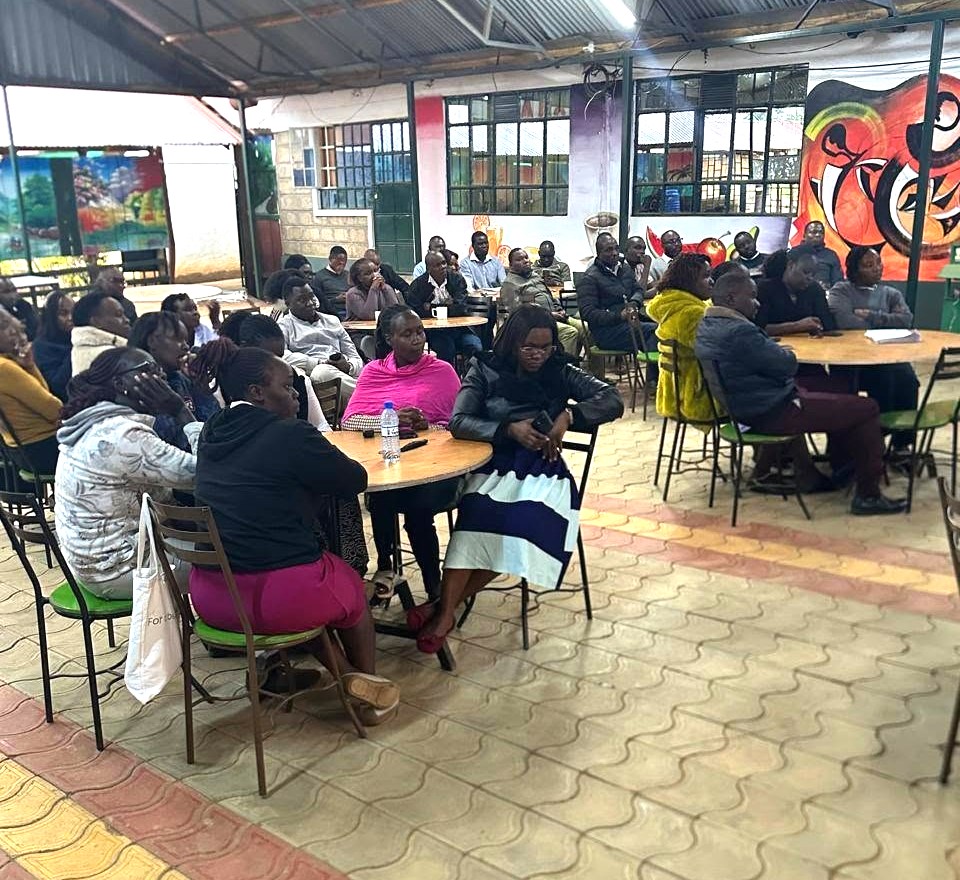
The Teachers Service Commission (TSC) has unveiled a significant enhancement to teachers’ healthcare benefits with the activation of In-Vitro Fertilisation (IVF) services under the Social Health Authority (SHA) Mwalimu Comprehensive Medical Cover.
The announcement marks a major milestone in addressing fertility challenges among educators, offering new hope to thousands of teachers and their families across the country.
The commission confirmed that the IVF services officially took effect on 24th April 2026 and are currently being offered at Nairobi West Hospital, a facility accredited under the SHA scheme.
This development positions the teachers’ medical cover among the few public-sector insurance programs in Kenya that now cater for assisted reproductive treatment, a service that has traditionally remained out of reach for many due to its high cost.
Under the new arrangement, access to IVF services is limited to beneficiaries registered under the Mwalimu Comprehensive Cover. This includes principal members and their legally recognised spouses, provided they meet the medical threshold for infertility.
According to the commission, couples must demonstrate a documented inability to conceive after at least twelve months of regular unprotected intercourse or present a clinical diagnosis from a qualified specialist.

The policy further sets a lifetime cap of two IVF attempts per beneficiary, with an age limit of 41 years for the female partner at the start of treatment.
TSC notes that both primary and secondary infertility cases will be considered eligible, although additional conditions apply in cases where a couple has previously had a child.
All treatment cases must be backed by a formal recommendation from a registered medical specialist, ensuring that only clinically justified cases are approved under the scheme.
The IVF benefit will be financed within the existing inpatient limits of the medical cover, meaning that costs related to treatment cycles, including Frozen Embryo Transfer (FET), will be catered for within the set cap.
Even in cases where treatment cycles are unsuccessful or cancelled due to medical complications, expenses incurred up to that point will still be charged within the benefit limit.
Continued treatment will only proceed as long as the beneficiary remains within the inpatient cap or has not exhausted the maximum number of allowed attempts.
In emphasising quality and safety, the commission stated that all procedures must strictly adhere to national clinical guidelines and will require prior authorisation under SHA protocols. Additionally, reimbursement will only apply to services offered in SHA-contracted and accredited healthcare facilities, a measure aimed at maintaining high standards of care.
The inclusion of IVF services is being seen as a progressive step in recognising infertility as a legitimate medical condition with far-reaching emotional and social implications.
For many teachers, the high cost of assisted reproductive technology has long been a barrier, often forcing couples to forgo treatment altogether.
With this new provision, the commission is not only expanding healthcare access but also addressing a deeply personal challenge affecting many families.
This policy shift also reflects the broader transformation within Kenya’s healthcare system, where specialised treatments are increasingly being integrated into public insurance frameworks.
By incorporating fertility care into the Mwalimu Comprehensive Cover, TSC and SHA are reinforcing their commitment to comprehensive, inclusive, and equitable healthcare for educators.
READ ALSO: Inside the deal that teachers signed with MoH, TSC over medical cover with SHA
As the programme begins implementation, attention will likely turn to how effectively it is rolled out, including accessibility for teachers outside Nairobi and the capacity of accredited facilities to meet potential demand.
Nevertheless, the introduction of IVF services stands out as a landmark decision that underscores the government’s focus on improving the welfare and quality of life for teachers across the country.
By Kithinji Njeru
You can also follow our social media pages on Twitter: Education News KE and Facebook: Education News Newspaper for timely updates.
>>> Click here to stay up-to-date with trending regional stories
>>> Click here to read more informed opinions on the country’s education landscape