Five students from communities surrounding the Tsavo landscape have been selected as the second cohort of the Young Conservation Heroes Scholarship, a program spearheaded by the African Wildlife Foundation (AWF) in partnership with Wildlife Clubs of Kenya (WCK).
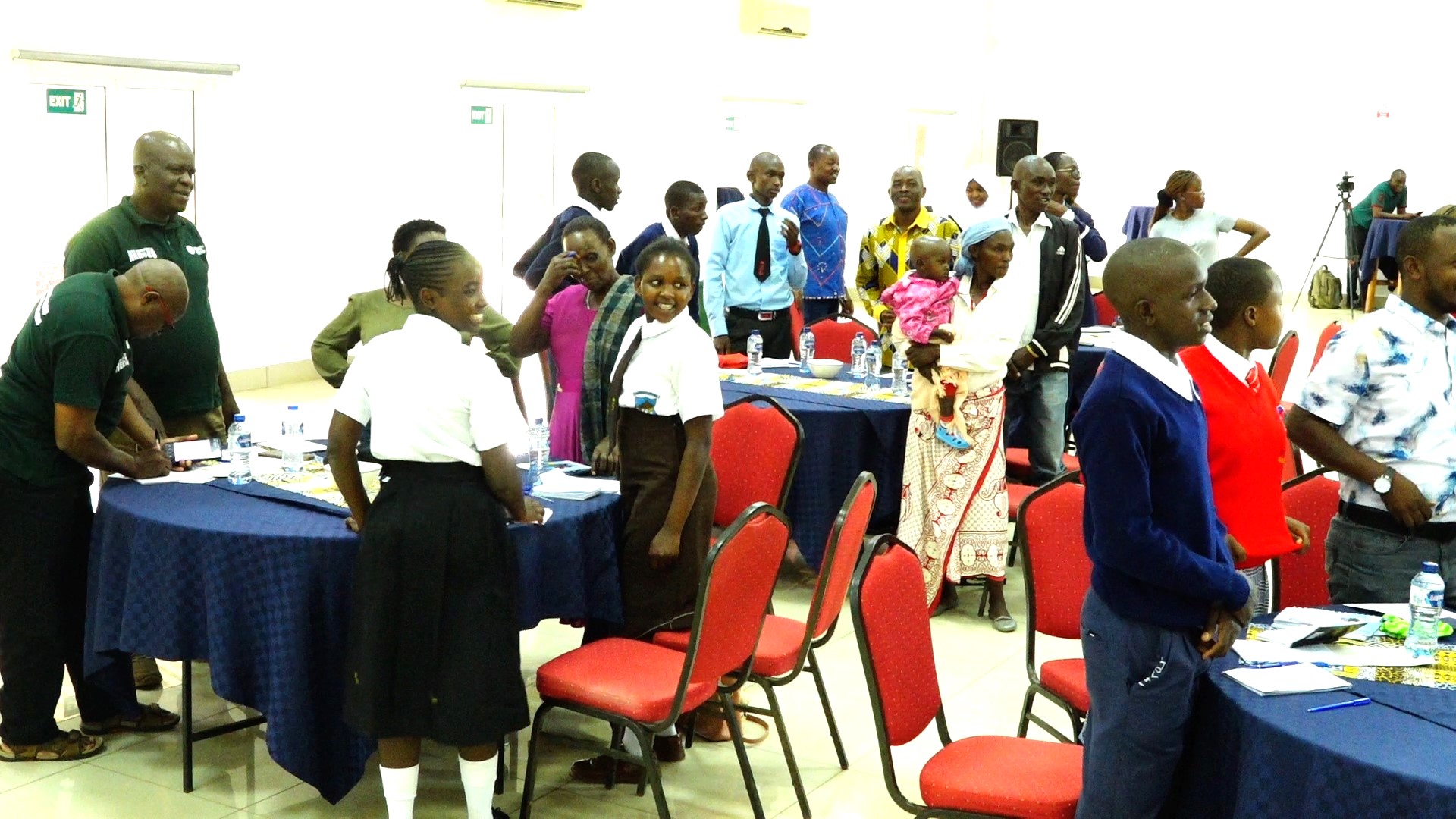
The students were officially unveiled during an awarding ceremony held in Voi on Friday, joining six continuing scholars in a program that provides fully funded secondary education, mentorship, and seed funding support for community-based conservation projects.
The scholarship targets learners from seven counties bordering Tsavo, including Taita Taveta, Tana River, Kitui, Kwale, Kilifi, Makueni, and Kajiado, with a focus on those already engaged in conservation activities through school wildlife clubs.
Speaking during the event, AWF Kenya Country Director Nancy Githaiga said the initiative aims to transform how communities living near wildlife perceive conservation.
“Communities living close to wildlife often experience it as a challenge rather than a benefit due to conflicts and destruction. This program seeks to empower children to become voices of conservation and change that narrative from within,” she said, adding, “We want them to carry conservation values into whatever careers they pursue in the future.”
The Tsavo landscape, which is Kenya’s largest conservation area, is home to significant wildlife populations and critical resources such as water from Mzima Springs, which supplies the coastal region.
Under the scholarship, beneficiaries receive tuition, learning materials, uniforms, and transport support for three years. They also participate in mentorship programs and receive seed funding to implement community-based conservation projects.
Wildlife Clubs of Kenya Conservation Programs Director Dr George Njagi said the initiative is designed to address long-term environmental challenges by investing in youth.
“Climate change and environmental degradation are major concerns globally, and young people have a critical role to play in addressing them. By supporting these students, we are preparing future leaders who will influence conservation policy and practice,” he said.
Dr Njagi stated that these Young Conservation Heroes will also serve as role models for other young people in their communities.
Students selected for the program are already implementing innovative conservation projects. Peace Wawuda from Taita Taveta is using art to promote environmental awareness and reduce plastic waste.
Her project, which involves collecting plastic materials and turning them into artwork, has not only earned her funds but has also helped in reducing plastic pollution as well as educating people about conservation.
“My project involves collecting materials like bottle tops and turning them into artwork that educates people about conservation. It also helps reduce pollution and generate income for school supplies,” she said, further stating that “This scholarship is helping me expand my ideas and improve my education.”
In Tana River, Abdul Rahim is leveraging social media to protect endangered red colobus monkeys.
“I use platforms like social media to create awareness about the threats facing these monkeys, including deforestation and habitat loss. Through videos and posts, I am reaching more young people and encouraging them to care about conservation,” he said.
He said that since joining the program, he has gained confidence and skills that are helping him make a bigger impact.
The program is part of a broader initiative launched in 2024 targeting over 83,000 learners in 137 schools across the Tsavo landscape.
AWF Associate Director for Conservation Education and Youth Leadership Simangele Msweli-Ratsoana said the focus on young people is key to achieving sustainable conservation outcomes.

“Africa has a very young population, and many of them are in school. By empowering them early, we are building a generation that will champion conservation regardless of their career paths. We are already seeing the impact through projects being implemented by the first cohort,” she said.
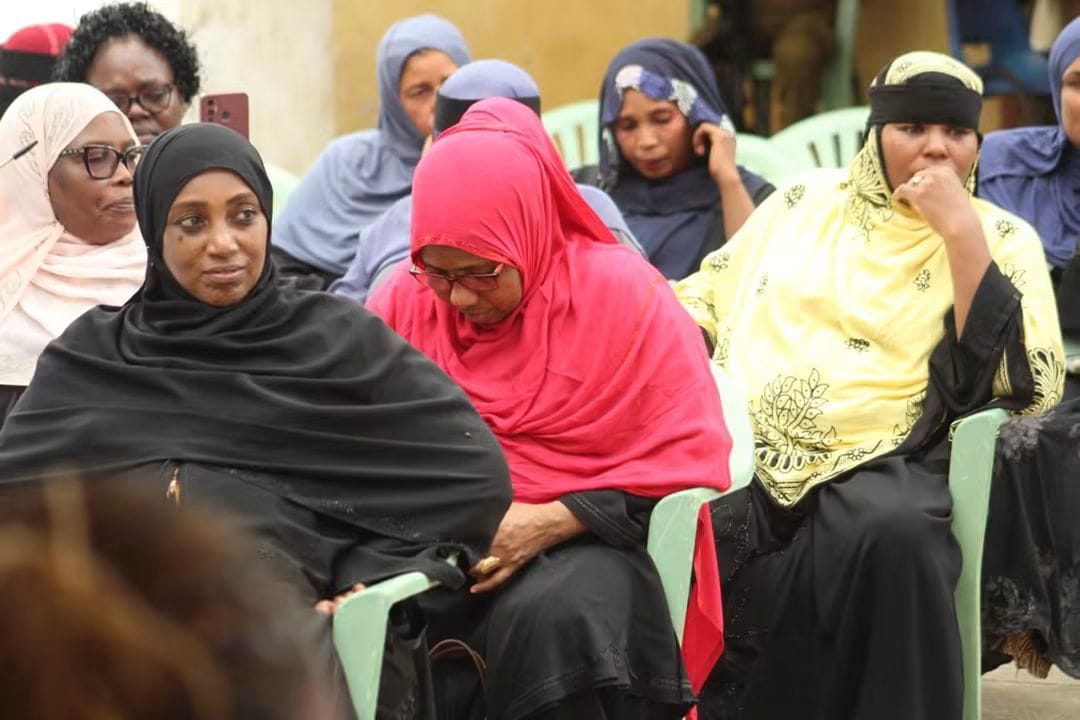
Parents have also welcomed the initiative, noting its potential to address environmental challenges at the community level.
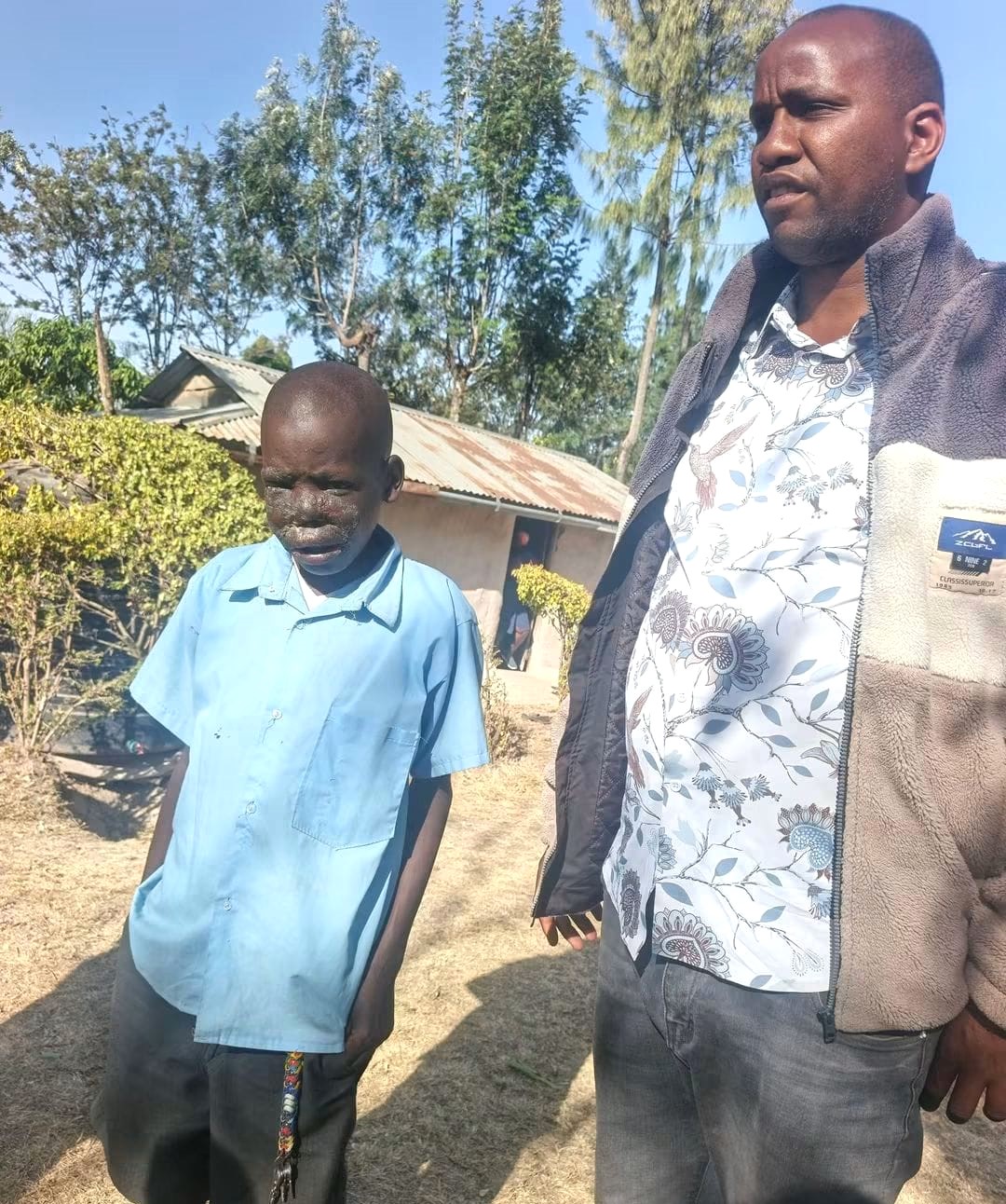
Anthony Sayanga, a parent from Kajiado County, said the scholarship will support his child’s project on tree planting to restore water catchment areas.
READ ALSO: Three students win full scholarships to African Olympiad Academy in Rwanda
“Through this scholarship, my student will plant trees along the river to revive water sources, which will benefit both people and wildlife. When water increases, it will reduce conflicts between humans and animals,” he said.
The organisers expressed optimism that the scholarship will continue to expand its reach and impact, contributing to stronger community engagement in conservation efforts across the Tsavo landscape.
By Michael Oduor
You can also follow our social media pages on Twitter: Education News KE and Facebook: Education News Newspaper for timely updates.
>>> Click here to stay up-to-date with trending regional stories
>>> Click here to read more informed opinions on the country’s education landscape
>>> Click here to stay ahead with the latest national news.